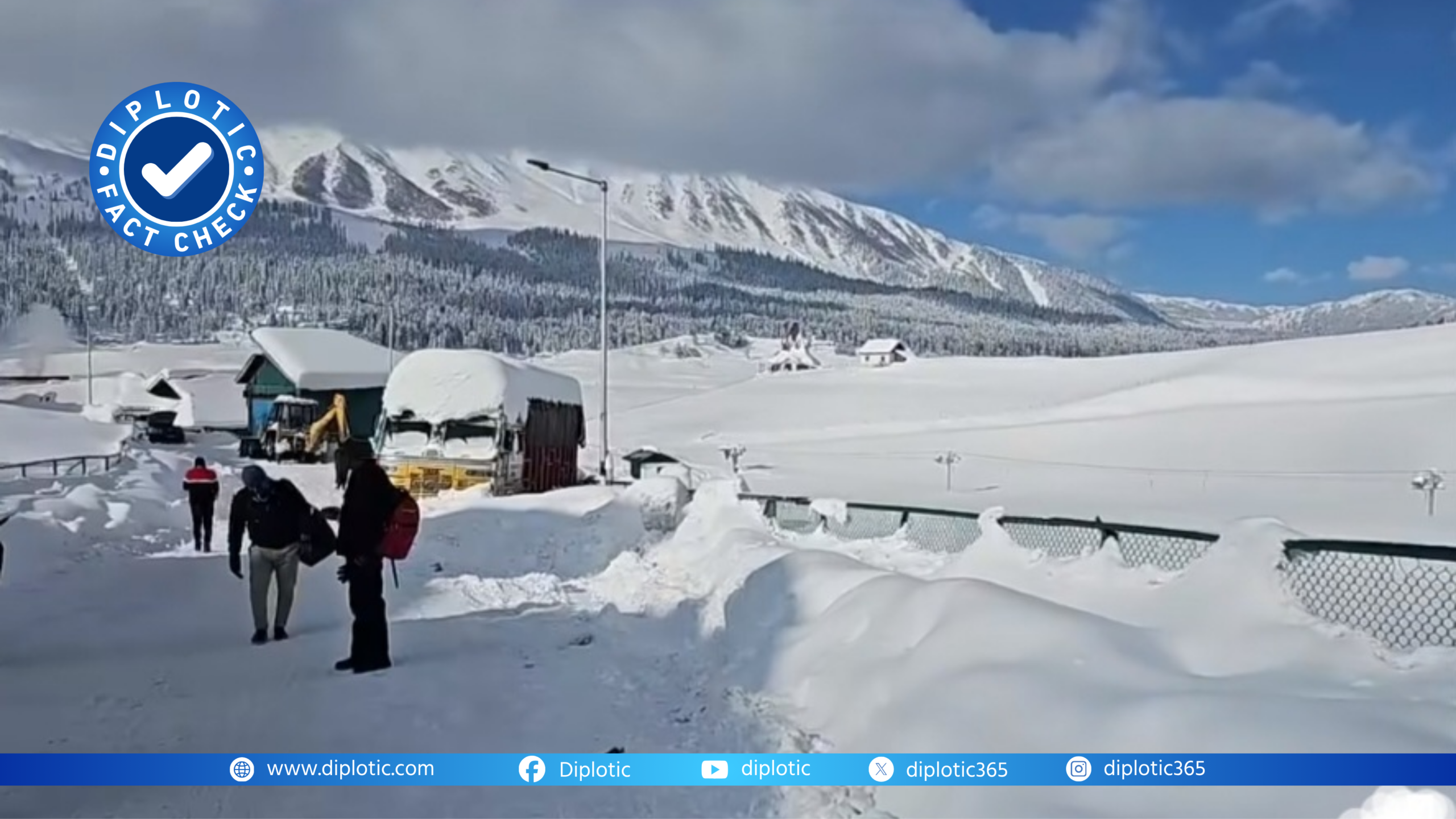
Himachal Pradesh and parts of the western Himalayas experienced fresh snowfall in mid-to-late March 2026, with significant accumulations reported in areas like Manali, Solang Valley, Rohtang, Dalhousie, Keylong, and higher reaches of Lahaul-Spiti and Kinnaur. News reports described heavy snow disrupting travel near the Atal Tunnel, stranding vehicles, and prompting rescue operations. Headlines and social media posts labeled the event as “unexpected,” “off-season,” or even evidence of “abnormal climate collapse,” linking it to broader climate instability.
This matters because extreme weather events in the Himalayas affect tourism, agriculture, transportation, and local livelihoods, while also fueling debates about climate change. Distinguishing between normal seasonal variability, western disturbances, and long-term shifts is essential to avoid alarmism or dismissal of real risks. Historically, snowfall in the western Himalayas peaks from December to February, but late-season snow in March is not unprecedented, especially at higher elevations.
Claim 1: Fresh snowfall in late March 2026 in Himachal Pradesh is highly abnormal and signals climate collapse.
Evaluation: Snowfall in March is often described as “off-season” because the bulk of winter precipitation in the western Himalayas occurs between December and February. However, historical data and meteorological patterns show that March snowfall, particularly in high-altitude areas above 2,500–3,000 meters (e.g., Rohtang, Spiti, upper Manali, Kinnaur), is a recurring feature driven by western disturbances—low-pressure systems that bring moisture and cold air from the Mediterranean region. Reports from March 2026 note moderate to heavy snow in places like Gondla (23.5 cm), Keylong (20 cm), and upper Manali, consistent with active western disturbances. While March snow can feel surprising after warmer days, it is not rare in higher reaches; snow can linger or fall into early April at elevations above 3,000–4,000 meters. Climate change is altering patterns (warmer winters, more rain than snow at lower elevations, shifting precipitation), but a single late-March event does not constitute “collapse.”
Verdict: Misleading. Late March snowfall is off-season at lower elevations but part of normal variability in higher Himalayan areas; it does not indicate climate collapse.
Claim 2: Snowfall in March is completely unusual and has never happened before in Himachal Pradesh.
Evaluation: March snowfall is less common than in peak winter but documented in multiple years. Historical averages for Manali and similar areas show possible snow days into March, especially at higher elevations. Weather records indicate occasional heavy March snow linked to strong western disturbances. In 2026, the event disrupted travel and brought cold snaps, but similar episodes have occurred in past years. Lower-altitude areas like Shimla see March snow less frequently (sometimes none in recent decades), while high passes and valleys regularly experience it. The India Meteorological Department (IMD) issues alerts for such events without labeling them unprecedented.
Verdict: False. March snowfall occurs periodically, particularly in higher altitudes; it is not unprecedented.
Claim 3: The 2026 March snowfall is caused by climate change and represents abnormal collapse.
Evaluation: Western disturbances are the primary meteorological driver behind the 2026 snowfall, bringing cold air and precipitation. Climate change is influencing Himalayan weather: winters are warming overall, snowfall is decreasing at lower elevations while becoming more erratic, and there is a shift toward more intense rain events. Studies note increased avalanche risks from wetter snow and changing precipitation patterns. However, attributing one March snowfall event directly to “climate collapse” oversimplifies. Variability from natural oscillations (e.g., western disturbances) still plays a major role. Long-term trends show reduced winter snowpack in some areas, but late-season events remain possible.
Verdict: Partially True as context. Climate change is altering Himalayan patterns, but this specific event is better explained by seasonal western disturbances than as evidence of collapse.
Claim 4: Headlines calling late March snowfall “abnormal” or “unexpected” are accurate.
Evaluation: Media and social posts often use terms like “unexpected,” “off-season,” or “sudden” because March snowfall contrasts with the transition toward spring at tourist-frequented elevations. These descriptions are reasonable for lower or mid-altitudes where snow is less common by mid-March. However, they can exaggerate when applied broadly without noting that higher Himalayan regions routinely see March snow. The IMD and local reports treat such events as forecastable weather phenomena rather than anomalies signaling systemic collapse.
Verdict: Mostly True as context. The terms reflect public perception and lower-elevation experience but overstate rarity when considering high-altitude norms.
Claim 5: Regardless of exact abnormality, the event highlights genuine concerns about changing Himalayan weather patterns.
Evaluation: Frequent or erratic snowfall/rain events in the shoulder seasons affect tourism, road safety, agriculture, and water resources. Warmer winters and shifting precipitation are documented trends that increase risks like avalanches, flash floods, and reduced snowpack for glaciers and rivers. Public and expert concern is valid: communities in Himachal Pradesh and Uttarakhand face real disruptions from unpredictable weather, even if individual events fall within historical variability.
Verdict: True. The snowfall underscores real challenges from climate variability and long-term shifts in the Himalayas.
Conclusion: Seasonal Variability with Climate Context, Not Collapse
Fresh snowfall in late March 2026 in Himachal Pradesh and parts of the western Himalayas is off-season at popular lower and mid-elevations but remains within the range of normal variability at higher altitudes. It was driven by active western disturbances bringing cold air and moisture, causing temporary travel disruptions and cold snaps. While media descriptions of “unexpected” or “off-season” snowfall are understandable, labeling it “abnormal climate collapse” exaggerates a single weather event.
Climate change is influencing Himalayan patterns—warmer winters, more erratic precipitation, and reduced snow at lower elevations—but this March episode aligns more with known meteorological drivers than with catastrophic collapse. Long-term trends warrant attention and adaptation (better forecasting, infrastructure resilience, sustainable tourism), yet individual late-winter/early-spring snowfalls are not unprecedented.
For residents and visitors, the practical takeaway is preparedness: monitor IMD forecasts, exercise caution on mountain roads, and recognize that Himalayan weather remains highly variable. In the broader picture, this event reminds us of the region’s dynamic climate rather than signaling imminent doom. Accurate context helps separate seasonal surprises from systemic change.