

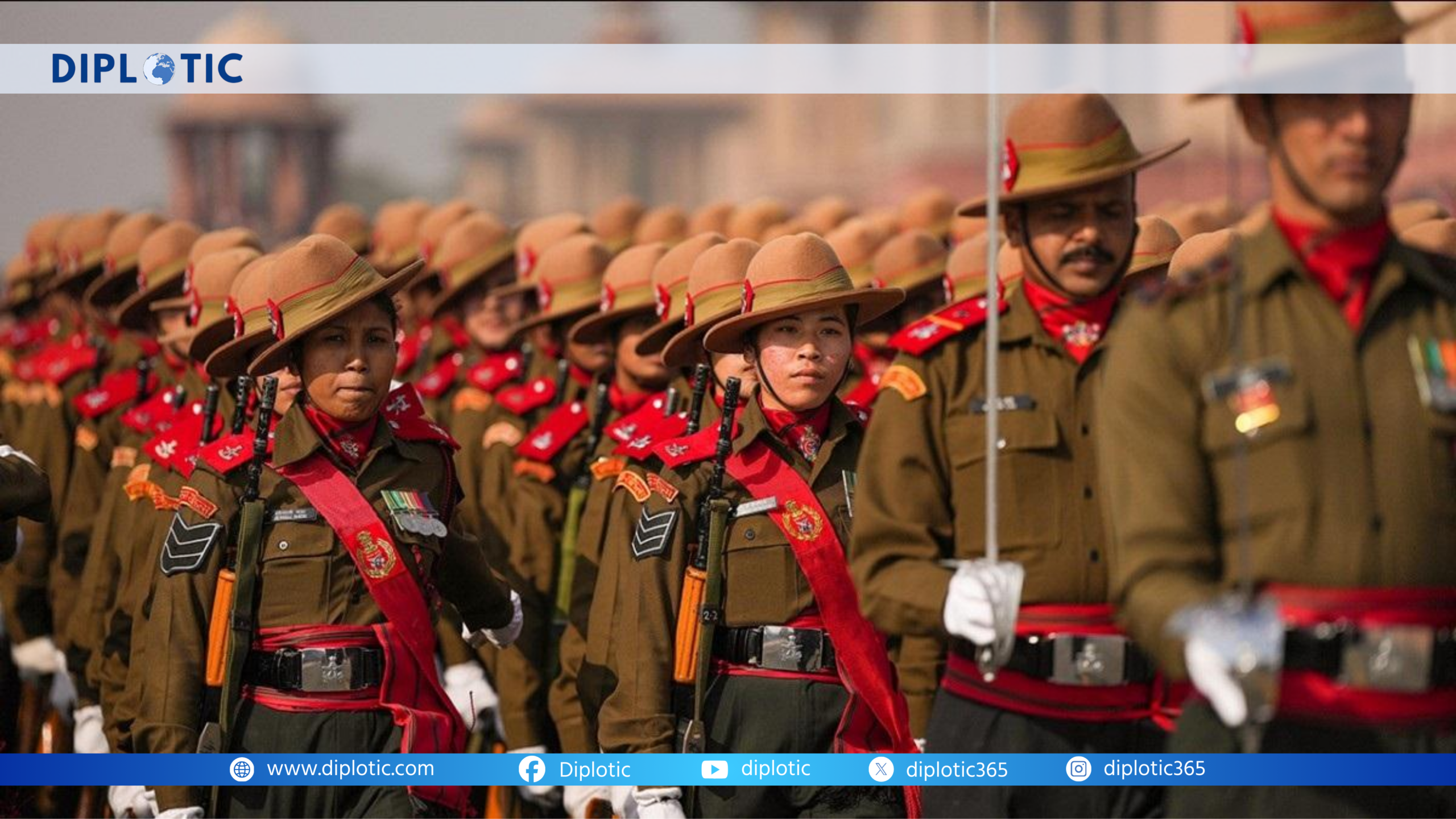
On March 8, 2026, a renewed spotlight fell on the Indian Gorkha community as debates about their identity and belonging resurfaced. Despite their storied contributions to India’s military and cultural fabric, Gorkhas often face slurs like “Nepali” or “foreigner” and are treated as outsiders in civil and administrative settings. From the battlefields of the 1947 Indo-Pakistan War to the 1999 Kargil conflict, Gorkha regiments have earned a reputation as the “bravest of the brave,” with three Param Vir Chakras and numerous other gallantry awards. Yet, at home, they encounter racist epithets and bureaucratic hurdles that question their Indianness. This paradox—celebrated as heroes in war, marginalized as migrants in peace—drives a deeper question: why does the myth of Gorkhas as non-Indians persist, and how can their centuries-old roots in India finally reshape public perception? Their story, rooted in ancient Himalayan history and modern sacrifice, challenges India to confront its own understanding of identity and inclusion.
What Is the Historical Basis for Gorkhas’ Indian Identity?
Gorkhas are not recent arrivals but have deep ties to the Indian subcontinent. Historically part of the Khas people, they lived as farmers, traders, and warriors in the northwestern Himalayas—regions like Kashmir, Himachal Pradesh, and Uttarakhand—long before modern borders. Ancient texts like the Mahabharata, Puranas, and Manusmriti mention the Khas as a formidable Indo-Aryan tribe, often as Vratya Kshatriyas. Their name likely derives from “Go-rakkha” (cow protectors) or the saint-yogi Gorakhnath, who blessed the Gorkha region.
In the 16th century, Dravya Shah founded the Gorkha Kingdom in what is now Nepal. By the 18th century, under Prithvi Narayan Shah, it expanded into Kumaon, Garhwal, and Dehradun. By 1806, Gorkhas controlled areas up to the Sutlej River. The 1814–1816 Anglo-Gorkha War and the Treaty of Sugauli ceded much of this land to the British East India Company. Gorkha inhabitants did not migrate; they were absorbed into British India and later became citizens of independent India. This territorial shift, not migration, places Gorkhas as indigenous to regions like Darjeeling, Sikkim, and Uttarakhand, predating modern notions of “Nepalese” identity.
Why Does the Migrant Myth Persist Despite Gorkha Contributions?
The Gorkha regiments’ valor is legendary. Since 1947, they have fought in every major Indian conflict—Indo-Pakistan wars, the 1962 Sino-Indian War, and Kargil—earning three Param Vir Chakras: Captain Gurbachan Singh Salaria (1961), Major Dhan Singh Thapa (1962), and Lieutenant Manoj Kumar Pandey (1999). Major Durga Malla, the first martyr of the Azad Hind Fauj, died for India’s freedom. Field Marshal Sam Manekshaw praised their fearlessness, yet civil society often fails to match this respect.
Racist slurs like “Chinky,” “Nepali,” or “Chinese” cast Gorkhas as outsiders, ignoring their history. These terms, heard in markets, schools, and offices, escalate into bureaucratic challenges: Gorkhas are asked for extra proof of citizenship, denied land rights, or excluded from local benefits. The confusion stems partly from the 1950 Indo-Nepal Treaty, which allows open borders and work rights for Nepalese citizens in India, leading some to wrongly assume all Gorkhas are Nepalese migrants. Administrative bodies sometimes misapply this, ignoring the distinct identity of Indian Gorkhas.
Political and social ignorance compounds the issue. Unlike other ethnic groups with vocal regional movements, Gorkhas lack unified political clout outside Darjeeling’s Gorkhaland demand. Their dispersed population—across West Bengal, Sikkim, Assam, and Himachal Pradesh—dilutes their voice. Media portrayals often reinforce stereotypes, focusing on their martial image rather than their cultural or historical roots.
How Are Gorkhas and Advocates Pushing Back Against Misconceptions?
Community leaders and scholars are working to reframe the narrative. Articles like Rishi Gurung’s in South Asia Monitor call for “decolonizing” Gorkha history, emphasizing their pre-British presence in India. Gorkha organizations hold cultural festivals showcasing Khas traditions, music, and food to build pride and awareness. Youth groups use social media to share stories of Gorkha soldiers and civilians, countering slurs with facts.
Legal and political efforts are growing. In West Bengal, Gorkha leaders push for better documentation and recognition in state policies. Some advocate amending the Indo-Nepal Treaty to clarify Indian Gorkha status. Public campaigns highlight gallantry awardees and historical figures like Durga Malla to cement their Indianness in the national psyche.
Civil society plays a role too. Schools in Gorkha-heavy areas are starting to teach local history, and NGOs work to combat discrimination. These steps aim to shift perceptions from “perpetual migrants” to integral Indians with a unique Himalayan heritage.
What Could Resolving the Gorkha Identity Crisis Mean for India?
Ending the migrant myth would strengthen India’s pluralistic fabric. Recognizing Gorkhas as indigenous would affirm their right to belong without constant scrutiny, reducing social tensions and bureaucratic barriers. It could also inspire other marginalized groups to assert their histories, enriching India’s diversity.
For Gorkhas, it would mean dignity at home matching their battlefield honor. Access to jobs, land, and services would improve, especially in hill regions. Politically, a clearer identity could unify their voice, giving them leverage in state and national arenas.
Nationally, it would signal India’s commitment to inclusivity. The Gorkha story—ancient roots, modern sacrifice—offers a chance to bridge regional and ethnic divides. Greater awareness could replace slurs with respect, turning a community’s struggle into a shared point of pride.
The Gorkha identity crisis of 2026 connects centuries of history to a modern fight for recognition. From Khas warriors to Param Vir Chakra heroes, Gorkhas have shaped India’s past and present. Yet slurs and skepticism persist, undermining their sacrifices. Efforts to reframe their story—through history, advocacy, and awareness—are gaining ground but need broader support. Resolving this would affirm not just Gorkha Indianness but India’s ability to embrace its diversity. The path forward lies in education, policy clarity, and public empathy, ensuring the “bravest of the brave” are no longer strangers in their own land. As India evolves, the Gorkha story challenges it to live up to its pluralistic promise.




