Introduction
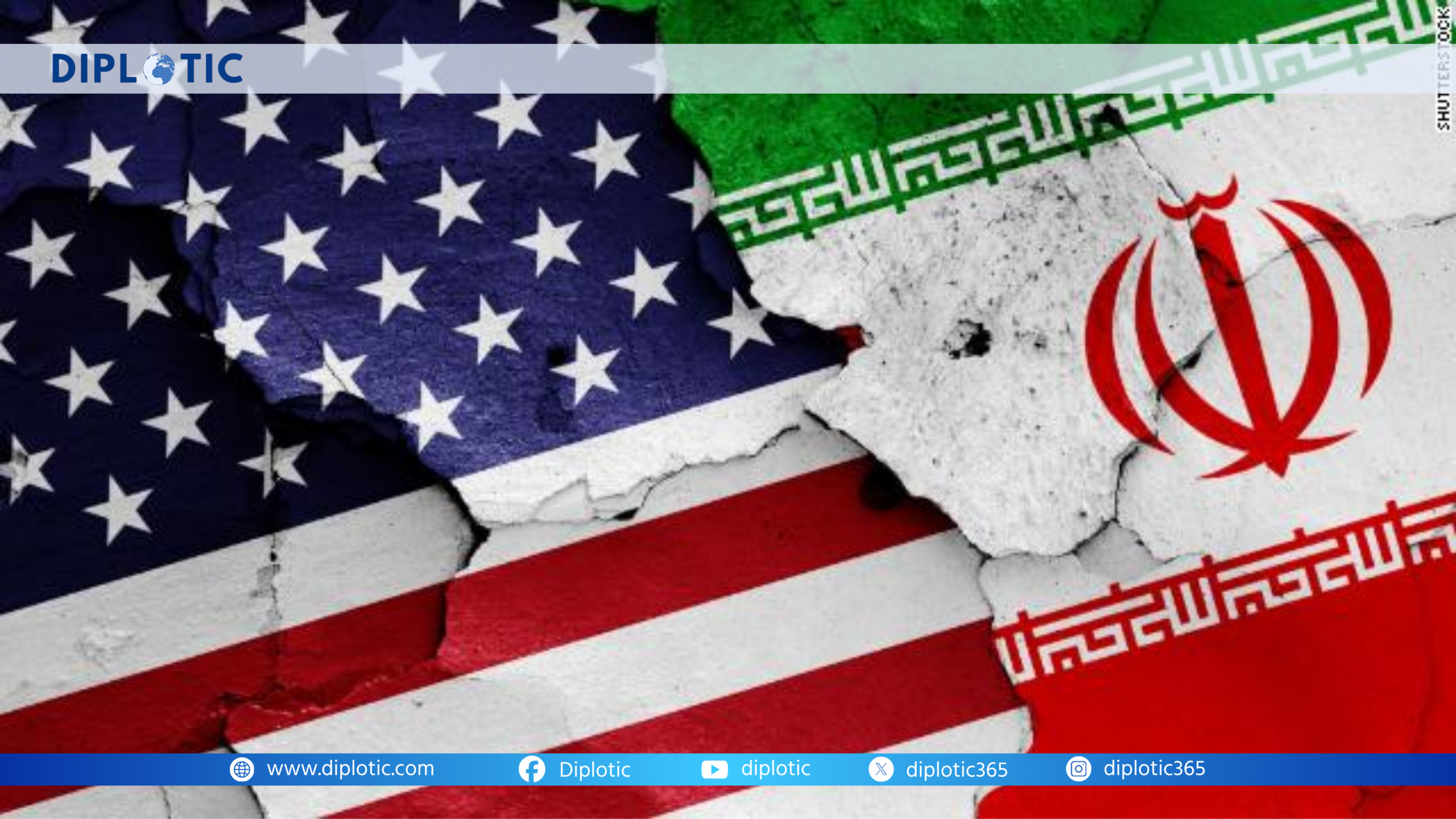
The conflict between the United States and Iran is a central topic in global geopolitics. This enduring friction has a significant impact on global oil price behavior. Theoretically, an analysis of armed conflict and its influence on oil prices reveals a clear link between geopolitical instability and price volatility from both quantitative and qualitative perspectives.
There are twelve primary negative economic effects of armed conflict, including the loss of international trade, increased production costs, rapid currency depreciation, and rampant inflation. Collectively, these factors can cause a significant slowdown in global economic growth in both the short and medium term. Models of armed conflict and oil prices are typically based on cost-benefit analyses, comparative historical data, correlations, and forecasting. In this context, high-intensity armed conflicts in globally vital oil-producing areas, such as the Middle East, have differential effects.
The theoretical framework for modeling armed conflict is based on the analysis of key economic variables such as inflation, production costs, the destruction of resources, consumption, and economic recession. However, the conditional relationship between armed conflict and oil prices often contains ambiguous information from various sources, such as OPEC (2019). For example, a lack of a direct statistical relation does not necessarily imply that armed conflicts have no effect on oil prices, as different conflict characteristics are associated with different market patterns. While armed conflicts are primarily viewed in geopolitical terms, they have profound and long-lasting socio-economic consequences. The conflict between Iran and the US in the Middle East could disrupt global oil supplies, which in turn jeopardizes global growth. Despite these potentially large implications, there has been relatively little formal modeling of the specific relationship between this armed conflict and global oil prices.
Historical Overview of the US-Iran Conflict (1979–2026)
The history of post-revolution Iran can be divided into seven distinct phases:
Phase 1: The Khomeini Decade (1979–1989) In 1979, a seismic Islamic Revolution toppled the absolute monarchy of Shah Mohammad Reza Pahlavi. Since then, Iran has remained a theocratic state ruled by Islamic clerics. During this early phase, supporters of the revolution killed monarchist regime loyalists and took foreigners hostage. Key events included the takeover of the US Embassy in Tehran and the Iran-Iraq War. Following the hostage crisis, US officials declared Iran a “terrorism-supporting country” and viewed it as a major threat to US interests in the Middle East.
Phase 2: The Era of Pragmatism (1989–1997) Under President Akbar Hashemi Rafsanjani, revolutionary extremism cooled noticeably. This period was marked by more secular policies and a focus on religious pragmatism.
Phase 3: The Reform Period (1997–2005) Spanning the presidency of Mohammad Khatami, the government attempted to improve the quality of life for Iranians and repair relations between Iran and the outside world.
Phase 4: International Pressure (2005–2013) During the presidency of Mahmoud Ahmadinejad, the Obama administration led a broad international movement of economic pressure, including heavy sanctions, in a bid to prevent Iran from acquiring the capacity to develop nuclear weapons.
Phase 5: The JCPOA and Re-imposed Sanctions (2013–2021) This phase began with the election of Hassan Rouhani. While the JCPOA (nuclear deal) was initially established, the Trump administration later highlighted perceived shortcomings in the agreement and re-imposed all economic sanctions against Iran.
Phase 6: The Hardline Stance (2021–2024) With Ebrahim Raisi as president, Iran strengthened ties with Russia and China and took a much tougher stance against the US.
Phase 7: The Current Transition (2024–Present) Following the death of Ebrahim Raisi, Acting President Mohammad Mokhber helped stabilize the country until the election of Masoud Pezeshkian. In his reign, Iran has taken strict actions against the US and Israel for what it terms war crimes.
Global Oil Prices and Economic Performance
This section explores the systematic linkages between world oil prices and global economic performance. Akram and Yoshino (2018) documented that the impact of oil prices on economic performance has been an important research topic since the oil price shock of 1973.
The global economy is highly sensitive to oil prices. According to the World Bank, oil price volatility affects economic growth, development, and welfare. Baffes et al. suggest that oil prices affect economic performance and inflation directly through trade, commodity markets, and fiscal/monetary policy responses.
Historical Correlation Data:
- 1973–1975: As a result of the 1973 oil shock, oil prices pushed up by 157.05%. Consequently, global economic growth fell from 6.57% in 1973 to 0.75% in 1975.
- 1988: When oil prices fell to approximately $14.87 per barrel, the global economy grew by 4.63%—the fastest pace since 1980.
- 1990: When oil prices rose again, global growth slowed to 2.92%.
- 2002–2008: Sanchez (2011) demonstrated that higher oil prices during this period reduced the growth of oil-importing countries by as much as 2–3%.
Conclusion
Studies suggest that oil prices are a determinant of long-run global economic performance. Higher oil prices adversely affect production and contribute to inflation in oil-importing countries. Conversely, they bring significant improvements to the export performance and government budget revenues of oil-exporting countries. While harmful to importers, higher prices boost exports and government spending in exporting nations, leading to higher GDP in those specific regions.