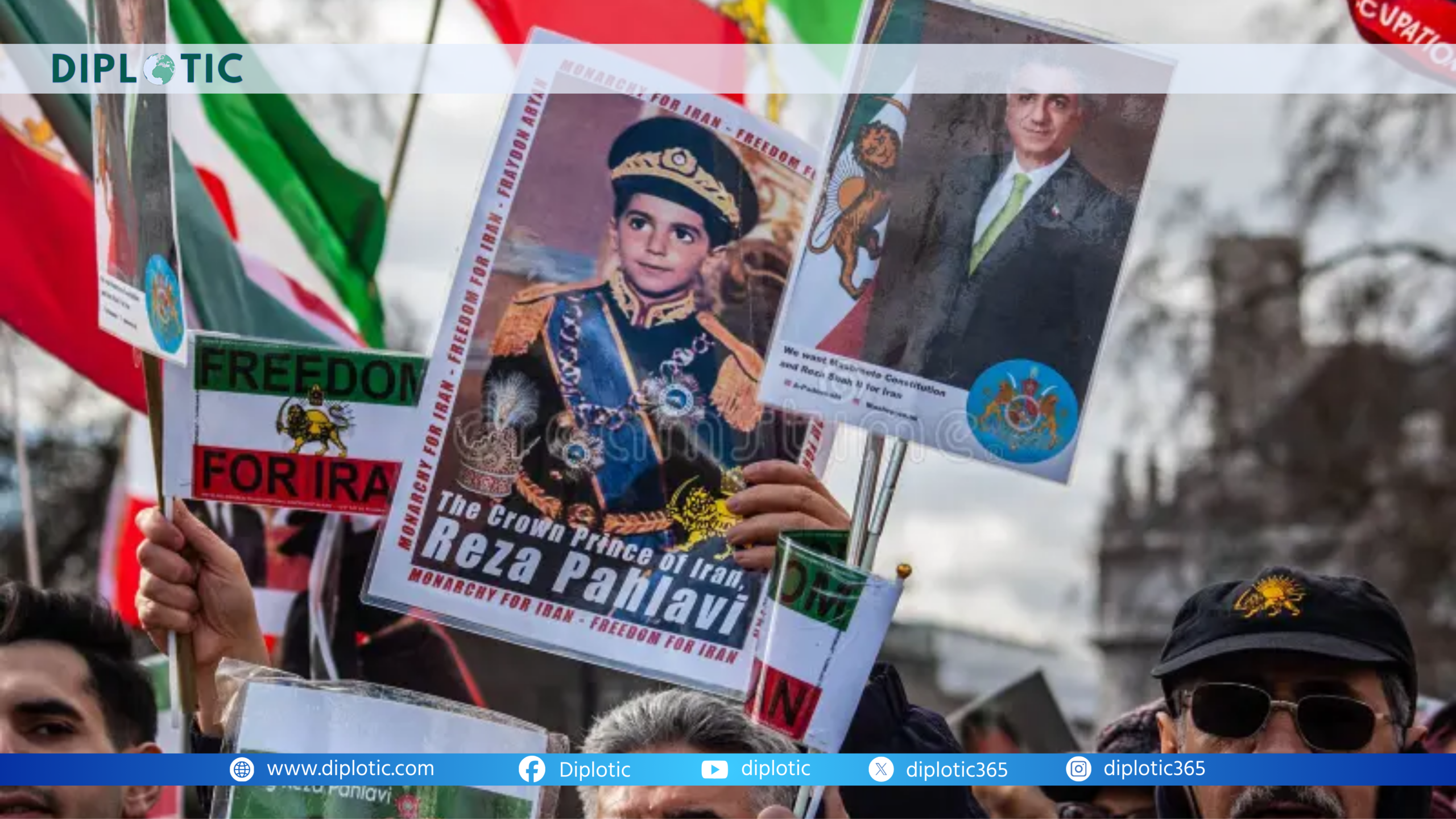
Two weeks into the US-Israeli war on Iran, a shift is happening among some Iranians who once looked to Reza Pahlavi for hope. The son of the country’s last king, living in exile, has long positioned himself as a leader who could replace the current government. Many who oppose the Islamic Republic saw him as a unifying voice. Now, growing numbers say they no longer trust him. His calls for people to risk their lives in protests, combined with his silence on civilian deaths from foreign strikes, have left some feeling betrayed. Interviews with people inside Iran show disappointment building, especially after recent events. This change raises questions about opposition leadership at a time when the country faces both internal crackdowns and outside attacks. The mood among those who want change appears more divided than before.
What led some former supporters to lose faith in Reza Pahlavi?
The doubts started before the current war. In January, large protests broke out across Iran over economic problems and demands for the government to step down. Pahlavi encouraged people to join the streets, as did voices from the US and Israel. Many listened and went out, hoping for real support or change. Security forces responded with heavy force. Authorities reported more than 3,000 deaths, while human rights groups say the number reached 7,000 or higher. People saw friends and family killed. For some, like Dina, a 39-year-old woman in Tehran, that experience changed everything. She once thought Pahlavi could bring the opposition together. Now she says he lacks the judgment his father or mother showed. She points out that thousands followed his words and faced bullets. The promised help never came in any clear way. Rumors of foreign agents on the ground did not lead to protection or success. Protesters felt left alone against a violent response. This pattern of raised hopes followed by harsh reality has repeated for many. Shirin, a 43-year-old mother in Tehran, recalls arguing with friends who warned against trusting Pahlavi. She believed he had a real plan and might return like leaders in the past. Now she admits those warnings were right. Morteza, 24, once saw Pahlavi as the only real alternative to the current system. He remembers promises that help was coming and that Pahlavi was preparing to return. Those words gave people courage to act. When nothing followed, trust broke. These stories show how encouragement from exile can carry weight inside Iran, but failure to deliver leaves deep disappointment. The January crackdown became a turning point for many who now question whether Pahlavi understands the risks people face on the ground.
Why does his latest call for protests during Chaharshanbe Suri feel out of touch?
On Sunday, Pahlavi posted on X urging Iranians to mark Chaharshanbe Suri, the traditional fire-jumping festival before the Persian New Year. He said the government hates the celebration, so joining it would challenge their rule. In normal times, the festival brings crowds, bonfires, and fireworks to cities. This year is different. For more than two weeks, US and Israeli air strikes have hit Iran. The Red Crescent reports over 1,500 civilians killed. Cities stay tense with fear of more attacks. People go to bed unsure if they will wake up. Majid, a 21-year-old student in Tehran, lost a close friend to security forces during the January protests. He still struggles with that memory. Now he hears calls to celebrate in the streets and asks if Pahlavi knows what daily life feels like. Fear of air strikes and crackdowns makes public gatherings risky. Authorities have warned strongly against protests. The national police commander said forces are ready to act against anyone who joins what he called enemy requests. In this atmosphere, a call to fill streets with celebrations strikes many as disconnected. Majid blames the government for killings but also feels opposition figures built false expectations. Dina sees the same gap. She questions how someone claiming to speak for Iranians can push for actions that invite more danger without addressing the current threats. The timing adds to the sense that Pahlavi does not fully grasp the situation inside the country. While some still see value in cultural resistance, others view the suggestion as careless when lives hang in the balance every day.
How has Pahlavi’s silence on civilian deaths and shifting positions added to the criticism?
Critics point to Pahlavi’s responses since the war began. He has expressed condolences for American soldiers killed in attacks. Yet he has not publicly commented on Iranian civilians lost to strikes, including children killed when a school in Minab was hit twice. For Dina, this difference hurts. She asks how he can claim to represent Iranians while staying quiet on child deaths but speaking quickly for foreign losses. The contrast feels unfair to many. Amir, a 40-year-old from Gorgan in northern Iran, notes other inconsistencies. Pahlavi has at times called for US support and praised Israel and the US. At other moments, he insists Iranians do not need foreign help. Amir links these shifts to external statements, such as when President Trump appears not to take Pahlavi seriously. Critics say this shows uncertainty rather than steady leadership. In the past, speaking against Pahlavi drew quick attacks from his supporters, who accused critics of working for the government. Now that space has opened. Amir says Pahlavi has made enough mistakes that criticism no longer carries the same risk. Long-time doubters feel freer to speak. Even among those who once hoped he could lead a transition, the mood has cooled. The combination of encouragement without follow-through, silence on local suffering, and changing messages has widened the divide. While some still view him as a possible figure for the future, the growing criticism suggests his influence among change-seekers inside Iran may be slipping.
What does this shift mean for opposition unity during a time of war?
The debate over Pahlavi unfolds against a backdrop of ongoing conflict and internal pressure. No widespread revolution has followed the leadership strikes that killed Supreme Leader Ali Khamenei on February 28. Hopes that attacks would spark uprisings have not come true. Instead, fear and division grow. Some who once backed Pahlavi now feel stuck without clear alternatives. They describe a dead end where the current system remains strong and opposition voices appear weak or out of touch. Others who always questioned him now voice doubts more openly. This split weakens the chance for a united front. The January protests showed energy among people tired of the government, but the lack of protection or clear next steps left many cautious. Now, with war adding new dangers, calls for action face higher risks and lower trust. Pahlavi retains support among some who see him as a symbol of a different path. Yet the stories from Tehran, Gorgan, and other places point to eroding confidence. People like Shirin, Majid, and Dina once placed hope in him out of desperation. That hope has faded into realism about costs and realities. The broader opposition remains fragmented, with no single figure or plan gaining wide acceptance. As the war continues and threats of more crackdowns loom, the loss of faith in Pahlavi highlights deeper challenges. Finding a way forward will require voices that better understand daily fears, speak clearly on all losses, and build trust through consistent actions rather than distant calls. For now, many inside Iran feel caught between a government they oppose and leaders abroad who seem distant from their struggles. The path ahead remains uncertain, but the growing questions about Pahlavi show that change will demand more than encouragement from exile.