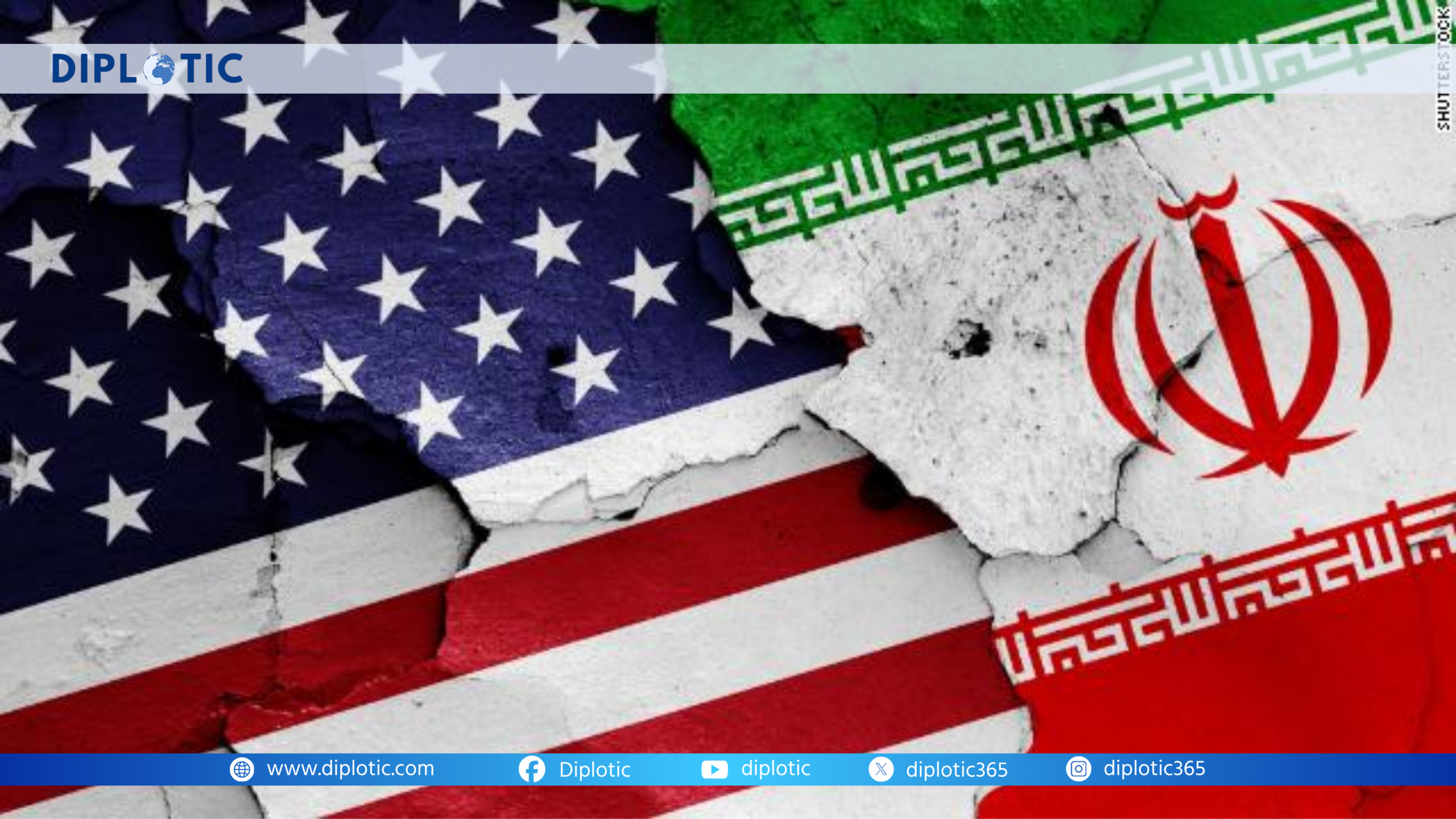
The killing of Iran’s Supreme Leader Ayatollah Ali Khamenei in joint United States and Israeli strikes has pushed the Middle East into one of its most dangerous moments in decades. When Washington described the attack as part of a “regime change war”, the language signalled a shift from limited military pressure to a direct challenge to Iran’s political system. Targeting the highest religious and political authority in Iran is not a routine military step. It crosses a threshold that changes how both sides define the conflict.
For South Asia, the shockwaves are not distant. Countries such as India, Pakistan, Bangladesh, and Sri Lanka depend heavily on Middle Eastern energy supplies, remittances from workers in the Gulf, and stable sea lanes through the Strait of Hormuz. If the conflict widens or becomes prolonged, the effects could move quickly from Tehran and Tel Aviv to markets and households across South Asia. The question is no longer whether tensions are high. It is how deep and long this confrontation might become, and how exposed South Asia is to the fallout.
Has the Conflict Shifted from Pressure to Regime Survival?
In past years, tensions between the United States, Israel, and Iran often revolved around sanctions, covert actions, and limited military strikes. These were serious but often calibrated to avoid full-scale war. The assassination of Ayatollah Ali Khamenei marks a different stage. Removing a country’s supreme leader signals an intention to weaken or reshape the system itself.
Iran’s political structure is complex and security-focused. It was built after the 1979 revolution to resist foreign pressure. Leadership succession is guided by constitutional mechanisms, including the Assembly of Experts. While the loss of such a central figure is a major shock, history shows that well-organised systems do not always collapse after the death of a leader. In some cases, external attacks increase internal unity.
Reports that Iran continues to launch coordinated missile attacks suggest that its command structure remains functional. A state that can respond militarily after losing its top authority is not paralysed. This makes the idea of a quick collapse unlikely. Instead, the conflict risks turning into a prolonged struggle framed by both sides as existential.
When war is defined as a fight for survival, negotiation becomes harder. Coercive diplomacy works when a country believes it can secure its future through compromise. If leaders and institutions believe their existence is under direct threat, resistance often replaces negotiation. This is the strategic shift that worries many observers. The killing of a supreme leader narrows political space for de-escalation.
Could the Conflict Expand Across the Region?
The immediate concern is regional expansion. Lebanon is a key flashpoint. Hezbollah, which has close ties with Iran, may see the assassination as a direct attack on its strategic ally. If it fully enters the conflict against Israel, a second major front could open. Lebanon, already facing economic crisis, would struggle to absorb another large-scale war.
The Gulf region is equally sensitive. United States military bases in Qatar, Bahrain, Kuwait, Jordan, Saudi Arabia, and the United Arab Emirates are potential targets in any Iranian retaliation. Even limited missile exchanges near Gulf waters can disrupt energy production and shipping routes.
The Strait of Hormuz is especially critical. A large share of the world’s oil passes through this narrow waterway. Any sustained disruption could send oil prices sharply higher. Shipping insurance rates would increase, and global supply chains could face delays. Energy markets respond quickly to uncertainty, and even short-term disruptions can affect prices worldwide.
Financial markets also react to prolonged instability. Investors often move funds toward safer assets during conflict. Currency fluctuations can intensify. For emerging economies, including those in South Asia, this can mean pressure on exchange rates and higher import costs.
When leadership elimination becomes part of military strategy, the risk of miscalculation rises. Each side may feel it cannot step back without appearing weak. This increases the danger of escalation beyond initial targets.
What Does This Mean for South Asia’s Security and Economy?
South Asia’s connection to the Middle East is deep and practical. India imports a large portion of its crude oil from Gulf countries. Pakistan and Bangladesh also rely heavily on energy supplies from the region. Higher oil prices would increase fuel costs, raise transportation expenses, and add pressure on inflation.
Remittances are another key link. Millions of South Asian workers are employed in Gulf states. If conflict spreads or economic activity slows in the Gulf, remittance flows could decline. For countries where remittances form a major part of foreign exchange reserves, this would create economic strain.
Maritime security is also crucial. South Asian trade routes depend on stable shipping lanes through the Arabian Sea and the Strait of Hormuz. Naval tensions or blockades could disrupt imports of energy and exports of goods. Insurance costs for ships could rise, increasing overall trade expenses.
There is also a security dimension. Pakistan shares a border with Iran. While their relationship has had tensions in the past, open conflict involving Iran could create refugee pressures or cross-border risks. India, which maintains relations with both Israel and Iran, faces diplomatic balancing challenges. It has strategic ties with Israel in defence and technology, while also investing in projects such as the Chabahar port in Iran.
South Asian governments will likely focus on maintaining neutrality while protecting economic interests. Calls for restraint, diplomatic engagement, and respect for international law are expected. However, their ability to influence the main actors may be limited.
The broader concern is that a prolonged Middle Eastern conflict could reshape global alliances and trade patterns. Rising energy costs, supply chain disruption, and financial uncertainty would not remain confined to one region.
The killing of Ayatollah Ali Khamenei marks a historic threshold. It signals that the conflict has moved beyond limited strikes to a deeper challenge to state continuity. Whether this leads to regime change, prolonged war, or eventual negotiation remains uncertain. What is clear is that once leadership elimination becomes normalised, stepping back becomes harder.
For South Asia, the crisis is not distant. It touches energy security, economic stability, maritime trade, and diplomatic balance. The coming weeks will show whether global powers seek escalation or containment. The answer will shape not only the Middle East’s future, but also the economic and strategic landscape of South Asia.