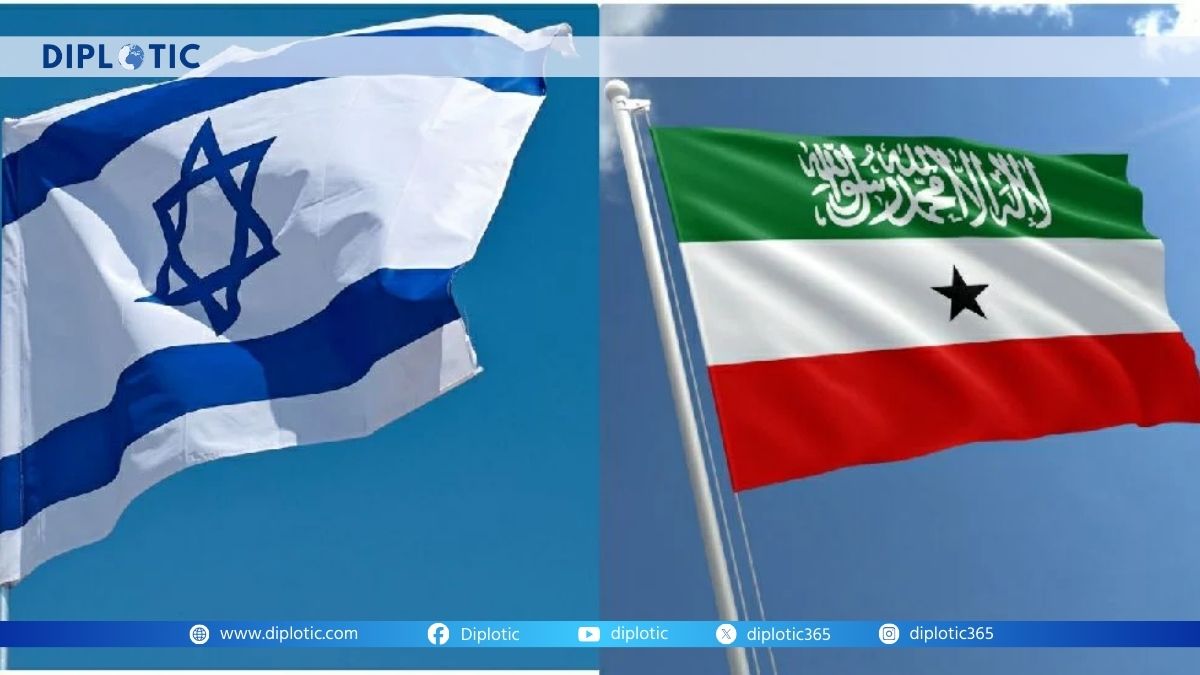
On December 26, 2025, Israel became the first country to formally recognize Somaliland as an independent and sovereign state, ending over three decades of international isolation for the breakaway region. Israeli Prime Minister Benjamin Netanyahu signed a declaration during a phone call with Somaliland’s President Abdirahman Mohamed Abdullahi, describing the move as an acknowledgment of Somaliland’s right to self-determination and an opportunity to expand cooperation in areas like agriculture, health, and technology. Residents in Hargeisa, Somaliland’s capital, celebrated the news with street gatherings and flag-waving. Yet the decision triggered immediate and widespread condemnation from Somalia, which views it as a direct attack on its sovereignty, and from many African, Arab, and Muslim-majority countries. Organizations like the African Union, Arab League, and Organization of Islamic Cooperation rejected the recognition, warning it violates international law and Somalia’s territorial integrity. China also criticized the move, stating no country should support separatist forces for selfish interests. As the UN Security Council prepared an emergency session, questions emerged about Israel’s motivations, the risks of regional instability, and whether this bold step could reshape alliances in the Horn of Africa and Red Sea.
What Motivated Israel to Recognize Somaliland Now?
Israel’s decision appears driven by strategic interests in a vital maritime region. Somaliland sits on the Gulf of Aden, opposite Yemen, giving it a key position near the Bab el-Mandeb strait, through which much global trade passes. Analysts point out that Israel seeks allies to counter threats from Yemen’s Iran-backed Houthi rebels, who have attacked Israeli-linked shipping and targets in solidarity with Palestinians. An Israeli presence or partnership in Somaliland could provide better access for intelligence, operations, or strikes against the Houthis. Think tanks like Israel’s Institute for National Security Studies have highlighted this potential, noting Somaliland as an ideal partner close to conflict zones.
The recognition builds on years of quiet ties, including reported Mossad cultivation of relations and secret visits by Somaliland’s leader to Israel. It aligns with the spirit of the Abraham Accords, which normalized Israel’s relations with several Arab states. Netanyahu framed it as promoting regional peace and mutual benefits. Some reports earlier in 2025 suggested discussions about Somaliland possibly accepting displaced Palestinians from Gaza, though both sides denied any direct link, and Somaliland stressed the recognition stood alone.
Parallel angles include broader Red Sea dynamics. Iran supports groups like the Houthis, and Israel aims to limit its influence. Somaliland offers stability compared to chaotic Somalia, with its own government, currency, and forces. For Israel, this move expands diplomatic reach in a Muslim-majority area without formal recognition costs from most nations. Yet critics question timing amid Israel’s Gaza conflicts and domestic pressures. Curiosity arises over whether this isolates Israel further or gains quiet support from allies like the UAE, which operates a port in Somaliland. The Houthis quickly warned any Israeli presence would be a military target, underscoring heightened risks.
Why Has the International Community Largely Condemned the Move?
Condemnation has been swift and broad, centered on protecting Somalia’s sovereignty and fearing a dangerous precedent. Somalia’s government called it an unlawful aggression and existential threat to national unity, vowing diplomatic and legal action. President Hassan Sheikh Mohamud addressed parliament, rejecting any foreign bases on Somali soil that could draw the country into proxy wars. The African Union firmly rejected the recognition, recalling Somaliland as part of Somalia and warning of chain reactions encouraging separatists across the continent.
Arab states like Egypt, Turkey, Saudi Arabia, Qatar, and others echoed this, stressing violations of UN Charter principles on territorial integrity. Joint statements from over 20 countries and groups like the Gulf Cooperation Council highlighted risks to Horn of Africa and Red Sea stability. China opposed supporting separatists for selfish gains. Even the European Union urged respect for Somalia’s unity and dialogue.
Different views reveal concerns about international norms. Many fear recognizing breakaway regions could undermine post-colonial borders, a core African Union principle since 1964. Somalia has long lobbied against such moves. Some link it to Palestinian displacement fears, though denied. Parallel insights show quiet sympathy from Ethiopia, due to its Somaliland port deal, and the UAE’s interests, but both stayed silent to avoid backlash. Taiwan welcomed it, seeing shared democratic values in unrecognized states. The widespread rejection isolates the decision, raising questions about enforcement—will others follow Israel, or does this reinforce global support for Somalia?
What Are the Historical Roots of Somaliland’s Push for Independence?
Somaliland’s quest traces to colonial divisions and post-independence trauma. It was British Somaliland until 1960, briefly independent for five days before uniting with Italian Somaliland to form Somalia. The union soon soured under military dictator Siad Barre, whose regime targeted the dominant Isaaq clan in the north during a rebellion. In the late 1980s, government forces killed tens of thousands, flattened cities like Hargeisa, and caused mass displacement.
When Barre fell in 1991 amid civil war, Somaliland declared independence, reclaiming its pre-1960 borders. It built functioning institutions—a multi-party democracy, elections, police, currency, and passports—while Somalia descended into clan warfare, piracy, and al-Shabab insurgency. Home to about six million, mostly Isaaq, Somaliland argues historical distinctness, ethnic differences, and self-governance justify separation. It maintains relative peace, holding regular votes observed internationally as fair.
Somalia insists on unity, viewing secession as illegal. No UN member recognized Somaliland until Israel’s move, limiting its access to loans, aid, and markets. Related angles include colonial legacies—borders drawn without local input fuel many African disputes. Somaliland’s stability contrasts Somalia’s fragility, yet global bodies prioritize territorial integrity to avoid fragmentation. Recent deals, like leasing coast to Ethiopia, angered Somalia but boosted Somaliland’s profile. History shows voluntary 1960 union turned coercive under Barre, explaining lasting grievances. Questions persist on whether functional statehood should override formal borders.
Could Israel’s Recognition Change Somaliland’s Future Trajectory?
As reactions unfold into 2026, Israel’s step may open doors or deepen isolation for Somaliland. President Abdullahi hailed it as historic, paving way for embassies, trade, and possibly more recognitions. It boosts legitimacy after decades of de facto independence, potentially attracting investment in ports and resources.
Yet risks loom large. Widespread condemnation could entrench Somaliland’s outsider status, with threats from al-Shabab or Houthis complicating security. Regional stability hangs in balance—escalation in Red Sea or Horn disputes possible. Parallel concerns include precedent effects: encouraging other breakaways while deterring due to backlash.
Broader implications tie to shifting alliances. Israel gains a foothold against Iran proxies, but at diplomatic cost. Somalia pushes for reversal through UN and courts. Quiet backers like UAE or Ethiopia may align interests without public moves. US under Trump distanced itself, questioning Somaliland’s familiarity. Connecting colonial past to present geopolitics, this recognition challenges norms of sovereignty versus self-determination. It reminds that unresolved historical unions can resurface in modern power plays, leaving Somaliland’s full acceptance uncertain but its strategic value clear for years ahead.