

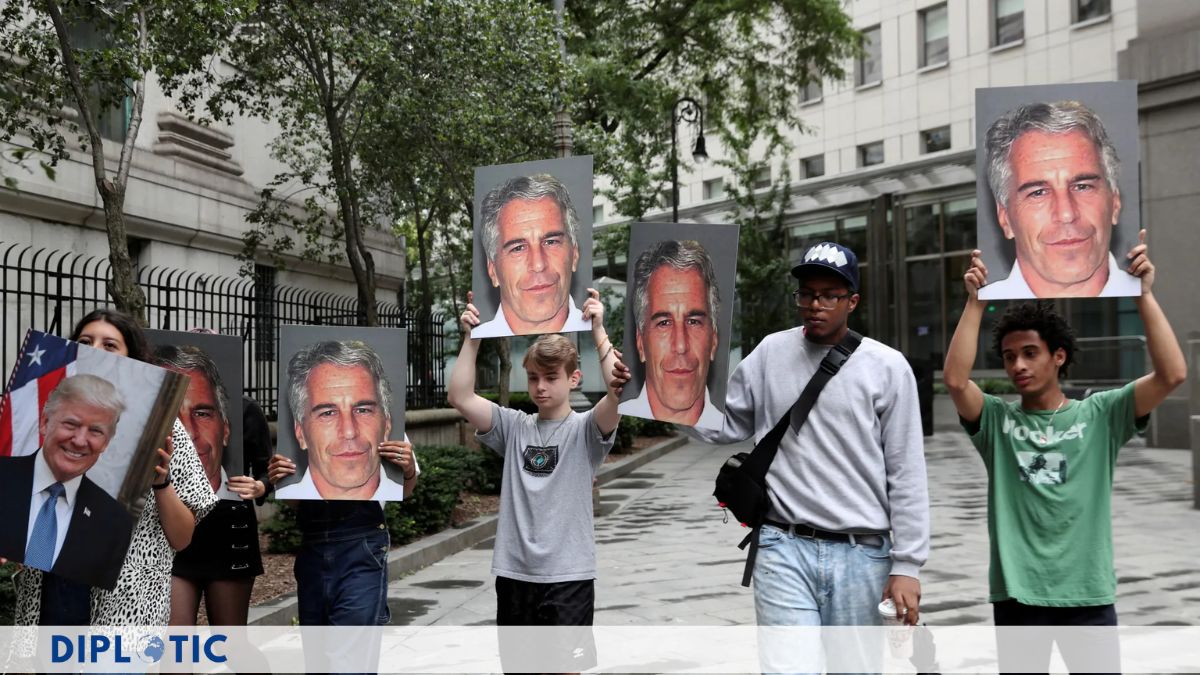
1. A New Set of Leaks Raises Old Questions
The release of thousands of private emails and documents connected to Jeffrey Epstein has reopened a troubling debate about hidden influence in American politics. These files, gathered and verified by independent investigative groups, show that Epstein was far more than a wealthy financier with a criminal past. He moved between powerful figures in the United States and Israel, introducing people, arranging meetings, and shaping conversations that had real political value. What stands out most in these files is his sustained and unusual closeness with Ehud Barak, the former Israeli prime minister and defense minister.
Their communication was frequent and detailed, stretching from 2013 to 2017. This was long after Epstein’s first conviction, a period when many public figures had distanced themselves from him. Yet Barak did not. Instead, he appears to have treated Epstein as a trusted private adviser, someone who could open doors in Washington and provide channels of communication that did not go through official diplomatic paths. These documents raise a simple but important question: why would a former head of government rely so heavily on a disgraced financier?
This is part of a larger story about how private networks can operate behind public institutions. The United States, with its global power and open political system, has always been vulnerable to actors who understand how to quietly influence policy. What makes the Epstein-Barak link so notable is not only the nature of their relationship but the cross-border implications it carries. When deals, security projects, or political strategies pass through private hands, the public has no way to judge motives, oversight, or long-term consequences.
The new leaks provide a rare look into this world. Epstein’s network was not just social. It was political, commercial, and strategic, touching sensitive sectors that usually remain hidden from citizens. Understanding how these channels worked is essential for assessing the wider patterns of influence that continue to shape US foreign policy today.
2. Inside the Epstein–Barak Network and Its Reach
The files show that Epstein acted not simply as a social connector but as an informal broker of intelligence, business, and strategy. Barak relied on him for introductions, access to senior figures in Washington, and help in gaining leverage across different regions. One striking example is a 2016 security cooperation project between Israel and Mongolia. Emails refer to modern surveillance tools, intelligence training, and rapid response programs—all areas that normally fall under highly controlled government channels. Yet these discussions unfolded in private communication, away from the checks that accompany official negotiations.
Epstein’s value to these conversations came from his deep ties across American political circles. His contact lists included people from both major parties, senior advisors, and individuals involved in sensitive policy discussions. According to the files, many of these figures sought his advice or attended meetings he arranged. While these interactions do not automatically imply wrongdoing, they demonstrate how one individual could become a quiet bridge between different power centers, especially when both sides found it useful.
For Israel, private channels like these have long complemented formal diplomacy. The US-Israel relationship is strong and longstanding, but the use of unofficial links—sometimes through business, sometimes through personal networks—has often played a major role in securing policy support. The Epstein files offer an unusual, almost accidental, record of how such channels can function.
In Washington, this type of influence is rarely illegal, but its lack of transparency makes it hard to assess how decisions are shaped. When private meetings or business deals overlap with strategic interests, it becomes difficult to distinguish personal gain from political agenda. This is why the Epstein-Barak communications have drawn so much attention. They show how major policy topics—security, intelligence cooperation, economic partnerships—can pass through hands that were never accountable to the public.
3. The Wider Landscape of Foreign Influence in US Politics
The Epstein files do not exist in isolation. They reflect a wider pattern where foreign governments—Israel among them—use lobbying, business networks, and personal relationships to shape US policy. Lobbying in itself is legal, and many countries rely on it. But the concern raised by these files is about the informal, unmonitored side of influence. When private actors play the role of diplomats or intelligence links, the line between national interest and private interest becomes blurred.
For decades, the pro-Israel lobby in Washington has been considered one of the most organized and effective foreign policy advocacy groups in the United States. It works openly through registered organizations and political committees. But critics have also pointed to a parallel set of informal networks, where individuals maintain backdoor communication with policymakers. The Epstein-Barak relationship fits into this debate, because it suggests how unofficial figures can help advance foreign policy goals without public awareness.
This is not unique to Israel. Other nations—including major powers in Europe, Asia, and the Middle East—also use private channels to influence US policy. What sets the Epstein files apart is their detail. They give names, dates, projects, and conversations, creating a rare map of how influence can flow between governments and private figures.
For the US, the key question is what this means for democratic accountability. Foreign influence itself is not unusual. But when it moves through private individuals with no official mandate, the risks grow. It becomes harder to tell whether decisions are being made for strategic reasons or shaped by personal relationships, financial interests, or political promises. The Epstein files expose this grey zone clearly, and their content suggests that this zone may be far larger and more active than previously understood.
4. The Political Fallout in Israel and the United States
In Israel, Barak’s connection with Epstein has drawn heavy criticism. Barak’s repeated visits to Epstein’s homes, his use of Epstein’s private jet, and their coordination on security-related projects have raised questions about his judgment and the true nature of their partnership. Israeli officials have repeatedly faced scrutiny over ties to wealthy private individuals, but the Epstein link has been especially sensitive due to the criminal allegations surrounding him and the global focus on his network.
In the United States, the political reaction has been more fragmented. Epstein had connections with both Democratic and Republican figures, which makes the topic difficult for either party to address openly. Many of the people who interacted with him say their meetings were brief or harmless. However, the files suggest that some individuals may have engaged with him as a political intermediary. This raises concerns about how easily private networks can insert themselves into systems of power.
Beyond individual reputations, the case highlights weaknesses in political safeguards. The US system relies heavily on disclosure and transparency to prevent undue influence. But private actors who work outside formal channels are not subject to these requirements. Epstein’s death in 2019 left many of his dealings unresolved, and the new files show how much information remains unknown. They reveal the scale of his activities but also how few checks existed to monitor them.
This public uncertainty is itself a problem. When citizens cannot clearly see how decisions are made, trust in institutions declines. The Epstein-Barak connection has become an example of how political systems can unintentionally create space for influence that operates without oversight, moving between countries and through private networks that most voters never hear about.
5. What the Epstein Files Teach Us About Power Today
The release of the Epstein files has renewed a simple but important debate: how much influence can be exercised through private relationships, and what does it mean for democracy? The documents show that Epstein used his social status and financial reach to connect global elites, and that some of these interactions had serious political implications. They also show how foreign policy can be shaped not just by formal agreements but by personal networks that operate behind closed doors.
These revelations do not provide every answer. Many details remain unclear, especially regarding the full scope of Epstein’s work with political figures in the US and abroad. But they do highlight a pattern where private actors can act as quiet power brokers, giving foreign leaders access to American decision-makers through unofficial paths.
For both the United States and Israel, the lesson is straightforward: transparency matters. When political decisions depend on channels that the public cannot see, accountability weakens. The Epstein files show not only the risks of such systems but also the need for stronger rules, clearer oversight, and a better public understanding of how influence works in the modern world.




