Introduction
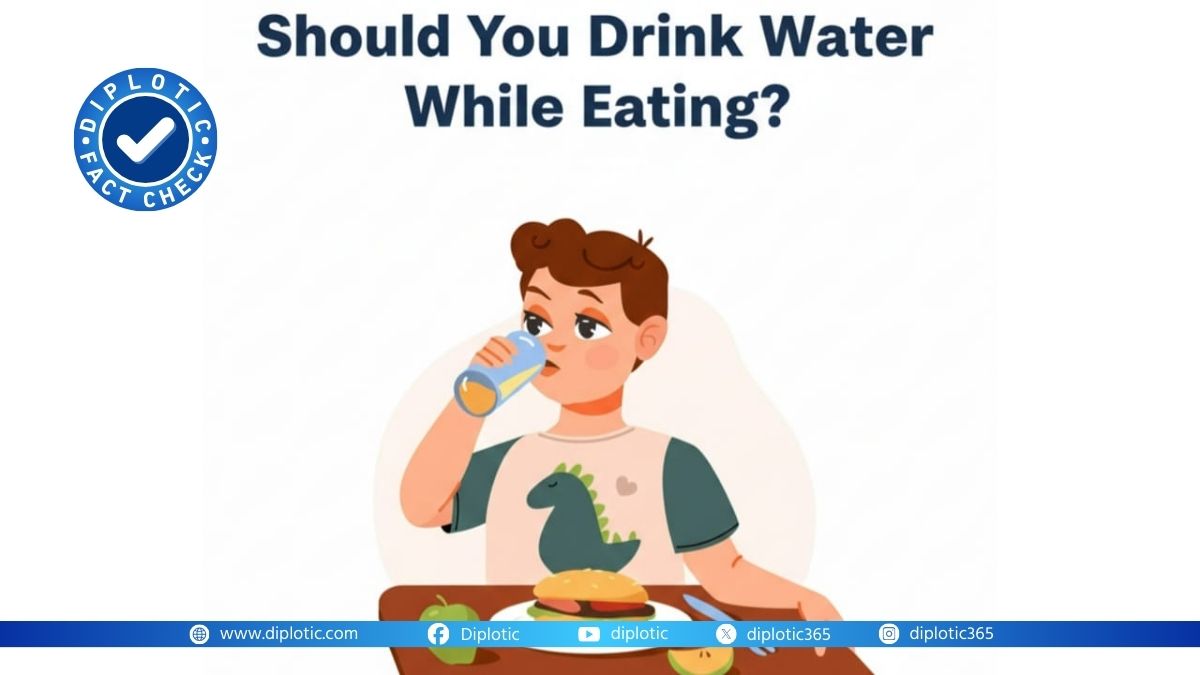
Water is essential for life. It’s involved in nearly every bodily process, including digestion, metabolism, nutrient transport, and waste elimination. But there are many popular beliefs about drinking water while eating or right after a meal. Some people say it’s harmless or even beneficial. Others argue it can interfere with digestion and cause discomfort or other issues. In this article, I examine the scientific evidence and expert insights to answer the question: What happens if we drink a lot of water while eating?
How Water Helps the Digestive System
Water plays a clear and essential role in digestion. It helps soften food and break it down so nutrients can be absorbed more easily. Water is also a component of saliva, which contains enzymes necessary for the initial phase of digestion in the mouth. In the stomach and intestines, water supports the movement of food along the digestive tract and prevents constipation by softening stool. Drinking water regularly throughout the day, including around meals, helps maintain these functions. According to Mayo Clinic experts, water does not interfere with digestive fluids and, in fact, supports the digestive process by helping to break down food and keep the system moving smoothly.
Drinking Water During Meals: Myths Versus Scientific Evidence
A common belief is that drinking water with meals can dilute stomach acid and digestive enzymes, making digestion less efficient. Many people repeat this notion, but scientific evidence does not support it. The digestive system can adjust its secretions based on the type and consistency of food and fluids consumed, so a moderate amount of water with food does not meaningfully dilute digestive juices. Research shows that fluids pass through the digestive system faster than solids but do not change the digestion rate of food itself. In some cases, water can even aid swallowing and help food move from the mouth to the stomach, improving comfort for people with dry or dense foods.
Despite this, some sources and traditional perspectives suggest taking small sips rather than large amounts with heavy meals. Sipping water can help humidify and soften food without overfilling the stomach, which may be more comfortable for some individuals.
What Happens if You Drink a Lot of Water While Eating?
When you drink a lot of water during a meal, several things can happen that may affect comfort and digestion:
- Increased Stomach Volume
Adding a large volume of liquid to food can stretch the stomach beyond its usual capacity. This may lead to discomfort, a feeling of fullness, or pressure that can contribute to acid reflux or mild heartburn in sensitive individuals. - Bloating and Gas
Drinking large quantities of water quickly can introduce extra air into the digestive tract and contribute to bloating or gassiness, especially in people with a sensitive gut or those prone to these symptoms. - Nutrient Absorption Concerns
Some wellness blogs and non-peer-reviewed advice suggest that excessive water can dilute digestive fluids and slow absorption of fat-soluble vitamins and minerals. There is limited clinical evidence to fully support this claim, but moderate intake is recommended to avoid potential negative effects on nutrient processing.
It’s important to note that much of the concern around dilution comes from older theories or traditional systems of medicine rather than modern clinical research. Human digestion is highly adaptable, and in healthy adults, moderate water intake even during meals usually doesn’t impair nutrient breakdown.
Should We Drink Water After Meals?
Drinking water immediately after a meal is common in many cultures. For most healthy adults, small amounts of water after eating do not pose problems and may even help smooth food passage through the intestines. However, large amounts right after a heavy meal can cause similar issues to those described above—like bloating, discomfort, and a sensation of fullness.
Some health providers suggest waiting 20 to 30 minutes after eating before drinking a lot of fluids. This gives the body a chance to concentrate digestive processes without being challenged by large extra volumes of liquid. This approach may benefit individuals with slower gastric emptying or digestive sensitivities, though it’s not a strict recommendation for everyone.
Overhydration and Systemic Effects
While the focus here is on drinking water with meals, it’s worth mentioning that consuming large volumes of water in a short time can lead to overhydration in extreme cases. This rare condition, known as hyponatremia, occurs when the blood’s sodium level is diluted too much. Healthy kidneys can usually excrete excess water efficiently, but consuming several liters in a short time can overwhelm this system and lead to swelling in cells, neurological symptoms, or worse. Although this is unlikely from eating and drinking water at the same meal, it highlights the importance of balance in hydration.
Individual Differences and Special Considerations
Not everyone reacts the same way to water intake during meals. Some people with gastroesophageal reflux disease (GERD) or gastroparesis (delayed gastric emptying) may notice that large amounts of water at meals make symptoms worse. For these individuals, limiting fluid intake during eating and focusing on hydration between meals can reduce discomfort.
Additionally, people with certain medical conditions affecting fluid balance—such as heart, liver, or kidney disease—may have specific recommendations on how much fluid they should consume and when. It’s important for these individuals to follow their healthcare provider’s guidance rather than general advice.
Conclusion
Based on evidence from reputable sources and current scientific understanding, drinking water while eating is generally safe and does not interfere with digestion in healthy adults. Water supports digestive processes by helping soften food, facilitating swallowing, and preventing constipation. Concerns about dilution of stomach acid are largely overstated, and the digestive system is capable of adjusting to fluid intake.
However, drinking a lot of water at once during meals—especially large gulps or large volumes—can contribute to discomfort such as bloating, fullness, or reflux in some people. Moderation is key. Paying attention to your body’s signals and adjusting when and how much water you drink around meals can help you maintain both hydration and digestive comfort. For most people, drinking water steadily throughout the day and limiting very high intake right at mealtimes offers the best balance between hydration and digestion.