

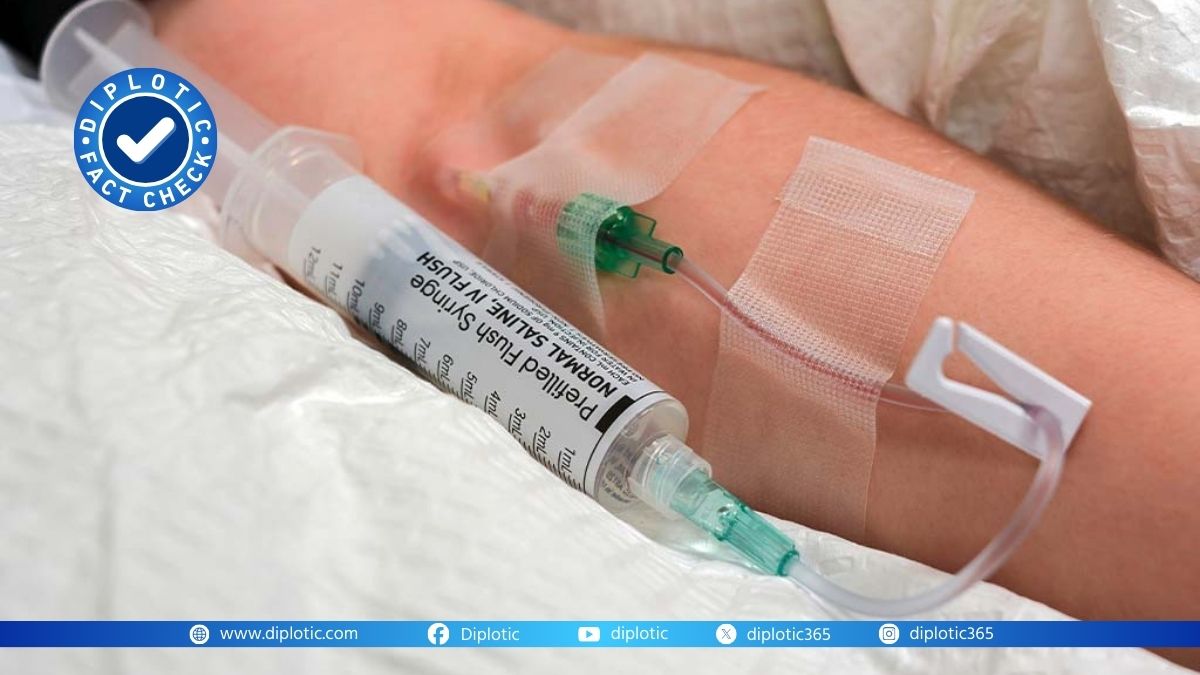
Intravenous (IV) saline drips, often just normal saline (0.9% sodium chloride solution), have become popular in wellness clinics. Many offer them alone or with vitamins for quick hydration and energy boosts. People seek them for fatigue, jet lag, or general low energy, even without illness. This raises questions: Do they really increase energy in healthy individuals? This matters because fatigue affects daily life, work, and well-being. Relying on unproven treatments can waste money, delay better solutions, or pose small risks like infection. This article examines key claims, using medical science, physiology, and reviews from sources like Mayo Clinic, Harvard Health, and studies.
IV fluids have a long history in medicine. Doctors developed saline in the 1800s to treat dehydration from cholera. It became standard in hospitals during the 1900s for surgery, shock, and illness. Wellness uses grew in the 2000s, with “drip bars” marketing saline or vitamin mixes for energy, immunity, and recovery. Physiology explains basics: Saline adds fluid and salt, expanding blood volume and aiding hydration if needed. Energy comes from cell processes using oxygen, nutrients, and water. Mild dehydration can cause tiredness, but most healthy people stay hydrated through drinking. Deeper issues involve placebo—feeling better from expectation—or risks like overhydration in rare cases.
Here are five main claims about IV saline drips for energy in healthy people.
Claim 1: IV Saline Drips Provide a Quick Energy Boost by Rehydrating the Body
Clinics say saline rehydrates faster than drinking, reducing fatigue from hidden dehydration.
Evidence shows limited support for healthy people. Dehydration causes tiredness, and IV fixes severe cases fast, like in hospitals. But studies on healthy volunteers find rapid saline infusion mainly increases blood volume temporarily, with minor heart rate or pressure changes—no clear energy gain. Reviews from Mayo Clinic and Harvard note felt improvements often come from placebo; saline alone matches vitamin drips in some trials. One fibromyalgia study showed saline patients reported the same benefits as vitamin ones.
Physiology: Healthy kidneys adjust fluids quickly; extra saline gets excreted as urine. Contradiction: Drinking water or electrolytes rehydrates well without needles. Deeper: Overuse risks fluid overload, though rare in healthy people.
Verdict: Misleading. May help if dehydrated, but no proven energy boost beyond placebo in well-hydrated healthy individuals.
Claim 2: Pure Saline Drips (Without Vitamins) Are Enough to Increase Energy Levels
Some promote basic saline as sufficient for vitality, without added nutrients.
This lacks backing. Normal saline provides water and salt—no vitamins or energy sources. Medical sources like StatPearls and Cleveland Clinic use it for volume replacement in dehydration or shock—not routine energy. Volunteer studies show hemodynamic changes (like higher cardiac output briefly) but no subjective energy reports. Wellness claims rely on anecdotes, not trials.
History: Saline treats deficits, not enhances normal function. Trade-off: Cheap and safe, but unnecessary if drinking enough. Implications: Could mislead people from addressing real fatigue causes like sleep or diet.
Verdict: False. No evidence supports energy increases in healthy people.
Claim 3: IV Saline Is Better Than Drinking Water for Energy and Hydration
Proponents claim direct bloodstream delivery works faster and better.
Not true for healthy individuals. Oral hydration absorbs well; studies show drinking matches IV for mild dehydration recovery. IV bypasses gut for severe cases or malabsorption, but healthy people absorb 100% eventually. Harvard Health notes most can drink needed fluids; IV costs more with risks.
Science: Body regulates intake; excess IV fluid strains kidneys briefly. Contradiction: IV feels dramatic, boosting perceived effects via placebo. Ethically: Marketing exploits fatigue vulnerability.
Verdict: False. No superior energy benefit over drinking water.
Claim 4: IV Saline Drips Are Safe and Effective for Regular Use in Healthy People to Maintain Energy
Some suggest routine drips for ongoing vitality.
Safety yes for occasional use, but effectiveness no. Risks include infection, vein issues, or electrolyte imbalance—low but present. No long-term studies support regular use in healthy people; guidelines reserve for medical needs. Reviews find insufficient evidence for wellness benefits.
Context: Used in chronic fatigue syndrome or POTS for blood volume, but those aren’t healthy states. Deeper: Promotes medicalization of normal tiredness.
Verdict: Misleading. Safe occasionally, but no proven effectiveness for energy maintenance.
Claim 5: Adding Vitamins to Saline Makes It More Effective for Energy Than Saline Alone
Many drips include B vitamins or others for metabolism boost.
Evidence remains weak. Reviews in PMC and others find vitamin IV benefits anecdotal; trials show no advantage over placebo or oral for healthy people. One office worker study used vitamin C (not saline alone) for fatigue reduction, but high-dose specific. Most experts say healthy diets provide enough; IV unnecessary.
Physiology: Bypassing gut aids deficiencies, but rare in healthy eaters. Contradiction: Placebo strong; saline controls match in studies. Wider: Costs hundreds per session versus cheap supplements.
Verdict: Uncertain. Some subjective reports, but limited scientific support beyond placebo.
In summary, IV saline drips do not reliably boost energy in healthy people beyond possible placebo or mild dehydration fix. Science prioritizes proven basics: sleep, diet, exercise, and water drinking. History shows medical value in illness, but wellness extension lacks evidence. Contradictions highlight marketing versus research gaps. Deeper implications include risks of over-treatment or ignoring root causes like stress. Ethically, informed choices matter—consult doctors for persistent fatigue. Wider, this reflects trends seeking quick fixes in busy lives, but sustainable habits build true energy. For most healthy individuals, a glass of water often suffices.




