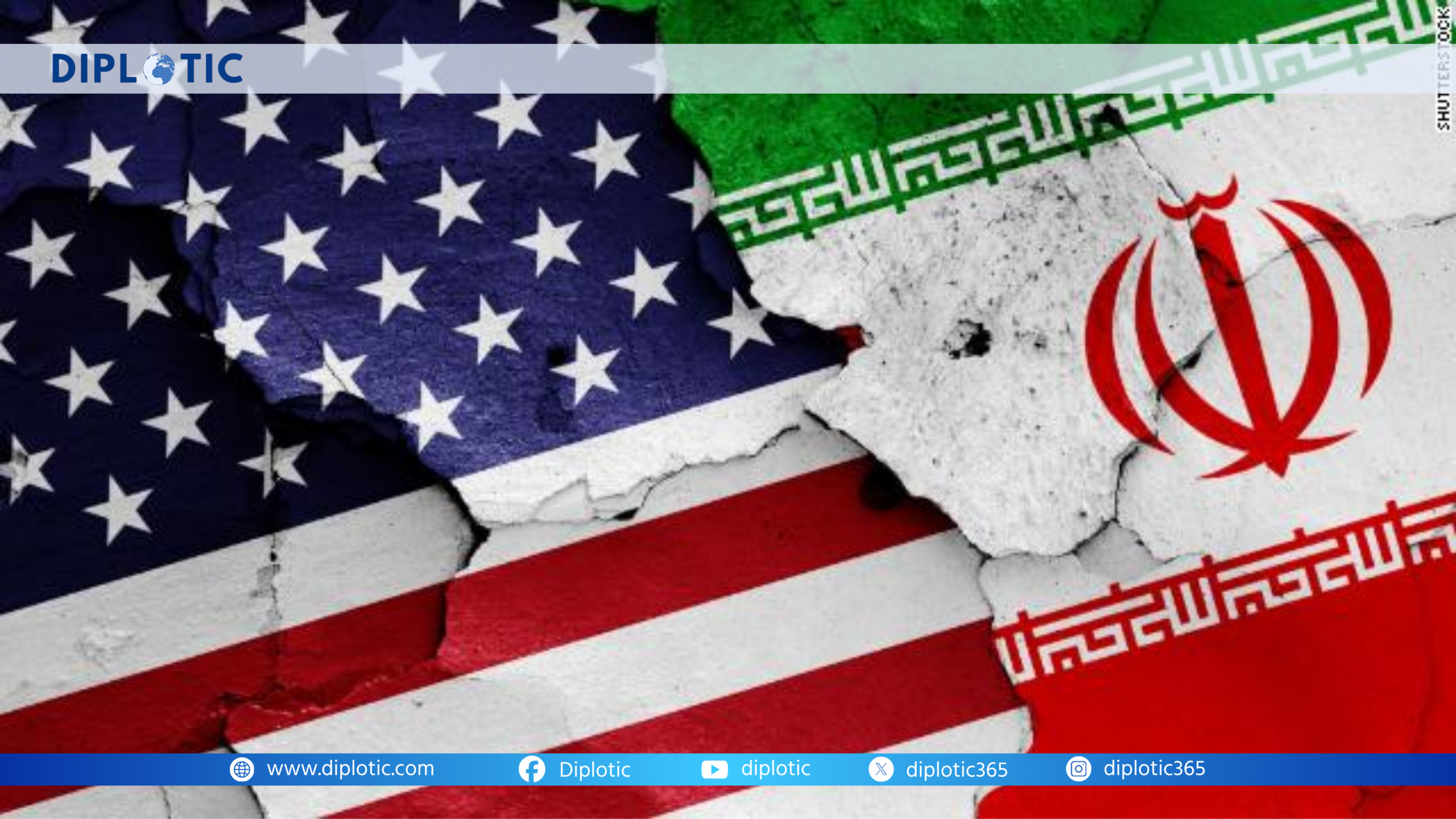
A fresh push in Washington raises big questions about who controls America’s decisions on war and spending. Just days ago, a key lawmaker asked for a clear breakdown of what the recent strikes on Iran might cost the country. This comes after President Donald Trump ordered attacks that killed top Iranian leaders, starting a conflict without full approval from Congress. The move by Representative Brendan Boyle, a Democrat from Pennsylvania, highlights worries over money, lives, and the rules set by the Constitution. As tensions rise, this request could force leaders to explain their choices and think about long-term effects. It ties into old debates about power balance in government, now playing out in a real crisis that affects troops, budgets, and even prices at home.
What sparked this call for a deep look into war expenses?
The story begins with a letter sent last week. Representative Brendan Boyle, who leads Democrats on the House Budget Committee, wrote to the Congressional Budget Office. This office gives neutral facts on costs to help lawmakers decide. Boyle wants details on what the fight with Iran might add up to, including if it drags on past a few weeks or needs U.S. soldiers on the ground. He also asked about side effects, like how shifting ships or planes from other areas could weaken defenses elsewhere. For example, moving an aircraft carrier away from near Taiwan might leave the U.S. less ready if China acts aggressively.
This request did not come out of nowhere. It follows strikes ordered by President Trump on Saturday, which killed Iran’s Supreme Leader Ayatollah Ali Khamenei and other officials. The action, called Operation Epic Fury, has already led to deaths of six American troops in Iranian counterattacks. Trump says the war might end in four to six weeks, but he has not ruled out sending more forces. Yet Congress has not voted to declare war or pass a special approval for military action. That breaks from how the system is meant to work, where lawmakers must agree before big fights start.
Boyle points to the Constitution, which gives Congress control over money and war declarations. His letter asks for cost models under different paths, plus how the war could raise prices for things like gas or food in the U.S. The Defense Department has stayed quiet on current spending, saying they have no details to share. This silence worries many, as taxpayers foot the bill without knowing the full amount. Earlier this year, Congress approved about $839 billion for defense, plus $150 billion more for specific needs. Now, there are signs the White House might ask for extra funds soon, which would need votes from both parties to pass.
Looking back, similar issues arose in past conflicts. Wars in Iraq and Afghanistan started with quick actions but grew into long, costly fights without clear ends. Those experiences showed how lack of early checks can lead to trillions spent and thousands of lives lost. Boyle’s move echoes calls from lawmakers in those times who pushed for more oversight. It also connects to recent failed attempts in Congress to limit the president’s power through War Powers Resolutions. Those votes split mostly by party, with Republicans backing Trump and Democrats trying to pull back forces. The letter serves as another tool to demand answers, showing how one person’s action can spotlight bigger system flaws. If the budget office responds with solid numbers, it could change how leaders talk about the war and force tougher questions on strategy.
Why does this point to a bigger break in government rules?
At its core, this situation tests the basic setup of U.S. power sharing. The founders wrote the Constitution to stop any one branch from deciding on war alone. Congress holds the purse strings and the right to declare war, while the president commands the military. But in recent decades, presidents from both parties have stretched their role, starting actions without full votes. Trump’s strikes fit this pattern, defended by Republican leaders like House Speaker Mike Johnson and Senate Majority Leader John Thune as part of commander-in-chief duties. Yet critics see it as a dangerous slide toward unchecked power.
The lack of open cost details adds to the problem. Without numbers, Congress cannot fully debate or vote on funding. This hides the true burden from the public, who pay through taxes. Boyle argues that money should go to home needs like roads, schools, or health care, not endless fights abroad. His letter warns of another drawn-out war in the Middle East, recalling how past ones drained resources for years. The secrecy also erodes trust, making it hard for people to hold leaders accountable.
Consider parallel cases from history. In Vietnam, early escalations without clear congressional backing led to massive protests and division. More recently, actions against ISIS or in Syria happened under old approvals from 2001 and 2002, stretched far beyond their original intent. These examples show how avoiding direct votes can lead to missions that expand without end. In this Iran case, no such approval exists, making the constitutional gap even wider. Boyle’s request could fill some of that by providing facts to spark debate. It also highlights how party lines affect oversight—Democrats push for limits while Republicans support quick action. This divide mirrors broader splits in Washington, where unity on foreign policy has faded. If ignored, this could set a pattern for future presidents to act alone, weakening the checks that protect against rash choices. The letter, though simple, acts as a reminder that transparency is key to democracy, forcing leaders to justify costs in lives and dollars.
What are the real tolls on people and global plans?
Beyond rules and money, the human side stands out. Six U.S. troops have died so far, with more expected as fighting continues. Each loss affects families and communities deeply. Starting a conflict without full discussion disrespects those who serve, as it risks lives without clear goals. Trump’s public comments, saying he wants to fight more than Iran does, suggest quick decisions over careful thought. Diplomacy often gets pushed aside, leading to higher risks.
Strategically, the war pulls focus from other threats. Boyle asked about moving assets like carriers, which could leave gaps in places like the Pacific. With China building up forces, a weaker U.S. presence there might invite trouble. This shows how one action creates ripples, affecting alliances and security worldwide. Past wars teach similar lessons—Afghanistan diverted from other needs, stretching the military thin. Here, a short fight could turn long if Iran allies join or if ground troops are needed.
Economic effects hit home too. Wars often raise oil prices, pushing up costs for travel and goods. Boyle wants the budget office to study this, linking foreign actions to everyday life. In 2026, with recovery from past economic dips, added war costs could slow growth or increase debt. These angles make the conflict more than a distant event; it touches jobs, safety, and futures. Viewing it through human stories, like grieving families or strained troops, adds urgency to calls for oversight. Without it, impulsive steps risk bigger disasters, from lost lives to shifted global power.
How can leaders fix this and restore balance?
Moving ahead requires action from all sides. Congress must push for full details and debate any new funding. The possible extra spending request offers a chance to demand answers—lawmakers could tie approval to clear plans and limits. Boyle’s letter sets a model, using neutral analysis to build cases for change.
Broader steps include updating war powers laws to fit modern threats. Past efforts failed, but this crisis could build support across parties. Public pressure matters too, as voters want accountability. Reclaiming control means honoring the Constitution’s intent, ensuring war decisions come from open talks, not single choices.
In the end, this moment connects old principles to today’s challenges. What started as strikes now questions the heart of U.S. governance. By seeking facts on costs, leaders like Boyle aim to guide the nation toward wiser paths. The outcome could shape how America handles conflicts for years, balancing strength with democratic values. As the world watches, the choice between secrecy and openness will define the country’s future.