

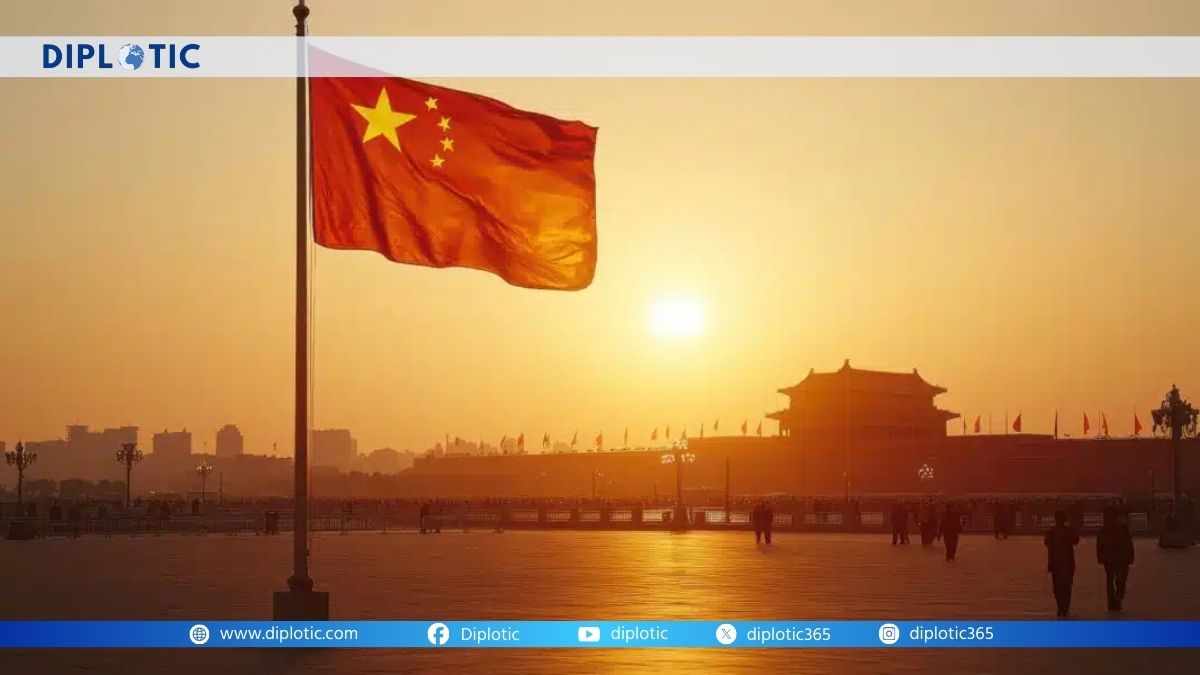
China has introduced a new law promoting what it calls “ethnic unity,” a move that has immediately drawn international attention and concern. Approved by the National People’s Congress in 2026, the legislation aims to strengthen national cohesion across the country’s many ethnic groups. Yet critics argue that the law may deepen tensions instead of resolving them, particularly among minority communities such as Tibetans and Uyghurs.
At the center of the debate is language and identity. The new law formalizes the use of Mandarin Chinese as the “national common language” in education, public administration and other official areas. Schools will be required to teach primarily in Mandarin, and students are expected to demonstrate a basic command of the language by the end of compulsory education.
Supporters of the law say the policy is necessary to improve communication and economic mobility across China. A shared language, they argue, can help people from different regions participate more easily in the national economy and public life.
However, human rights groups and minority advocates see the situation differently. They warn that the law could accelerate the decline of local languages and cultural traditions that have existed for centuries. For communities whose identity is closely linked to language, the shift toward Mandarin is viewed not just as an educational reform but as a broader political project.
The debate surrounding the law highlights a deeper question about how modern states manage cultural diversity. China officially recognizes dozens of ethnic groups and hundreds of languages. Yet the government has increasingly emphasized national unity and shared identity. Understanding the implications of the new law requires examining how language, security policy and political control intersect in China’s minority regions.
Why Language Policy Is Central to China’s Ethnic Strategy
Language has long been a key tool in China’s approach to national integration. The country is home to 55 officially recognized ethnic minority groups, many of which have their own languages, writing systems and cultural traditions. These communities are spread across large regions including Xinjiang, Tibet, Inner Mongolia and parts of southwestern China.
For decades, the Chinese government has promoted Mandarin as the primary language of national communication. Known officially as Putonghua, Mandarin is used in government institutions, universities and most major economic sectors. The promotion of this common language has been framed as a way to strengthen national unity and economic development.
The new ethnic unity law formalizes this policy further. Under the legislation, schools are required to teach primarily in Mandarin. Students must achieve a basic level of proficiency before completing compulsory education. The law also promotes Mandarin in public affairs, meaning it will dominate government communication and administrative processes.
Supporters argue that such policies help reduce regional inequality. Many rural minority communities have historically faced limited access to national job markets. Proficiency in Mandarin can make it easier for young people from these regions to study at universities or work in other parts of the country.
However, critics note that language policies often affect cultural identity as much as economic opportunity. For communities where language is closely tied to religion, literature and historical memory, replacing the local language in education can gradually weaken cultural continuity.
This concern is particularly strong in areas like Xinjiang and Tibet, where language is closely connected to ethnic and religious identity. In these regions, changes to language policy are often interpreted not simply as administrative reform but as part of a larger political strategy aimed at shaping social integration.
How the Law Could Affect Uyghur and Tibetan Communities
Among the communities most likely to feel the impact of the new law are the Uyghurs in Xinjiang and the Tibetans in the Tibetan Plateau region. Both groups have distinct languages and cultural traditions that differ significantly from those of China’s Han majority.
Uyghur is a Turkic language written in a modified Arabic script, and it plays a central role in the region’s cultural and religious life. Tibetan, meanwhile, has a long literary tradition tied to Buddhist scholarship and historical records. For both communities, language is deeply connected to identity.
Over the past decade, education policies in some minority regions have already shifted toward Mandarin instruction. In Xinjiang and parts of Tibet, many schools have replaced bilingual education models with Mandarin-dominant systems. The new law formalizes these trends at the national level.
Supporters of bilingual education argue that students can learn both Mandarin and their native languages effectively. They say maintaining local languages alongside Mandarin allows minority communities to participate in the national economy without losing cultural heritage.
Human rights organizations have raised concerns that removing local languages from schools could accelerate assimilation. If children primarily study in Mandarin from an early age, their ability to read and write in their native language may decline over time.
Critics also point to broader policies implemented in Xinjiang in recent years, including surveillance programs and vocational training centers aimed at addressing security concerns. Some former detainees and international observers have described these programs as attempts to reshape cultural identity.
Chinese authorities reject such criticism. They argue that their policies are designed to promote stability and economic development in regions that have experienced security challenges. From the government’s perspective, stronger national identity and shared language are essential tools for preventing separatism and social conflict.
The Security Dimension Behind the Ethnic Unity Law
Another key feature of the law is its emphasis on security. The legislation includes provisions targeting what it describes as terrorism, separatism and religious extremism. Authorities argue that promoting national unity and shared identity is necessary to prevent instability.
These concerns are particularly focused on regions with a history of unrest. In Xinjiang, the government has cited past incidents of violence as justification for strict security policies. Officials maintain that these measures are aimed at preventing terrorism and protecting social stability.
The ethnic unity law extends this framework by linking language and cultural policy to national security. Activities described as promoting ethnic separatism or undermining unity can fall under the law’s provisions. The legislation also states that certain offenses could be pursued even if they occur outside China’s borders.
This extraterritorial element has drawn attention from legal experts. It suggests that individuals or organizations abroad could face legal consequences if their actions are considered to promote separatist movements or challenge China’s territorial integrity.
Supporters of the law argue that many countries maintain similar provisions to protect national unity. They see the legislation as part of a broader effort to strengthen state authority during a period of rapid social and economic change.
However, critics warn that broad definitions of separatism could restrict cultural or political expression among minority communities. They argue that policies focused heavily on security may make it harder to build trust between minority populations and the central government.
Can National Unity Policies Coexist With Cultural Diversity?
The debate surrounding China’s ethnic unity law reflects a broader challenge faced by many multiethnic states. Governments often seek to promote national cohesion through shared institutions, language and economic integration. At the same time, minority communities seek to preserve cultural traditions that define their identity.
China’s approach has historically combined both elements. Minority regions have received certain forms of administrative autonomy and cultural recognition. At the same time, the central government has maintained strong control over political and security policies.
The new law appears to strengthen the emphasis on national integration. By formalizing Mandarin as the primary language of education and public life, it reinforces the idea of a shared national identity centered on common communication.
Whether this approach will succeed in building long-term cohesion remains uncertain. Supporters believe it will help reduce economic disparities and improve social mobility across different regions. They argue that shared language and institutions are essential for national development in a country of more than one billion people.
Critics worry that reducing the space for minority languages could weaken cultural diversity and increase resentment among affected communities. They say that preserving local languages in schools and public life is important for maintaining cultural confidence and social stability.
The ultimate impact of the law will likely unfold over many years. Education policies, language use and cultural expression change gradually rather than immediately. The question facing policymakers is whether stronger national integration can be achieved while still protecting the cultural heritage of China’s many ethnic groups.
For Tibetans, Uyghurs and other minorities, the future of their languages and traditions may increasingly depend on how that balance is managed in the years ahead.




