Ukrainian President Volodymyr Zelensky urges Donald Trump to witness the human toll of war before any peace deal with Russia. Explore the rising tensions, political stakes, and global reactions to Russia’s deadly attack on Sumy.
A Personal Plea Amid Escalating Violence
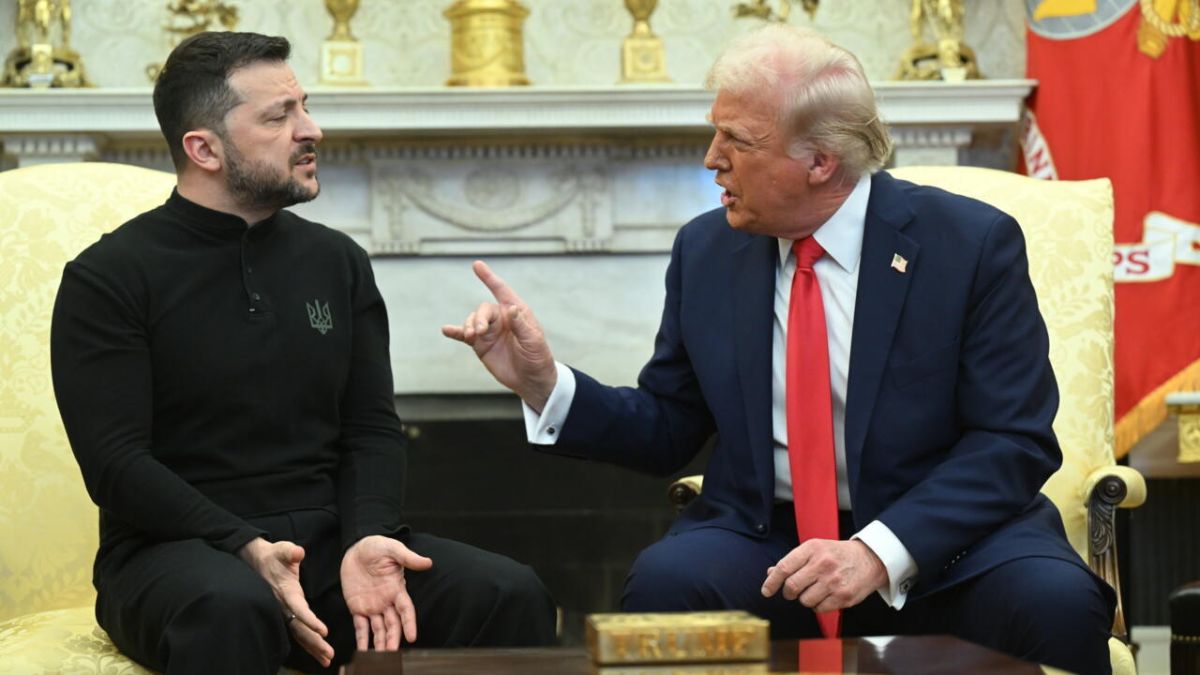
In a striking and emotional appeal, Ukrainian President Volodymyr Zelensky has invited former U.S. President Donald Trump to visit war-torn Ukraine before moving forward with any negotiation or peace agreement with Russia. The invitation was extended during a CBS 60 Minutes interview, where Zelensky implored Trump to witness firsthand the destruction, suffering, and resilience of the Ukrainian people.
“Before any kind of decisions, come to see people, civilians, warriors, hospitals, churches, children destroyed or dead,” Zelensky urged.
The interview aired just hours before a Russian missile strike on Sumy claimed the lives of 34 civilians, including two children, and injured over 117 more the deadliest attack on civilians in Ukraine so far this year.
Trump’s Diplomatic Balancing Act: Between Ceasefire Hopes and Russian Aggression
The Trump-led U.S. administration has taken an unorthodox approach to ending the war, now entering its fourth year. Through backchannel diplomacy spearheaded by special envoy Steve Witkoff, Trump has met thrice with Russian President Vladimir Putin, exploring a potential ceasefire framework. However, the apparent urgency for peace is complicated by mounting evidence of continued Russian war crimes.
Despite Trump condemning the Sumy attack as a “horrible thing,” his cautious response including a vague claim that he was “told they made a mistake” has drawn criticism both at home and abroad.
Ukraine Resists Unequal Deals as Washington Applies Pressure
Zelenskyy’s call for a Trump visit comes amid growing frustration in Kyiv. Only one senior U.S. official Treasury Secretary Scott Bessent has visited Ukraine under Trump’s leadership, and his purpose was less than diplomatic. Bessent reportedly pressured Ukraine to sign a mineral trade agreement heavily tilted in Washington’s favor, leveraging continued military aid as a bargaining chip. Zelensky refused.
This bold rejection underscores Ukraine’s unwillingness to compromise sovereignty for aid and its suspicion that U.S.-Russia talks could undermine Ukraine’s position on the battlefield and at the negotiating table.
Global Condemnation: The Sumy Strike as a Turning Point?
Russia’s missile attack on Sumy triggered a wave of international outrage. Incoming German Chancellor Friedrich Merz denounced the strike as a “serious war crime,” describing it as deliberate and calculated. French President Emmanuel Macron and European Commission President Ursula von der Leyen echoed that sentiment, calling the attack “barbaric” and demanding “strong measures” to force a ceasefire.
British Prime Minister Sir Keir Starmer and UN Secretary-General António Guterres added their voices, reaffirming support for Ukraine’s sovereignty and condemning attacks on civilians under international humanitarian law.
With Russia doubling down on military aggression even as diplomatic channels open, trust in Moscow’s intentions remains dangerously low.
Is Trump’s Strategy Risking Ukraine’s Security?
The Trump administration’s efforts to negotiate a ceasefire appear focused on geopolitical optics and strategic victories, not necessarily on justice or long-term peace. Critics argue that while Trump may position himself as a global peacemaker, his failure to hold Russia accountable could embolden further aggression.
Meanwhile, Kyiv fears being sidelined as Washington and Moscow explore bilateral arrangements that ignore Ukraine’s territorial integrity or the atrocities its citizens continue to face.
Trump’s reluctance to visit Ukraine and his perceived alignment with a quick, optics-driven ceasefire risks alienating allies and undermining U.S. credibility as a champion of democracy.
Why Zelensky’s Invitation Matters Now
By inviting Trump to Ukraine, Zelensky is calling for moral clarity and political accountability. His message is simple: before you shake hands with Putin, look Ukrainians in the eye.
It’s not just a symbolic gesture it’s a strategic move. Zelensky wants Trump to witness the war’s brutal realities before endorsing any deal that might cement territorial losses or legitimize Russian occupation.
Moreover, such a visit could serve as a litmus test for Trump’s commitment to Ukraine and international law. Would he risk political fallout by siding with victims of war, or will he continue walking the tightrope between realpolitik and moral diplomacy?
A War Far from Over and a Peace Still Out of Reach
The Sumy strike, coming on the heels of an earlier April attack that killed 20 civilians in Kryvyi Rih, proves that Russia’s aggression remains unrelenting. Moscow’s defense ministry continues to justify attacks by claiming military targets, yet fails to provide any verifiable evidence. Civilian death tolls keep climbing.
Since the start of the full-scale invasion in February 2022, hundreds of thousands have been killed or injured. The UN reports that nearly 7 million Ukrainians are now refugees, and the humanitarian toll continues to rise.
With the war’s roots stretching back to Russia’s 2014 annexation of Crimea, this is not merely a regional conflict it is a global crisis with profound implications for international law, Western unity, and the global balance of power.
Peace Must Not Come at the Cost of Justice
Zelensky’s plea is a poignant reminder: real peace requires more than silence on the battlefield it requires justice, accountability, and respect for sovereignty. As global leaders navigate the treacherous terrain of diplomacy, they must remember that every missile strike and every civilian death is a wound on the conscience of the international community.
Whether Trump accepts the invitation or not, his next steps will reverberate beyond politics they will help define the world’s response to war, aggression, and the enduring struggle for peace.