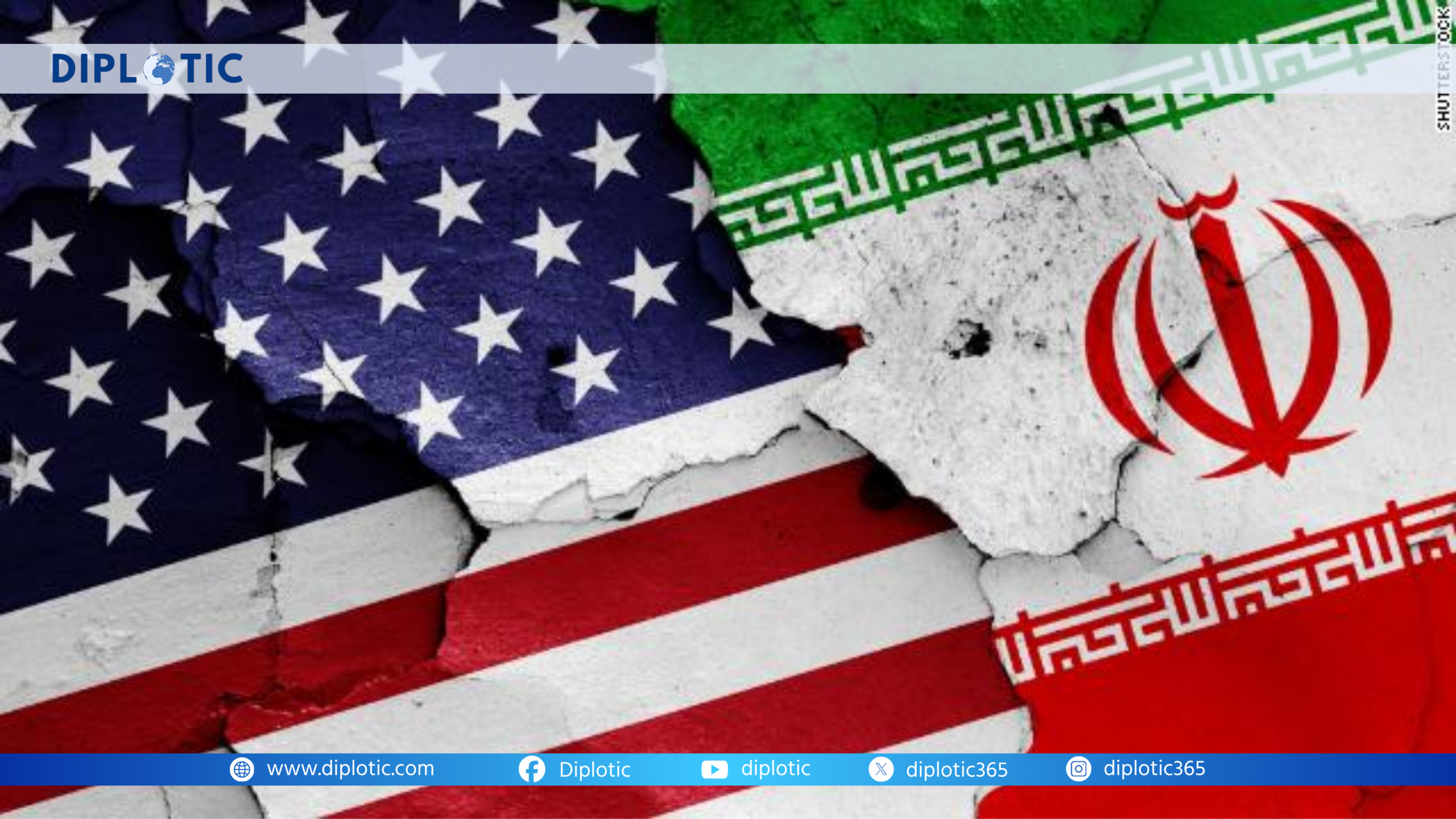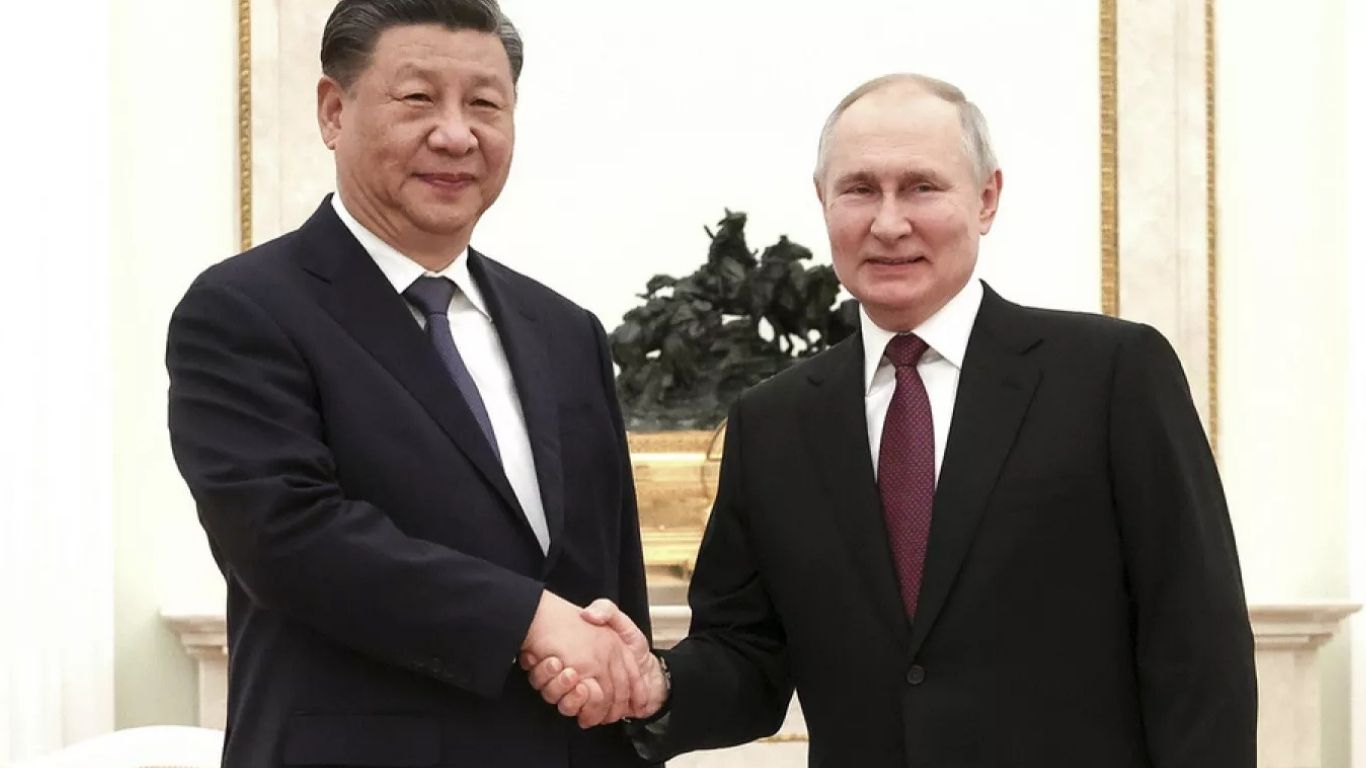
As the Israel-Iran conflict threatens to spiral into a wider regional war, Chinese President Xi Jinping and Russian President Vladimir Putin Warn Trump. They have seized the moment to position themselves as voices of restraint and reason while sending a pointed, if indirect, message to US President Donald Trump.
During a phone call on Thursday, Xi and Putin condemned Israel’s recent military actions, with the Kremlin labeling them a violation of the UN Charter and international law. The timing of their coordinated diplomatic front is notable, coming as Trump openly weighs whether the United States should join Israel in direct military action against Iran a move that could dramatically escalate the crisis.
China and Russia: Alternative Power Brokers
The optics of the Xi-Putin call were clear: both leaders are eager to cast their countries as alternatives to US power in the Middle East. While Putin’s condemnation of Israel was unequivocal, Xi’s tone was more measured. According to Beijing’s official readout, the Chinese leader urged “all parties, especially Israel,” to cease fire and prevent further escalation, carefully avoiding direct criticism of Israel.
Xi’s message was also a thinly veiled rebuke to Washington. He emphasized that “major powers” with influence over the conflict should work to “cool the situation, not the opposite” a remark widely interpreted as directed at Trump and the US administration. Chinese officials and scholars have long accused Washington of fueling instability in the Middle East, and the current crisis has given Beijing and Moscow a fresh opportunity to highlight what they see as the failures of American leadership.
Critique of US Policy and Trump’s ‘Forever War’ Dilemma
Chinese state media and academic voices have been quick to blame the current flare-up on the unpredictability of Trump’s second term and what they describe as his “chaotic, opportunistic, and transactional” approach to the region. Liu Zhongmin, a Middle East expert at Shanghai International Studies University, argued that Trump’s policies have undermined US credibility among its allies and weakened its ability to deter adversaries.
Online commentary in China has also noted the irony of Trump who once pledged to end America’s “forever wars” now considering deeper US involvement in yet another Middle Eastern conflict. Despite early signals that his administration would pivot to countering China in the Indo-Pacific, Trump has found himself drawn back into the region’s intractable disputes.
China’s Expanding Role in the Middle East
Beijing’s stake in the region has grown significantly in recent years. In 2023, China brokered a surprise rapprochement between Saudi Arabia and Iran, signaling its ambition to be a new powerbroker in the Middle East. China has deepened its strategic partnership with Iran, supporting it through oil imports, joint military exercises with Russia, and diplomatic backing at the United Nations. Iran is also a vital link in China’s Belt and Road Initiative, providing access to the Indian Ocean and critical energy supplies.
Both China and Russia have offered to mediate the Israel-Iran crisis, positioning themselves as peace brokers. Xi laid out four proposals for de-escalation, including renewed dialogue on Iran’s nuclear program and the protection of civilians. Chinese Foreign Minister Wang Yi has engaged in a flurry of diplomatic outreach, speaking with leaders across the region.
Limits of Beijing’s Influence
Despite these efforts, questions remain about China’s capacity to mediate such a complex and volatile conflict. While Beijing has presented itself as a neutral broker, its actual influence is limited by its lack of a security presence in the region and its close ties to Iran. Previous Chinese mediation attempts, such as during the early stages of the Gaza war, have yielded few tangible results.
Moreover, Beijing’s claims to neutrality are complicated by its support for Russia’s war in Ukraine, where China has provided diplomatic and economic cover for Moscow while calling for peace.
A Symbolic Win for China and Russia
Still, at a time when US global leadership faces growing skepticism particularly among countries in the Global South China and Russia’s calls for restraint may resonate. By presenting themselves as responsible stakeholders and alternatives to US interventionism, Xi and Putin are seeking to expand their influence and reshape the narrative around great power competition in the Middle East.
As the Israel-Iran crisis deepens and Trump weighs America’s next move, the world is watching to see whether Beijing and Moscow’s diplomatic gambit will translate into real influence or remain largely symbolic in a region still dominated by hard power and entrenched rivalries.