The World Bank, in an enthralling interview broadcast on television by Arise News on 13th May 2025, gave a jaw-dropping estimate of Nigeria’s economy, stating that Nigeria must increase its current rate of growth by five times if it is to actualize a $1 trillion economy. Guest speaker Uma, possibly an official or an analyst at the World Bank, broke down the monumental task ahead of the country, opening the debate on Nigeria’s development plan and economic policy. Having attracted 4,403 viewers and 56 likes within days, the interview already has policymakers, economists, and members of the public showing keen interest.
The $1 Trillion Challenge
Africa’s largest country, Nigeria, which has a population over 200 million, has long been seen as an economic giant waiting to be unleashed. Its current GDP, which ranges from $270 million to $300 million over the last few years, is far short of the objective target of $1 trillion. The World Bank’s five-fold projection, however, shows that Nigeria’s economy must grow at an unheard-of rate—more than 15 percent annually for a few years—to bridge the gap within the 2030 target often cited within national development plans. It is revealing, however, of the necessity for Nigeria to overcome structural inefficiencies, diversify sources of income, and leverage the relative youthfulness of the country as a source for productivity.
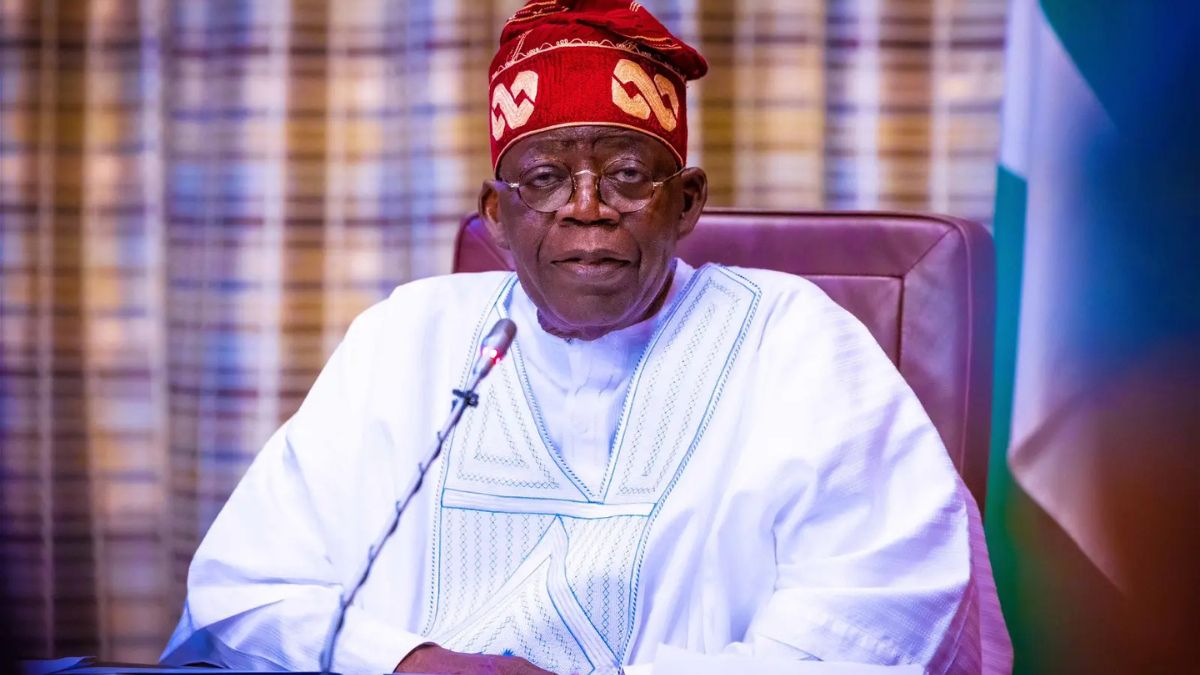
The interview is being done at a moment critical for Nigeria, when the government led by President Tinubu has initiated sweeping reforms since 2023. These have been ranging from phased withdrawal from fuel subsidies to currency rate harmonization, which have raised fiscal collections by an estimated 2-3% of GDP. While the reforms, however, have created short-term pains, inclusive of fuel price hikes and cost-of-living pressures, which have inflated poverty numbers, World Bank’s call for accelerating growth underlines the necessity for turning over the reforms into sustainable, inclusive economic growth.
Principal Economic Challenges
Uma’s remarks highlight some inherent challenges that Nigeria must overcome. First, the country’s growth rate, ranging from 3.4% to 4.6% between 2024 and the medium term, according to the National Bureau of Statistics, while positive, is insufficient for it to be the $1 trillion economy. Second, poverty remains a chronic issue, as over 40% of the Nigerian population lives beneath the poverty line, a feature that retards consumer spending and economy vitality. Third, infrastructure deficits and uneven policy implementation have, and still, scare-off foreign investments, a crucial component for rapid economic scaling.
The World Bank believes that high-potential opportunities within the agriculture, technology, and manufacturing industries must be targeted by Nigeria. The agricultural sector, which supports over 70% of rural dwellers, can be benefited by better agricultural practices and better market access. Concurrently, the technology industry, fueled by an emerging startup culture based within cities like Lagos, can be harnessed for the generation and provision of jobs and for export opportunities. Manufacturing, fueled by better power availability and industry policy, can reduce Nigeria’s reliance on imports and bolster its trade balance.
Global and Policy Implications
The five-year growth target aligns to international expectations from emerging economies to contribute to global economic stability. Success for Nigeria would be a model for other countries on the continent, most of which also struggle to balance population growth and reliance on resources. Realizing the target, however, will demand concerted efforts from the federal government, state governments, and also international institutions such as the World Bank and the International Monetary Fund (IMF).
Tinubu’s administration has shown interest in this cooperation, and negotiations lately have been focusing on technical assistance and borrowing. The World Bank’s call for inclusive growth, however, means that the loans must be spent on poverty alleviation and the creation of jobs, and not as a subsidy for government coffers. Programs like the National Social Investment Programme can be ramped up, while private sector cooperation can fuel infrastructure development like roads, railways, and renewable energy.
Future Directions
At this economic milestone for Nigeria, Arise News interview is a call to action. The full interview, which can be accessed on the Arise News website, includes further information of the World Bank’s suggestions and Uma’s detailed analysis. Arise News, which has 1.03 million subscribers, continues to be an important source of high-level interviews, and this one is no different.
The journey to a $1-trillion economy will be tough, but it is an opportunity for Nigeria to rewrite the narrative on its economy. The world waits with bated breath, and over the next few years, the country’s resolve to make the necessary investments and institutional changes to make this dream a reality will be tested. In the meantime, the World Bank’s message is clear: Nigeria’s economic tomorrow is contingent on bold, long-term growth.