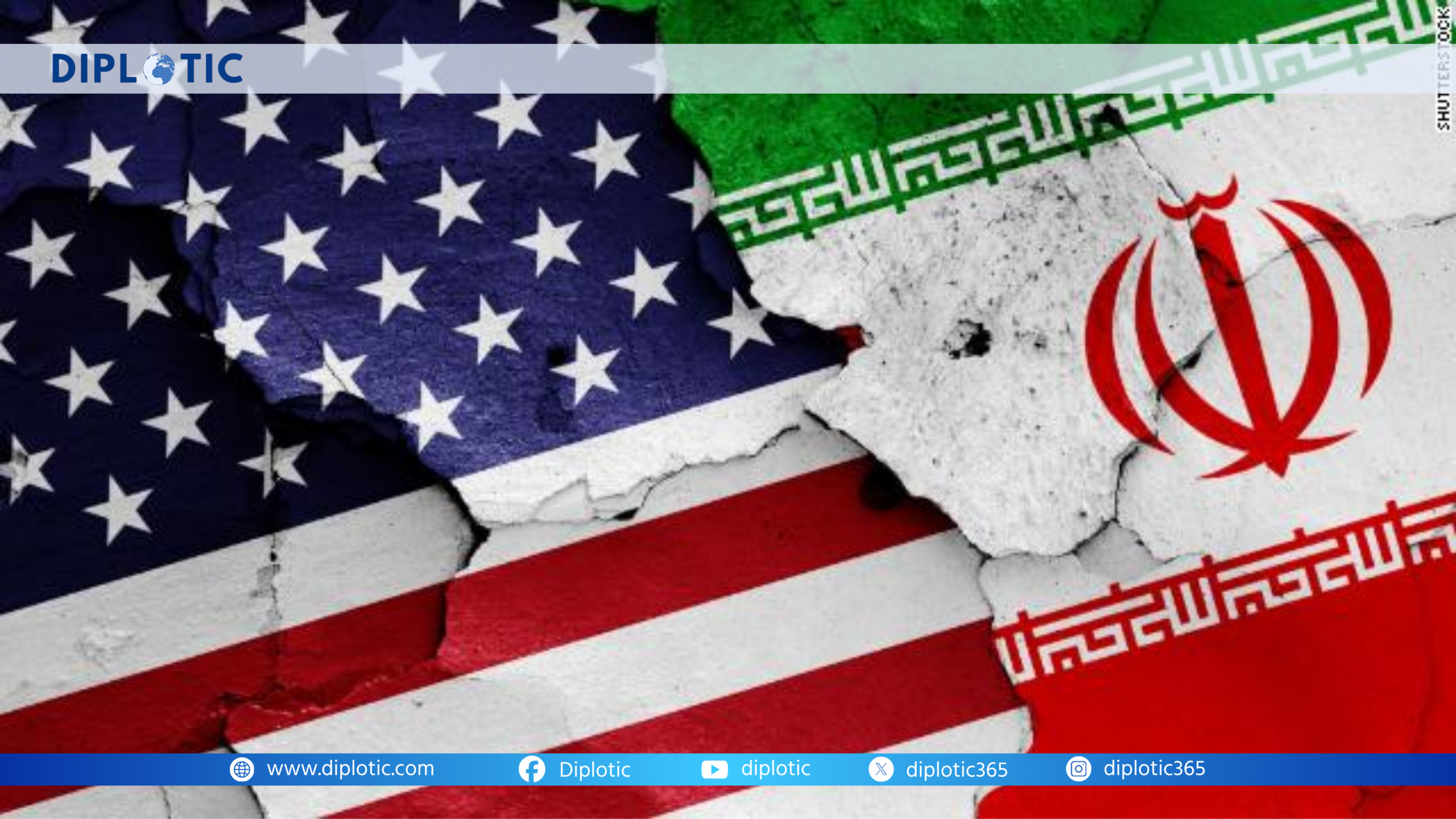
The year 2025 marks 25 years since the September 11, 2001 attacks that killed nearly 3,000 people in the USA. In response, President George W. Bush launched what he called the “global war on terror.” He said the goal was to protect civilization from threats. This effort has involved military actions in many countries, large spending, and changes in laws. It has shaped world events and US policy deeply. As the first quarter of the 21st century ends, questions arise about the results. Has it made the world safer? What costs have come with it in lives, money, and rights? Recent actions, like strikes linked to drug issues in Latin America, show the approach continues. Looking back offers a chance to examine facts and outcomes.
How Did the “War on Terror” Begin and Expand?
The attacks on September 11, 2001, led to quick US action. In October, forces entered Afghanistan to remove the Taliban government that sheltered al-Qaeda, the group behind the attacks. The operation aimed to stop terrorist bases. It succeeded in pushing out the Taliban fast, but fighting went on for 20 years until US withdrawal in 2021.
The campaign grew in 2003 with the invasion of Iraq. The US claimed Iraq had weapons of mass destruction and ties to terrorists. No such weapons were found, and links proved weak. The war removed Saddam Hussein but led to long unrest, with groups like ISIS rising later. Hundreds of thousands died in Iraq from direct violence and related issues.
Under President Barack Obama, the focus shifted to drone strikes and special forces. In 2016 alone, the US dropped over 26,000 bombs in seven countries, including Iraq, Syria, Afghanistan, Yemen, Somalia, Pakistan, and Libya. This was part of efforts against ISIS and other groups. Obama increased strikes but also set some rules to limit civilian harm.
President Donald Trump’s first term saw more strikes in places like Yemen and Somalia. Reports show strikes there tripled compared to earlier years. In his second term starting 2025, actions continued in Yemen against Houthis and expanded to new areas. For example, strikes targeted groups in Africa and boats near Latin America, framed as countering drug threats tied to terrorism.
Parallel views include sanctions as a tool. In the 1990s, sanctions on Iraq after the Gulf War linked to high child deaths, with estimates from 227,000 to 500,000 excess under-five deaths. These measures aimed to pressure governments but often hurt civilians most. The “war on terror” blended military force with economic pressure and alliances, like support for Israel in its conflicts. This broad scope raised debates on legality and effectiveness, as actions spread beyond initial targets.
What Human and Financial Costs Have Accumulated?
Studies provide estimates of the toll. The Costs of War project at Brown University, updated through recent years, finds over 940,000 direct deaths from post-9/11 wars in key areas like Iraq, Afghanistan, Syria, Yemen, and Pakistan. This includes fighters, civilians, and others killed in violence. Indirect deaths—from destroyed health systems, food shortages, and disease—add 3.6 to 3.8 million, for a total of 4.5 to 4.7 million.
US service members lost about 7,000 lives in major operations, with many more wounded or affected by health issues. Allies and contractors added to losses. Financial costs reached trillions, covering operations, veteran care, and interest on borrowed funds.
Civilian harm stands out. Drone strikes, meant for precision, sometimes hit wrong targets, like wedding groups in Yemen. Rules changed over time; some presidents loosened them for faster action, raising casualty risks. In Yemen, strikes under different leaders caused reported civilian deaths.
Related angles cover displacement and long effects. Millions fled homes, creating refugee crises. Economies suffered, with rebuilding slow. Health systems broke down, leading to disease spread. These impacts linger, affecting generations. Critics note hypocrisy: the US holds others accountable for rights but faces little for its actions. Supporters argue operations stopped attacks on US soil and weakened groups like al-Qaeda. Yet new threats, like ISIS branches, emerged in unstable areas. This mix shows high costs with mixed security gains.
How Has the Approach Evolved Under Recent Leaders?
Presidents shaped the effort differently. Bush started large invasions. Obama used technology like drones more, dropping thousands of bombs yearly. Reports confirm 26,171 in 2016 across multiple nations.
Trump’s first term increased strikes in some areas. In Yemen, early months saw more than prior years combined. His second term in 2025 brought new focuses. Strikes hit Houthis in Yemen and extended frameworks to drug issues. Actions included boat attacks near Venezuela and designations linking cartels to terrorism.
This shift blends counter-terror with anti-drug efforts. Officials justify it under old legal bases from 2001. Critics question if it fits original aims or stretches rules. Recent operations, like in Africa or the Caribbean, show ongoing activity.
Broader context includes alliances. Support for Israel grew, with aid during Gaza conflicts. This ties to regional stability views. Drone use continues, with debates on oversight. Some leaders tightened rules for civilian protection; others eased them.
Parallel insights from history show patterns. Past interventions, like in Latin America or Vietnam, aimed at threats but led to long conflicts. Here, 25 years brought no clear end. Groups adapt, using online tools for recruitment. Instability from wars creates spaces for new risks. This evolution raises if tactics adjust to realities or stay fixed.
What Lessons Emerge as the Campaign Enters Its Next Phase?
Twenty-five years of the “war on terror” offer points for thought. Direct actions weakened some groups but did not end threats. Attacks still happen, though fewer on US soil. Costs in lives—millions total—and money strain resources.
Civilian suffering highlights needs for care in operations. Rules and oversight matter for trust and law. Sanctions and strikes affect ordinary people most, sometimes more than targets.
Connecting past to present, the effort started with unity after 9/11 but faced growing questions. Recent extensions to new issues, like drugs, show it endures. Broader views suggest focus on causes—poverty, unrest, governance—could help more than force alone.
Global ties changed too. Alliances shifted; some partners joined, others distanced over methods. As threats evolve, like online radicalization or state rivals, pure military paths may limit results. Dialogue, aid, and rights focus might build lasting safety. The quarter-century mark urges balance: honor sacrifices while seeking better ways forward for shared security.