In the humid air of a secure Capitol Hill room last week, a small group of lawmakers sat in silence as grainy video footage played on a screen. The images showed a U.S. drone closing in on a small boat bobbing in the Caribbean Sea, followed by an explosion that sent debris flying. Then came a second blast, targeting two figures clinging to wreckage. This was no ordinary briefing. It revealed details of a September 2, 2025, airstrike that has split Congress and raised questions about the boundaries of military power. As Democrats called it troubling and Republicans stood firm in support, the event exposed deeper rifts over how far the United States should go to stop drugs from reaching its shores. With tensions rising toward Venezuela and more strikes underway, the incident invites a closer look at what happened, why opinions differ so sharply, and what it means for rules that have guided U.S. actions abroad for decades.
What Exactly Happened During That Fateful Strike Off Trinidad?
The story begins on a clear morning in early September, when U.S. surveillance spotted a speedboat cutting through international waters near Trinidad. Intelligence reports claimed it carried drugs and members of a Venezuelan cartel known for violence. Under orders from the Trump administration, a drone from the U.S. Southern Command fired its first missile, sinking the vessel and killing nine people on board. But as smoke cleared, spotters saw movement—two survivors, adrift and unarmed, holding onto floating debris. What followed has become the heart of the controversy: a second strike, approved by Admiral Frank M. Bradley, head of U.S. Special Operations Command, that ended those lives as well. This double-tap approach, as military experts call it, is not new in counterterrorism operations, but applying it here, against suspected smugglers rather than active fighters, has drawn intense scrutiny.
To understand the sequence, consider the context of that day. The boat was part of a suspected route used by groups like Tren de Aragua, a gang the U.S. labels a terrorist organization for its role in trafficking cocaine and fentanyl northward. Officials later confirmed drugs were found in the wreckage, though no public evidence has detailed the cargo’s size or the crew’s exact ties to cartels. Defense Secretary Pete Hegseth, a former Army officer and Fox News host confirmed in January 2025 despite personal controversies, had pushed for aggressive action against such threats. In briefings before the strike, he reportedly stressed eliminating risks completely, though he later denied any direct order to leave no survivors. Admiral Bradley, with decades as a Navy SEAL, made the final call, citing the need to neutralize a potential ongoing danger.
Eyewitness accounts from the briefing paint a vivid picture. Democratic Representative Jim Himes of Connecticut, a key figure on the House Intelligence Committee, described the video as showing “two individuals in clear distress, without any means to move, with a destroyed vessel.” He noted that without full context—like the men’s cartel links or the drugs aboard—viewers might see it as the U.S. military targeting helpless sailors. Yet Bradley’s explanations during the session highlighted tactical concerns: the survivors could signal for help or hide evidence, prolonging the mission. This tension between immediate threat and humanitarian pause lies at the core of the debate.
Digging deeper reveals patterns in how these operations unfold. The U.S. has long patrolled Caribbean waters through joint task forces, boarding suspicious vessels under laws like the Maritime Drug Law Enforcement Act. But this strike marked a shift to lethal force from afar, bypassing captures that were standard before. Related angles include the human cost: families of the dead, mostly Venezuelan nationals, have spoken out through international channels, denying cartel involvement and calling for independent probes. One parallel insight comes from past interdictions, where 90 percent of seizures happen without violence, suggesting non-lethal options like tracking and arrests were viable here.
As the footage rolled, it also sparked questions about preparation. Pentagon sources say contingency plans existed for survivors, including rescue or detention protocols, but these were overridden in the heat of the moment. Hegseth’s public comments evolved over weeks—from praising the “lethal kinetic strike” on Fox to expressing confidence in Bradley without specifics. President Trump, in a candid aside on Air Force One, hinted he might not have greenlit the second hit, adding to the sense of internal second-guessing. By December, with the briefing behind them, calls grew for releasing the unedited video to the public, led by Senate Armed Services Ranking Member Jack Reed, who sees it as the starting point for a full inquiry.
This single event, though brief, mirrors broader challenges in modern warfare: when does defense against crime become an act of war? The answer shapes not just this case but how the U.S. balances security with its global image. (Word count: 612)
Why Did the Congressional Briefing Reveal Such Stark Divisions Among Lawmakers?
When the lights dimmed in that classified room, reactions split along party lines almost instantly, turning a shared viewing into a microcosm of Washington’s polarization. Democrats like Reed and Himes emerged shaken, labeling the footage “deeply disturbing” and one of the most troubling sights in their careers. Republicans, including House Intelligence Chairman Rick Crawford and Senator Tom Cotton, left satisfied, voicing trust in Hegseth and the chain of command. This divide was not just emotional; it reflected differing views on military authority, drug policy, and even the role of evidence in oversight.
At its root, the split ties to interpretations of context. Democrats emphasized the visuals: shipwrecked men, no visible weapons, no immediate threat. Himes argued that broader details—like drug loads or cartel IDs—do not erase the appearance of targeting the vulnerable, potentially violating rules against attacking those hors de combat, or out of the fight. Reed pushed for transparency, insisting the full video must go public to let Americans judge for themselves. Their concerns extend to accountability: without it, they fear a slippery slope where executive orders bypass congressional checks, echoing debates over past drone programs in Yemen and Somalia.
Republicans countered with operational realities. Crawford called himself “confident” post-briefing, pointing to Bradley’s expertise and the confirmed narcotics find as proof of a valid threat elimination. Cotton dismissed any disturbance, framing the strike as a necessary response to cartels that kill thousands yearly through overdoses. This view aligns with a long-held GOP stance on tough border security, now extended seaward. Yet even here, cracks show: some Republicans, like Representative Mike Turner, flagged the second strike as potentially illegal if it ignored surrender signals, hinting at unease beyond party loyalty.
Background context adds layers. Congress has oversight tools, like the War Powers Resolution, but enforcement is spotty—presidents from both parties have launched strikes with minimal notice. The briefing, limited to committee leaders, amplified frustrations; broader access might have softened edges or widened rifts. A related angle is the human element in lawmaking: many Democrats represent coastal districts hit hard by fentanyl, yet prioritize legal bounds, while Republicans from heartland states see drugs as an invasion warranting force.
Parallel insights emerge from history. The 1989 Panama invasion, aimed partly at drug lord Manuel Noriega, drew similar partisan fights—Democrats decried overreach, Republicans hailed decisive action. Today, with Hegseth’s outsider status as a media figure turned Pentagon chief, trust issues compound. His confirmation battles over misconduct allegations linger, fueling Democratic skepticism. Meanwhile, White House Press Secretary Karoline Leavitt defended Bradley as acting “within authority and law,” but Trump’s offhand remarks sowed doubt even among allies.
As lawmakers dispersed, bipartisan calls for investigation surfaced, though momentum stalls on details. Van Hollen, a Foreign Relations Democrat, labeled it “very likely a war crime,” tying it to regime change aims in Venezuela. Blumenthal echoed that Hegseth lacks presidential immunity for such calls. On the GOP side, quiet support for probes aims to clarify without undermining the mission. This briefing, then, was less about consensus than exposing fault lines—ones that question not just one strike, but the framework for future decisions. How Congress navigates them will test its role in curbing unchecked power. (Word count: 548)
How Has This One Strike Fueled a Wider U.S. Push Against Caribbean Drug Routes?
The September 2 incident was no isolated blip; it kicked off a sustained campaign that has reshaped U.S. naval presence in the region. By early December 2025, the military had logged 22 strikes across the Caribbean and eastern Pacific, killing at least 86 people on suspected trafficking vessels. The latest, on December 4 off Colombia, claimed four more lives, with video shared by Southern Command to underscore the ongoing hunt. What started as a targeted response has ballooned into a pattern, prompting questions about escalation and its roots in America’s long war on drugs.
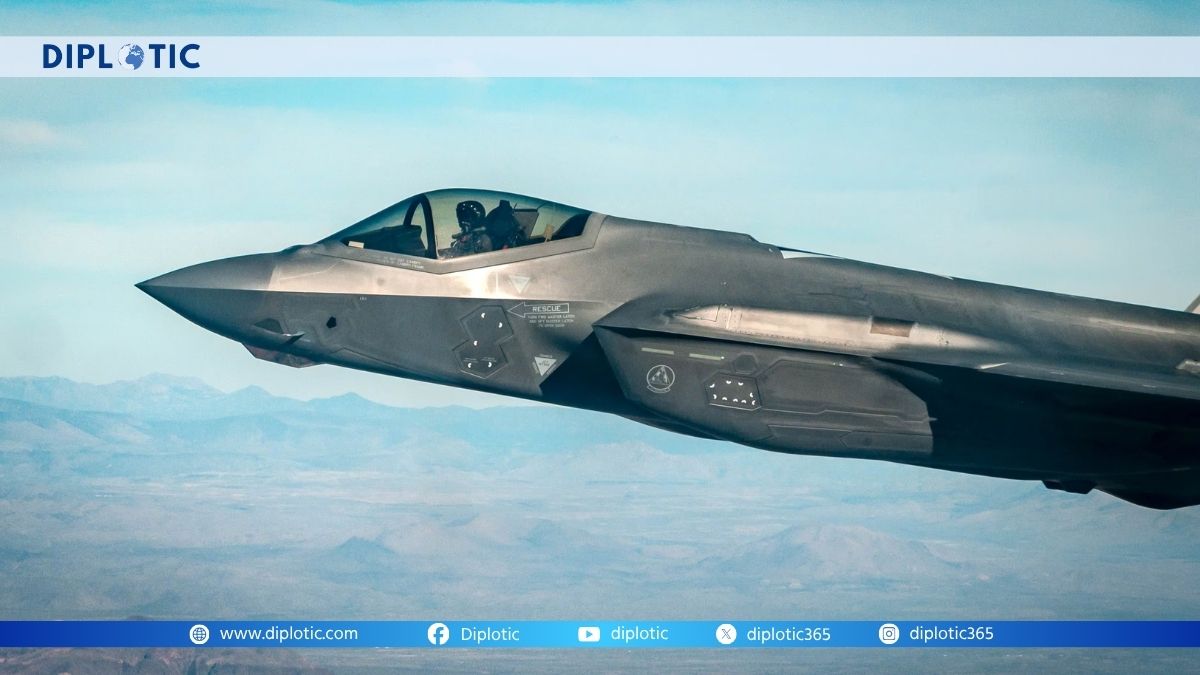
Trace the buildup: In August, amid record fentanyl deaths—over 100,000 annually—the administration surged assets, deploying the USS Gerald R. Ford carrier, submarines, and F-35 jets. Trump framed it as self-defense against “narco-terrorists,” equating smuggling to armed invasion. Hegseth echoed this, authorizing “lethal kinetic” measures to disrupt routes from Venezuela, where officials allege President Nicolás Maduro’s inner circle runs the Cartel of the Suns, a military-linked trafficking network. Maduro denies it, calling the strikes aggression masked as anti-drug efforts.
Related angles highlight the stakes. Caribbean routes handle 20 percent of U.S.-bound cocaine, per UN estimates, fueling violence in transit nations like Trinidad. Non-lethal patrols seized tons last year, but the shift to airstrikes reflects frustration with captures—many boats evade or crews claim ignorance. A parallel insight: similar “double-tap” tactics in Yemen against Houthis aimed at militants, but experts note smugglers lack that status, blurring lines between policing and warfare.
The campaign’s scope raises efficiency queries. Strikes cost millions per sortie, versus cheaper interdictions, and risk collateral damage—fishing boats misidentified as threats. Venezuelan responses include bolstering coastal defenses, heightening accident odds. Broader context: U.S.-Venezuela ties, strained since 2019 sanctions, mix oil disputes with migration crises; drugs serve as a flashpoint. Trump’s recent vow of “land strikes very soon” escalates fears, knowing routes and hideouts, he said.
This push connects dots from border walls to sea patrols, but at what price? With 87 dead and counting, it demands weighing gains against ethical costs. (Word count: 378)
Do International Rules Hold Up Against America’s Anti-Drug Strikes?
Legal scholars watching this unfold see a fundamental clash: the U.S. claims self-defense under UN Charter Article 51, treating cartels as combatants in an armed conflict. But most experts counter that drug smuggling, however deadly, isn’t an “armed attack” justifying lethal force—it’s crime, handled by arrests, not missiles. This gap has turned the campaign into a test of global norms, with the September strike as exhibit A.
Break it down: Under jus ad bellum, or the law on starting force, no UN Security Council nod exists, and smuggling falls short of the gravity needed for self-defense, per ICJ rulings like Nicaragua v. U.S. Rebecca Ingber of Cardozo Law calls the no-survivors directive “absolutely unlawful,” amounting to murder outside war. Former ICC prosecutor Luis Moreno Ocampo goes further, labeling the strikes crimes against humanity—systematic civilian attacks in peacetime.
Even if framed as war, jus in bello rules falter. Distinction demands separating fighters from civilians; boats carry crews, not soldiers. Proportionality weighs harm against gain—sinking vessels to stop drugs seems excessive when boarding works. French officials and UN experts decry it as extrajudicial killings, violating sea law.
Background: The U.S. pioneered drone ethics post-9/11 but faces blowback for overreach. Related views: Yale’s Oona Hathaway notes service members risk war crime charges if they follow illegal orders. Domestically, it skirts War Powers, lacking Congress’s okay.
This scrutiny questions if anti-drug zeal erodes rules built post-World War II. As calls mount for ICC probes, the U.S. must reconcile might with right. (Word count: 312)
In reflecting on these waters turned battlefield, the September strike links a gritty past of interdictions to a precarious future where lines blur between defense and dominance. If unaddressed, it risks isolating America, straining alliances, and inviting retaliation—reminders that true security demands law as much as force. The coming months, with probes and possible escalations, will show if lessons stick or fade into the next horizon.