

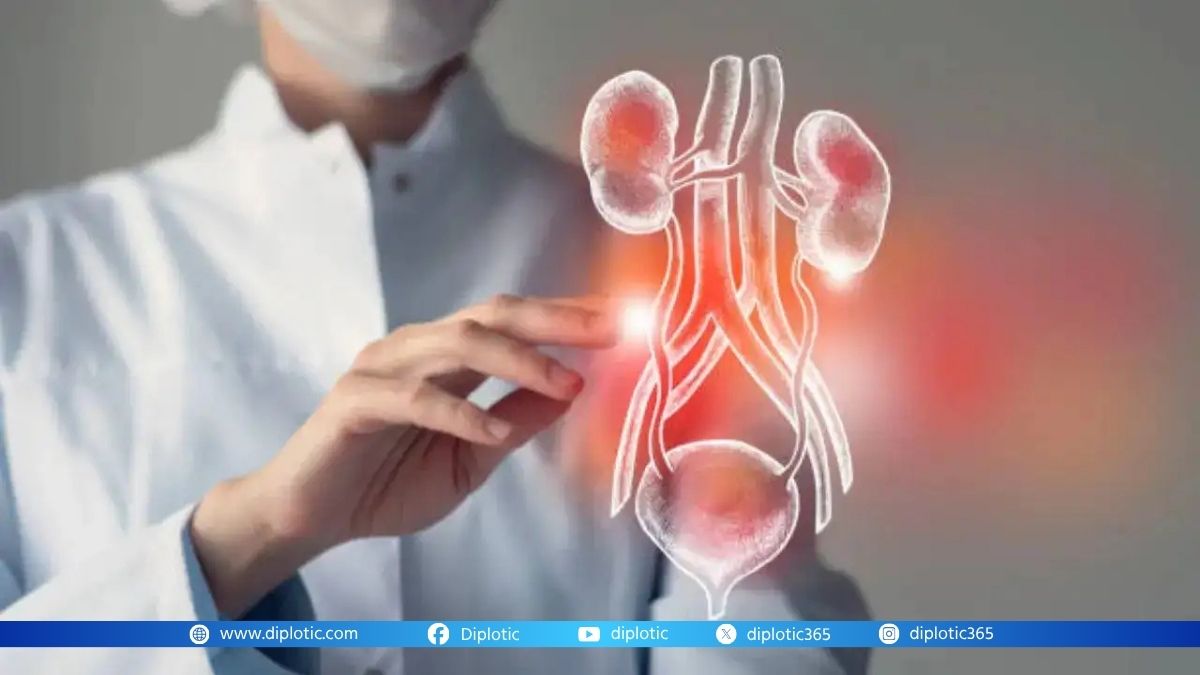
In a groundbreaking medical discovery, scientists have created a method to make kidney transplants universally compatible with all blood types using enzymes to strip away blood-type antigens. This innovation could transform organ transplantation and save countless lives.
A Medical Breakthrough That Could End Organ Waitlists
For decades, the world of organ transplantation has been limited by one crucial factor blood type compatibility. A person’s blood type determines whether their body will accept or reject a donor organ. For instance, patients with blood type A can only receive organs from type A or type O donors, while type O recipients can only accept organs from other type O donors. This restriction dramatically reduces the pool of available donors and often leads to long waiting lists and, tragically, preventable deaths.
However, scientists have now discovered a revolutionary method that could make kidney transplants universally compatible, regardless of blood type. The findings mark one of the most promising advancements in transplant medicine in recent years potentially eliminating one of the biggest barriers in organ donation.
How Scientists Created a Universal Kidney
The breakthrough stems from pioneering research led by Stephen Withers, a biochemist at the University of British Columbia, in collaboration with Avivo Biomedical, a biotech firm focused on innovative transplant solutions.
Building on earlier studies from 2019, researchers identified specialized enzymes capable of removing “A” and “B” type sugar antigens that coat the surface of red blood cells and organ tissues. These antigens are what the immune system recognizes when determining whether a tissue is foreign or compatible.
To test this theory, scientists used the enzymes to convert a type A kidney into a type O the universal donor blood type. In essence, they “wiped clean” the markers that cause rejection. Withers described the process as “removing the red paint from a car to reveal the neutral primer beneath.”
These enzymes acted like molecular scissors, cutting away the type A antigen chains at the microscopic level. When the modified kidney was transplanted into the body of a brain-dead recipient, the organ was well tolerated for two days with no initial signs of antibody-mediated rejection a major success for the field of organ transplantation.
Why Blood Type Compatibility Matters in Organ Transplants
Just as with blood transfusions, organ transplants must align with the recipient’s immune profile. The immune system uses antigens proteins and sugar molecules to identify what belongs in the body and what does not. When a mismatched organ is introduced, the immune system attacks it, leading to rejection and potentially fatal complications.
People with type O blood, for example, are considered universal donors but can only receive type O organs, creating a critical supply shortage. On the other hand, type AB individuals can receive from any blood type but represent a small fraction of the population.
This new research could fundamentally change the landscape of transplant compatibility, making “universal organs” a reality and drastically improving survival rates and accessibility.
Promising Results, but More Work Ahead
Although the initial trials have shown promising results, the research is still in its early stages. After three days of observation, scientists noted mild immune responses, including “antibody-mediated lesions and complement deposition,” suggesting that the procedure requires further refinement before it can be safely tested in living patients.
Still, experts call this an unprecedented leap toward universal transplantation. The ability to remove blood-type antigens effectively neutralizes one of the most complex barriers in organ matching.
Withers and his team emphasize that the enzymes are “highly active and highly selective,” functioning effectively even at low concentrations. This precision minimizes potential side effects and ensures the tissue remains viable.
From Kidneys to Blood and Beyond
The implications of this breakthrough extend far beyond kidney transplants. Avivo Biomedical is now preparing for clinical trials aimed at expanding this enzyme-based approach to other organs and universal donor blood.
If successful, the same process could be applied to liver, lung, and heart transplants, as well as blood transfusions, where blood-type compatibility continues to pose logistical challenges in emergencies. This could help reduce transplant waiting lists, speed up surgical preparation, and save thousands of lives every year.
A Future Without Organ Shortages
Experts in regenerative medicine view this discovery as a game-changer for the global healthcare system. As research in 3D bioprinting, organ revival, and cellular engineering continues to advance, the dream of a world without transplant waiting lists seems closer than ever.
The concept of a “universal organ” means that in the future, anyone in need of a kidney could receive one almost immediately — regardless of their blood type. Doctors could focus on other complex matching factors, such as tissue and genetic markers, improving long-term transplant success rates and overall patient outcomes.
Hope for Millions
While more trials and regulatory approvals lie ahead, this discovery paves the way for a revolution in organ transplantation. The combination of enzymatic engineering, biotechnology, and ethical medical research could soon make organ compatibility barriers a thing of the past.
As Withers summarized, the study has provided “invaluable insight into how to improve long-term outcomes” a sentiment shared by transplant experts worldwide.
If this technology continues to develop successfully, humanity may one day enter an era where no one dies waiting for a donor organ, and life-saving transplants become universally accessible to all.




