As the world watches the ongoing war in Ukraine, the conflict has become a crucible for strategic lessons with profound implications for the Indo-Pacific. Both China and Taiwan are extracting hard-earned insights from the battlefield, recalibrating their strategies and policies in anticipation of future crises. The stakes could not be higher: the lessons learned today may determine the fate of Taiwan and the balance of power in Asia tomorrow.
A Blueprint for Deterrence and Resilience
The Russian invasion of Ukraine shattered assumptions about the security of smaller democracies in the face of powerful authoritarian neighbors. For Taiwan, the war has transformed what was once seen as a remote threat into a credible and urgent possibility. The phrase “Ukraine today, Taiwan tomorrow” now echoes through Taiwan’s defense and political circles, underscoring a new sense of vulnerability and resolve.
Taiwan’s Bold Military Reforms: Building a Credible Deterrent
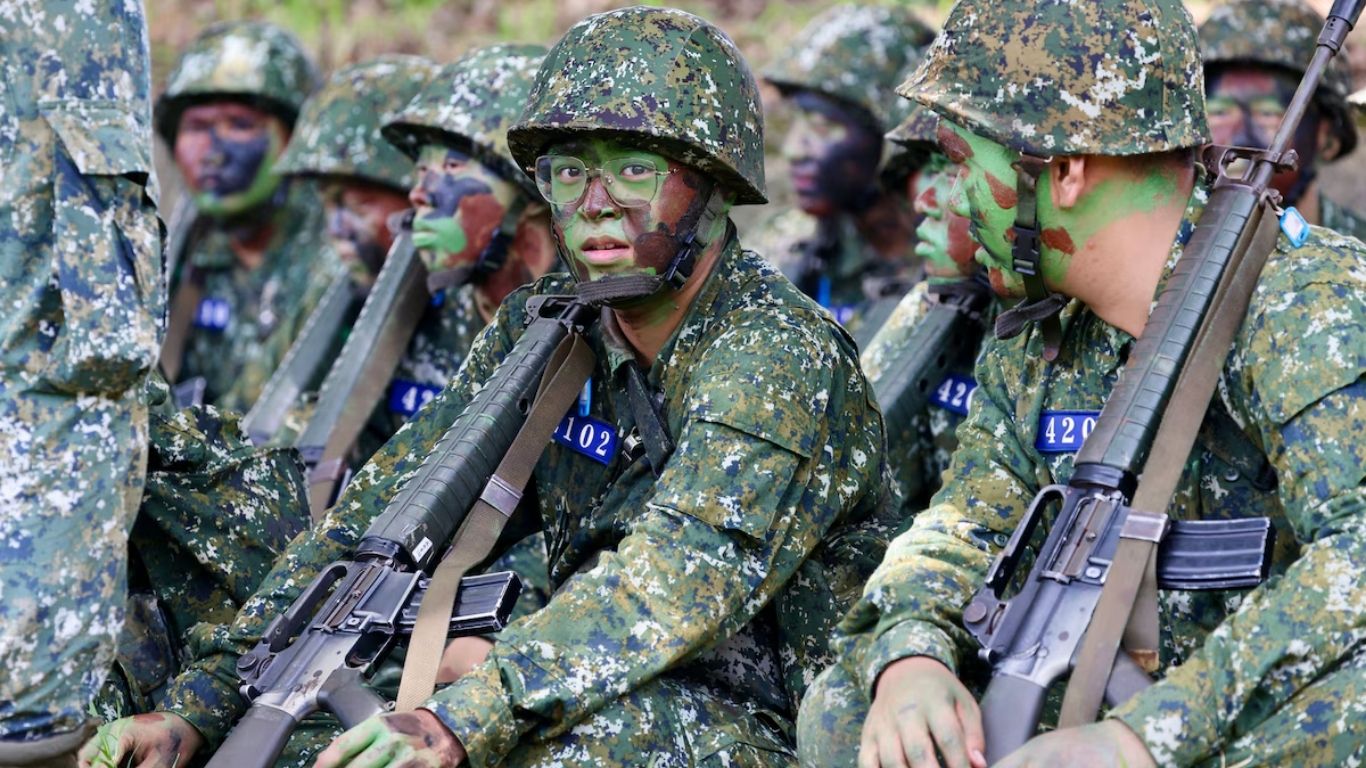
In direct response to Ukraine’s experience, Taiwan has launched sweeping reforms to transform its military into a robust deterrent and warfighting force. Key changes include:
- Extending Conscription: Taiwan has lengthened mandatory service terms for conscripts, ensuring a larger, better-trained pool of defenders.
- Revamping Training: Military training cycles have been revised to emphasize readiness, adaptability, and resilience, mirroring Ukraine’s flexible defense.
- Embracing Technology: The conflict has highlighted the value of uncrewed autonomous systems and the critical importance of satellite communications for battlefield awareness and command.
- Defending Against Hybrid Threats: Taiwan is prioritizing cyber defense and countering disinformation, learning from Russia’s use of information warfare.
These reforms are designed to make any potential invasion by China costly, complicated, and uncertain a powerful deterrent in itself.
China’s Calculus: Invasions Are Hard, Especially Across Water
Chinese leaders, particularly President Xi Jinping, are watching Ukraine’s war with keen interest and caution. The logistical and operational challenges Russia faced despite a land border and favorable terrain—underscore the immense difficulty of mounting an amphibious invasion across the Taiwan Strait.
- Geographic Barriers: Taiwan’s mountainous terrain, limited invasion beaches, and 100-mile-wide strait present formidable obstacles. Amphibious operations require air and naval superiority, something China cannot guarantee against U.S. and allied forces.
- Naval and Air Power: The U.S. Navy’s regional presence and Taiwan’s own defenses make maritime dominance a decisive and daunting challenge for Beijing.
- Economic Risks: Unlike Russia, China is deeply integrated into global supply chains. Any conflict would disrupt trade, spike insurance costs, and threaten the domestic stability that Beijing prizes.
The Battle for Legitimacy
Unlike Ukraine, Taiwan’s ambiguous international status complicates global responses to potential aggression. While Ukraine enjoys broad recognition and support, Taiwan faces systematic diplomatic isolation, with Beijing leveraging its influence to block Taipei from international organizations and shape global narratives.
- Coalition Building: The lack of de jure recognition makes it harder to frame an invasion as unlawful aggression, limiting the ability to build a robust international coalition.
- Narrative Control: China’s extensive information campaigns aim to legitimize its claims over Taiwan and marginalize the island’s democratic legitimacy in global forums.
Strategic Patience: China’s Likely Approach
Given the military, economic, and diplomatic complexities, China is more likely to pursue a long-term strategy of diplomatic and informational pressure, backed by military actions short of war3. Unless Taiwan declares formal independence, Beijing appears inclined to “win without fighting” isolating Taiwan and eroding its will to resist through non-kinetic means.
Conclusion: A New Era of Strategic Competition
The war in Ukraine has become a masterclass in modern conflict, offering Taiwan both a warning and a roadmap. By rapidly reforming its military, investing in resilience, and learning from Ukraine’s experience, Taiwan is signaling its determination to deter aggression and defend its democracy.
For China, the lesson is clear: invasions are perilous, especially when the target is well-prepared and the world is watching. The next chapter in the Taiwan Strait will be shaped by these power lessons where strategy, resilience, and the ability to adapt may prove more decisive than sheer might.