Ukraine pushess for urgently proposes new high-level ceasefire talks with Russia. As US President Trump issues a 50-day ultimatum for peace or face severe tariffs, tensions rise, and doubts remain about a breakthrough.
Ukraine Urges Swift Ceasefire Negotiations as US Deadline Looms
Ukrainian President Volodymyr Zelensky has amplified calls for immediate and direct negotiations with Russia, aiming to advance stalled ceasefire efforts that have persisted since the start of the war in 2022. Speaking during his daily address on Saturday, Zelensky announced that Ukraine is prepared for a new round of talks next week and has already extended an official proposal to Moscow through Rustem Umerov, Secretary of the National Security and Defense Council.
“The dynamics of the negotiations must improve. We need to do everything possible to achieve a ceasefire. The Russian side must stop avoiding decisions regarding prisoner exchanges, the return of children, and the cessation of killings,” Zelensky emphasized.
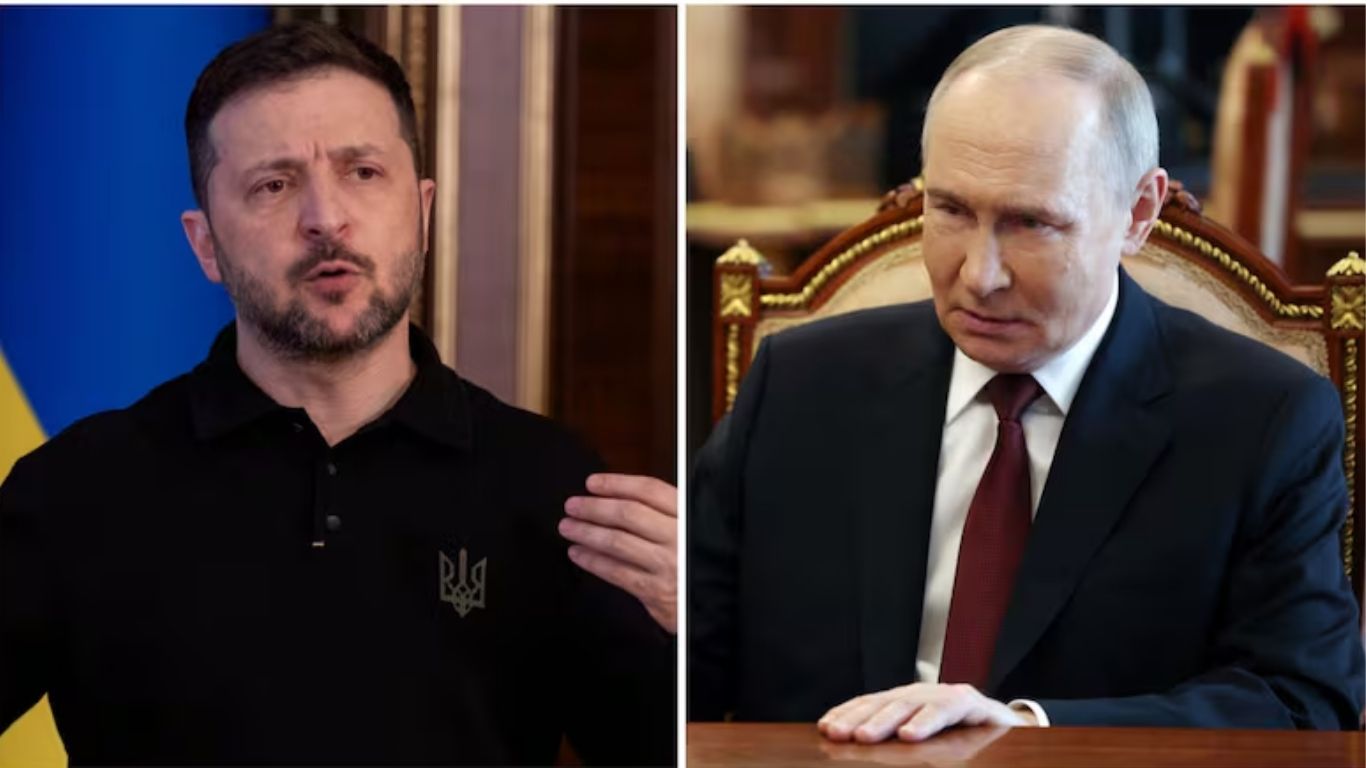
The Ukrainian president drove home the point that only a meeting at the “leadership level” potentially between him and Russian President Vladimir Putin could result in a genuine path to peace. He stated, “A meeting at the leadership level is essential to genuinely secure peace. Ukraine is ready for such a meeting.”
Moscow’s Reluctant Receptivity
Russian state media confirmed that Kyiv’s latest offer for talks had been received, yet the Kremlin’s signals remain ambivalent. Kremlin spokesman Dmitry Peskov commented that Russia is ostensibly “ready to move quickly” toward a peace deal but reiterated Moscow’s intent to “achieve its objectives” first, with little indication of a softened stance.
While President Putin has repeatedly claimed a desire for a peaceful settlement, Russia continues to intensify military strikes across Ukraine. Analysts warn that Moscow’s stated goals such as the withdrawal of Ukrainian forces from annexed regions and Kyiv’s renunciation of NATO aspirations remain key stumbling blocks that Ukraine and its Western allies flatly reject.
Peskov explained, “It’s a long process that requires effort, and it’s not simple. Our goals are clear,” suggesting that Russia’s maximalist demands are still non-negotiable from the Kremlin’s perspective.
Previous Talks Foundering on Old Fault Lines
The call for urgent talks comes in the shadow of failed previous negotiations. The last attempt at high-level ceasefire talks in Istanbul in early June resulted in little more than a perfunctory hour-long meeting, which ended with no meaningful progress. Russian officials presented far-reaching territorial demands, reiterating a position Ukraine has persistently refused: no concessions on territory in exchange for peace.
Though past rounds have led to prisoner exchanges, they have failed to yield breakthroughs on core issues of sovereignty, territorial integrity, and justice for allegedly abducted Ukrainian children.
US President Trump’s “50-Day Ultimatum”: Global Diplomatic Pressure Mounts
The renewed momentum for talks has been heavily influenced by the United States, where President Donald Trump has adopted a notably tougher stance. Earlier this week, Trump issued a 50-day deadline for Moscow to secure a ceasefire or suffer the consequences of “very severe tariffs” on Russian goods. These would be further backed by “secondary tariffs” on any countries continuing to buy Russian oil an aggressive move with potentially global economic aftershocks.
“We’re going to be doing very severe tariffs if we don’t have a deal in 50 days,” Trump declared, underscoring that he sees trade as an effective weapon to “settle wars”.
Trump has conducted several high-profile policy pivots: on one hand, he has authorized greater arms sales to Ukraine via NATO allies; on the other, he publicly cautioned Zelensky against ordering strikes on Moscow, drawing lines in both military and diplomatic spheres.
Limited Optimism and Heightened Skepticism
Despite US diplomatic and economic pressure, skepticism abounds regarding prospects for a real breakthrough. Western analysts and Ukrainian officials warn that the 50-day window may do little to deter Putin from intensifying Russia’s ongoing summer offensive, possibly using the time to try to improve Moscow’s position on the battlefield.
Russian Foreign Minister Sergey Lavrov has dismissed the US threats, deriding them as just more bluster and pointing out that previous Western deadlines have come and gone with little real impact. “Fifty days it used to be 24 hours. It used to be 100 days; we’ve been through all of this,” Lavrov quipped.
The Stakes: Peace, Pressure, and Persistence
As Ukraine pushes to reinvigorate stalled diplomatic efforts and US pressure mounts, the fate of peace in Eastern Europe hangs in the balance. The next week could set the tone for the remainder of 2025 either ushering in a breakthrough or cementing a brutal new status quo.
Ukraine’s drive for a high-level summit with Moscow comes at a critical juncture, where time, patience, and the willingness to compromise are in short supply and global attention is tightly focused on whether words can finally give way to action.