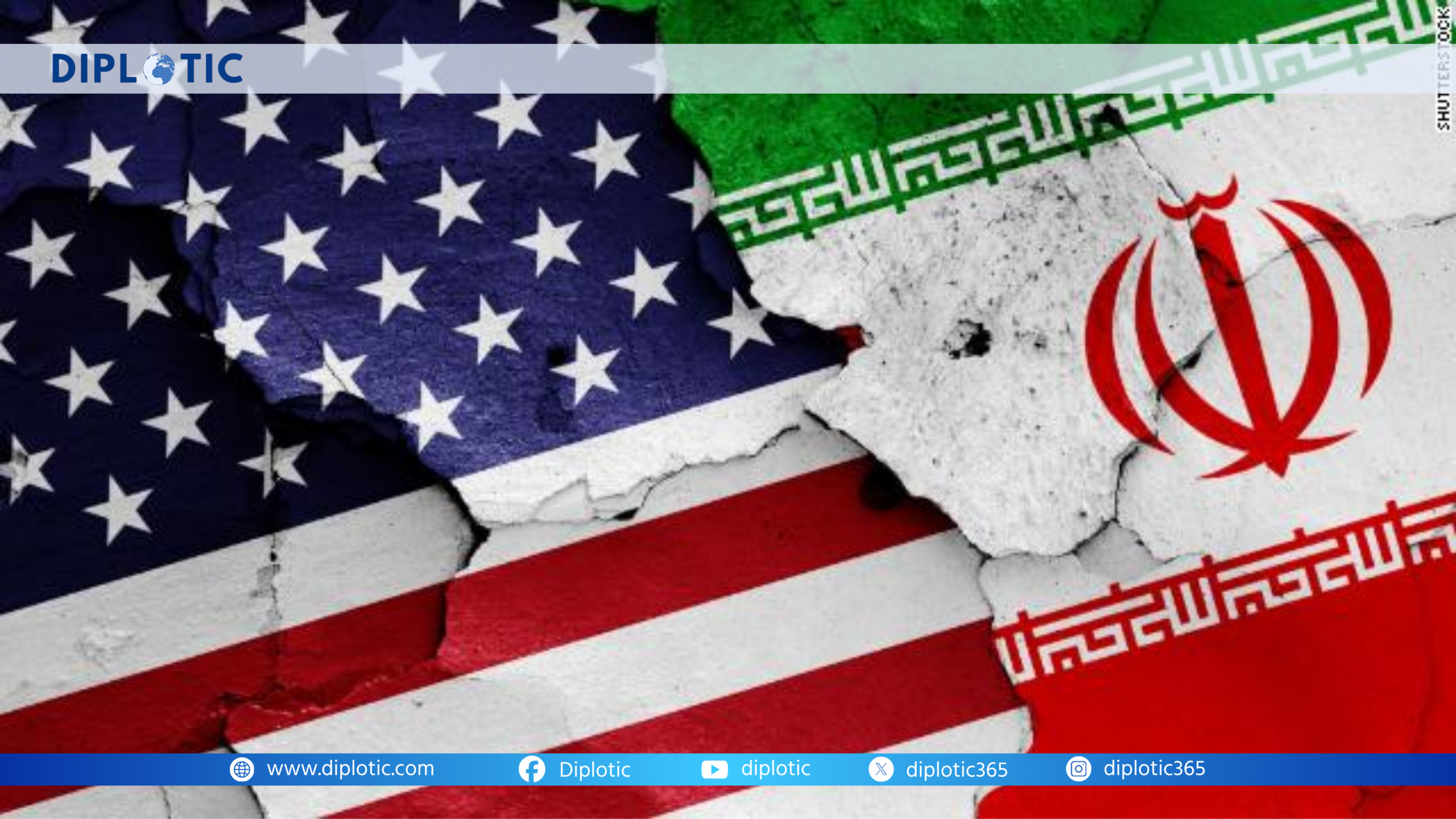
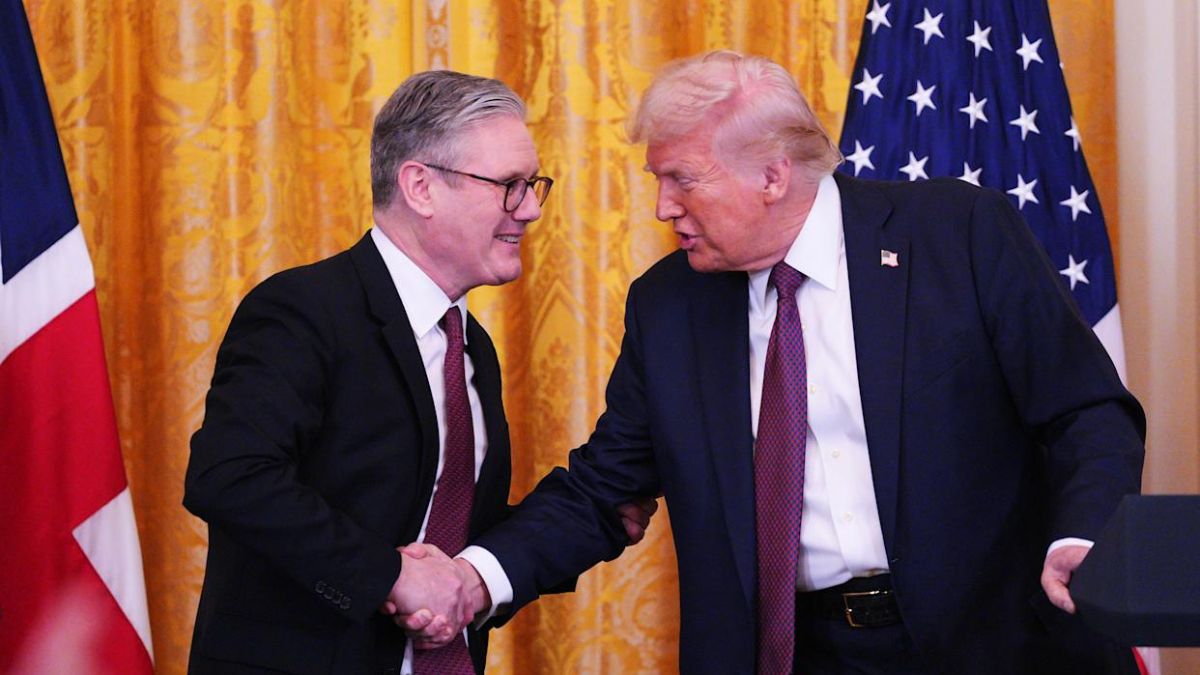
As the Trump administration announces a new U.S.-U.K. trade agreement, a wave of skepticism threatens its impact. Recent polling reveals that both American and British citizens widely support trade cooperation, but lack confidence in Donald Trump’s ability to honor international deals. With nearly half of Americans and a significant portion of Trump’s own voters citing his unpredictability as a major obstacle, this raises deep concerns about the stability of U.S. trade policy. Amid ongoing tariff disputes, damaged alliances, and growing international trust in China, the United States faces a credibility crisis that could have lasting economic repercussions. Discover how Trump’s volatile trade approach is influencing global markets, reshaping alliances, and undermining long-term economic growth.
U.S. Economic Trust as U.K. Deal Highlights Global Doubts
As the Trump administration races to finalize a U.S.-U.K. trade agreement ahead of a July 8 deadline, a fresh wave of skepticism clouds its economic ambitions. A new POLITICO-Public First poll reveals a profound lack of confidence in Donald Trump’s commitment to upholding trade deals—an alarming signal for U.S. economic credibility both at home and abroad.
Despite broad public support in both countries for a trade deal, less than a third of U.K. respondents and only 44% of Americans believe Trump would actually honor it. A staggering 47% of Americans identified Trump’s unpredictability as the top barrier to successful trade negotiations. This lack of trust is not merely political—it reflects a deeper concern about economic stability, long-term partnerships, and U.S. reliability in global markets.
U.S. Economy at Risk from Erratic Tariff Strategy
The administration’s trade strategy has sparked volatility across multiple sectors. While the new U.S.-U.K. deal promises tariff relief on British automobiles, steel, and aluminum, and opens up British markets to U.S. agriculture, ethanol, and machinery, it strategically avoids thornier issues—likely a reflection of fragile trust on both sides.
The inconsistent application of tariffs has left major industries reeling. Trump’s steep 25% tariffs earlier this spring significantly impacted the U.K.’s $11.8 billion automotive export market and its steel industry, despite the U.S. enjoying a trade surplus with Britain in 2024. This inconsistent economic behavior fuels market uncertainty and damages investor confidence.
Global Allies Turning Toward China Amid U.S. Volatility
Perhaps most concerning is the growing perception that China may be a more reliable economic partner than the United States. According to the same poll, 42% of British adults now view China as more dependable—particularly among younger adults under 34. This shift in perception comes as China launches a strategic charm offensive, deepening ties with the European Union and Asian economies.
Trump’s trade policy—marked by sweeping, unpredictable tariffs—has not only alienated allies like the EU and Canada but risks driving key partners into China’s economic sphere of influence. These moves could seriously erode America’s global leadership in trade and weaken its ability to counterbalance China’s economic rise.
Domestic Support for Trump’s Tariffs Remains Weak
Domestically, Trump’s tariff-heavy trade strategy lacks strong support. Only 34% of American respondents back his decision to impose duties on foreign goods. Among independents—a key voter bloc—only 25% support tariff hikes, while 48% oppose them outright. Even 11% of Trump’s own supporters said they do not trust him to uphold trade agreements.
This internal dissent highlights a critical disconnect between the administration’s economic actions and public sentiment. The economic costs of tariff wars—ranging from rising consumer prices to potential supply chain disruptions—are becoming increasingly clear, threatening to impact American households and businesses alike.
U.S.-U.K. Deal May Offer Temporary Relief, But Long-Term Risks Loom
While the newly announced U.S.-U.K. trade deal may offer short-term economic relief in select sectors, its long-term success hinges on stability and trust—qualities that current polling shows are in short supply when it comes to Trump’s economic leadership. The White House may tout this agreement as a win, but the reality is more complex: the deal’s impact will be shaped by whether Trump can maintain consistent policy and rebuild damaged global relationships.
Experts like Scott Lincicome of the Cato Institute and Ed Gresser of the Progressive Policy Institute caution that uncertainty surrounding Trump’s trade agenda is already affecting international economic dynamics. With talks between China and the U.S. set to resume, the path ahead is fraught with geopolitical tension and economic unpredictability.
Conclusion:Economic Leadership Demands Consistency
The United States stands at a pivotal crossroads in its global economic leadership. In an era where international alliances are built on predictability and long-term collaboration, erratic trade policies risk undercutting decades of economic diplomacy. Strategic partners are no longer swayed by bluster—they are watching for reliability, coherence, and follow-through. Tariffs imposed on a whim and deals subject to reversal erode not only trust but also America’s competitive edge in a multipolar economic landscape.
Consistency is the new currency of credibility. Without it, even well-negotiated trade deals—such as the recent U.S.-U.K. agreement—risk becoming diplomatic footnotes rather than foundational frameworks for growth. As economic power continues to shift and nations look for dependable partners, the U.S. must decide whether it will lead with stability or lag behind amid rising skepticism.
To preserve its status as an economic superpower, the U.S. must trade unpredictability for principle, and short-term wins for sustainable strategy. Global markets and allies alike are no longer reacting to what America says—it’s how consistently it acts that will define the next chapter of U.S. economic leadership.