Since 2023, Sudan has been mired in a brutal civil war between the Sudanese Armed Forces (SAF) and the Rapid Support Forces (RSF). In this context, gold has become more than a mineral: it is a lifeline and a powerful source of income for warlords. The United States, aiming to choke off the financing of conflict, has imposed sweeping sanctions on companies linked to both sides of the conflict. But the result has not stopped the flow of gold. Instead, many observers argue that the sanctions are enabling a shadow economy that lets gold-rich actors profit while Sudan as a country loses out.
U.S. sanctions, largely shaped by the Treasury Department’s Office of Foreign Assets Control (OFAC), have targeted military-linked companies that operate gold mines or export precious metals but enforcement has been patchy. Some of the firms designated are directly tied to RSF leadership: for example, Al Junaid Multi Activities Co Ltd, controlled by RSF commander Mohamed Hamdan Dagalo and his family, which has gold-mining subsidiaries. The sanctions are intended to cut off key financial flows, but as gold continues to find its way out of Sudan, the real impact is deeply contested.
Why Gold Smuggling Keeps Draining Sudan’s Economy
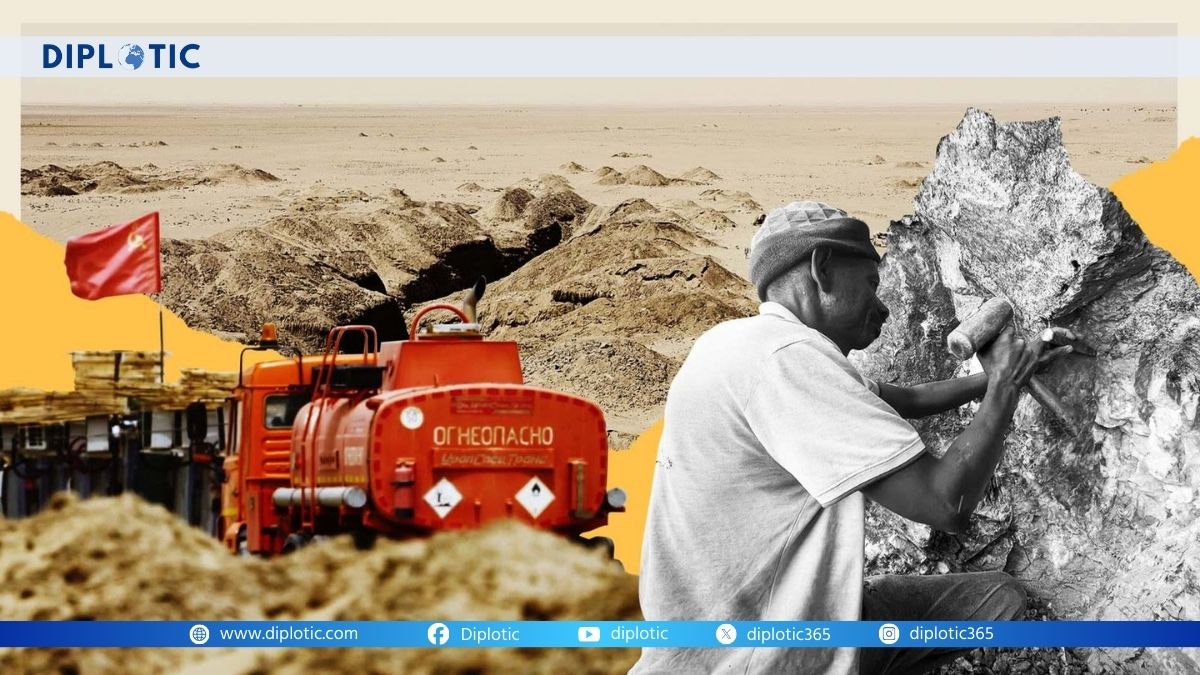
One of the central problems is how much of Sudan’s gold production never enters official channels. Industry analysts estimate that between 50 percent and 80 percent of Sudanese gold is smuggled out of the country. That means billions of dollars in potential revenue are slipping through the cracks every year. According to independent reports, over the past decade, Sudan may have lost between US$23 billion and US$36.8 billion because of this illicit trade.
These networks thrive amid weak regulation, porous borders, and political and military complicity. Both the RSF and SAF exert control over mining zones, particularly in regions outside the state’s full reach. Some mines operate almost as “sovereign zones” for militias, making formal oversight extremely difficult. Meanwhile, many artisanal miners — small-scale, informal operators — work under harsh conditions with little protection and no safety standards, yet are deeply embedded in this parallel economy. Sanctions, rather than stopping the trade, can make it more opaque. When formal export routes are blocked or subject to restrictions, smugglers and war-sponsoring networks simply reroute the gold. The system has become self-reinforcing: smuggling pays better than legal channels, and key actors are willing to risk sanctions to keep their supply lines open.
Who Profits And How the U.S. Is Involved
While the sanctions are designed to punish those fueling conflict, they have complicated effects. Some gold makes its way into the global market via intermediaries, rather than staying in Sudan’s economy. Reports show that major portions of smuggled Sudanese gold end up in the United Arab Emirates, a long-time hub for re-export. The UAE plays a critical role in handling Sudanese gold, both officially and unofficially.
There are also deep geopolitical entanglements. Russian-linked firms, such as Meroe Gold — associated with Wagner Group — have operations in Sudan, and have been linked to historic mineral deals. The U.S. has sanctioned some of these ties, but the networks remain resilient. Moreover, U.S. sanctions have focused on some actors (especially RSF-affiliated ones) while failing to fully dismantle the broader system.
Currency pressures make things worse. Sudan’s central bank has moved to restrict gold exports and force miners to sell to state-backed institutions, in part to bring more gold proceeds into formal banking channels. But because so much of the mining happens in areas of conflict or under militia control, the official sector still only captures a portion of production. The mismatch enables armed groups to convert gold into cash through third parties, sustaining the war economy even as sanctions tighten.
How the U.S. Sanctions Strategy May Be Backfiring
The intention behind U.S. sanctions is clear: choke off the funds that allow armed groups to buy weapons. Indeed, the U.S. Treasury has publicly stated that it seeks to deprive the RSF and SAF of resources to pay soldiers, re-arm, and sustain their conflict. But some analysts argue that the sanctions may be reinforcing the very system they were meant to weaken.
When formal export channels are limited, smuggling networks step in. These networks often involve powerful foreign and domestic actors who can absorb risk. Moreover, the lack of a coherent global crackdown means that sanctions can target only some nodes in the chain, leaving others open. According to a study by C4ADS, both gold and non-gold minerals, such as chrome remain lucrative revenue sources for warring parties, and enforcement has not kept pace with the scale of trade.
At the same time, Sudan’s central government suffers. Even as official production rises — the state-run Mineral Resources Company reported 65 tons of gold produced in 2024, with revenue around US$1.6 billion a fraction of those earnings finds its way into public coffers. According to financial oversight groups, only a small part of gold revenue reaches the state budget, even as spending on the military soars. This dynamic weakens the capacity of the government to deliver public services and address the humanitarian crisis.
What Are the Broader Implications, And What Needs to Change?
The story of Sudan’s gold under U.S. sanctions is not just about mining: it reflects how war, weak governance, and global markets intersect to punish ordinary people. Sudanese civilians suffer deeply they see lost economic opportunity, hyperinflation, and a shrinking state capacity. Meanwhile, armed groups continue to finance their operations through mineral wealth, perpetuating violence.
To change this, a more holistic international strategy is needed. Sanctions cannot remain narrow if the gold trade they aim to disrupt is diffuse and international. Enforcement must reach beyond a handful of companies to target smuggling networks, refineries, and re-export hubs that service conflict actors. There also needs to be sustained international pressure on buyers in transit countries, especially where gold passes through legally weak or opaque markets.
Domestically, Sudan must reform its gold sector to bring more of the trade into formal channels. The Central Bank’s recent directive to control gold exports is a start, but without stable governance, regulation, and security, smuggling will remain easier than transparency. Learning from other resource-rich but fragile states, Sudan could build a national gold exchange, strengthen its state mining company, and reinvest mineral revenue into public goods.
Finally, diplomatic efforts must tie sanctions to peace. The U.S. — and other external actors — should condition sanctions relief or support on a political settlement that gives Sudan control over its wealth. Otherwise, the country risks losing not just its mineral riches, but its future.
In the end, U.S. sanctions on Sudan’s gold may aim to stop war financing, but without deeper intervention, they risk enabling a shadow system where minerals fuel conflict not recovery.