• About
  • Contact
  • Methodology
  • Violation Policy
  • Editorial Policy
  • Correction Policy
  • Privacy Policy
  • Reader Submissions
  • Our Team
  • Funding & Donors
Saturday, June 13, 2026
  • Home
  • Focus
    • Exclusive
    • Editor’s Pick
    • Behind the Curtain
  • Fact Check
  • Politics
  • Diplomacy
  • Economy
  • War & Conflict
  • South Asia
  • More
    • Games & Sports
    • Technology
    • Entertainment
    • History & Culture
    • Science & Technology
    • Nature & Environment
    • Health & Lifestyle
Bangla
Diplotic
No Result
View All Result
  • Home
  • Focus
    • Exclusive
    • Editor’s Pick
    • Behind the Curtain
  • Fact Check
  • Politics
  • Diplomacy
  • Economy
  • War & Conflict
  • South Asia
  • More
    • Games & Sports
    • Technology
    • Entertainment
    • History & Culture
    • Science & Technology
    • Nature & Environment
    • Health & Lifestyle
No Result
View All Result
Diplotic
Bangla
Home Diplomacy

U.S. Escalates Pressure on Syria’s New Islamist Leadership

Tasfia Jannat by Tasfia Jannat
April 18, 2025
in Diplomacy
Reading Time: 2 mins read
A A
0
U.S. Escalates Pressure on Syria’s New Islamist Leadership

U.S. Escalates Pressure on Syria’s New Islamist Leadership

0
VIEWS
Share on FacebookShare on Twitter

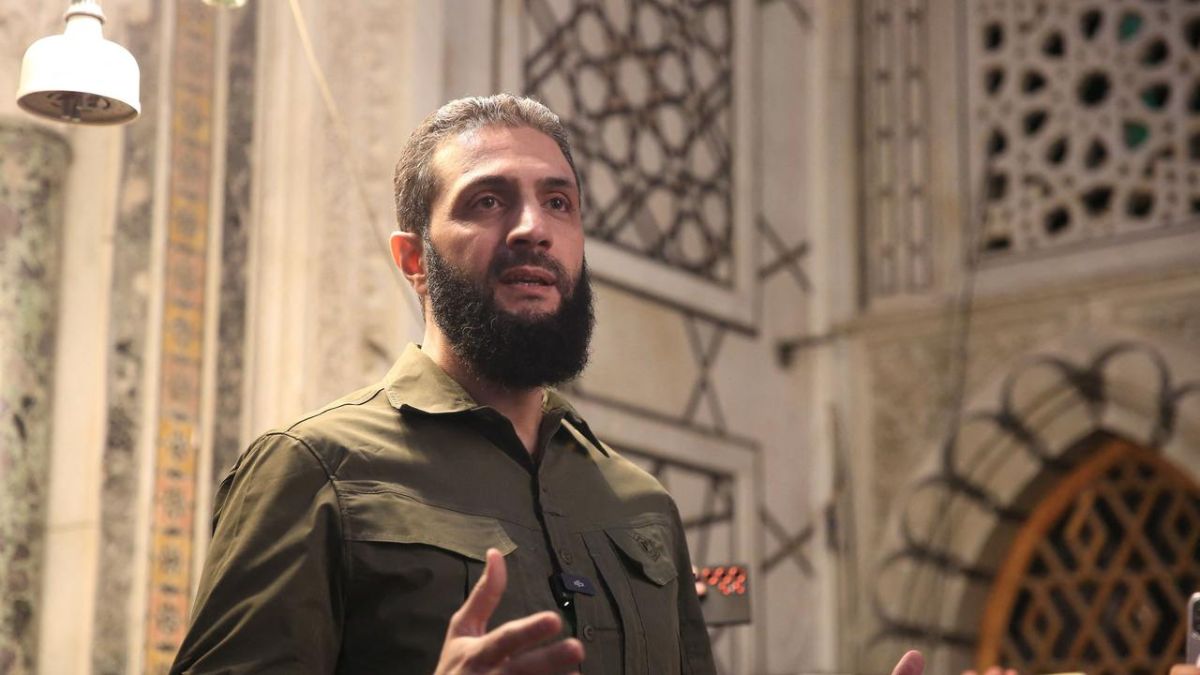
Following the dramatic fall of Bashar al-Assad’s regime in late 2024, the United States has stepped up diplomatic pressure on Syria’s new Islamist-led leadership. The interim government, formed under the leadership of Ahmed al-Sharaa and dominated by Hayat Tahrir al-Sham (HTS), is now facing a complex web of expectations from Washington as it seeks international legitimacy and economic relief.

Key U.S. demands include a crackdown on extremist groups operating within Syria, the expulsion of Palestinian militant factions, and cooperation in locating Austin Tice, an American journalist missing since his abduction in Syria over a decade ago. These conditions reflect Washington’s concerns about HTS’s historical ties to al-Qaeda, despite efforts by HTS leader Ahmed al-Sharaa to project moderation and inclusivity. Al-Sharaa has publicly committed to protecting minority rights and fostering a pluralistic government. Still, U.S. officials remain wary, fearing Syria could become a haven for jihadist activities if extremist elements are not decisively addressed. The geopolitical context adds complexity to the situation. Israel has established a military presence in southern Syria, conducting airstrikes and ground operations to counter perceived threats, while Turkey, a key backer of HTS, exerts significant influence over the group. This dynamic underscore the delicate balance the U.S. must navigate as it seeks to shape Syria’s post-Assad trajectory without direct military involvement.

The geopolitical context adds complexity to the situation. Israel has established a military presence in southern Syria, conducting airstrikes and ground operations to counter perceived threats, while Turkey, a key backer of HTS, exerts significant influence over the group. This dynamic underscores the delicate balance the U.S. must navigate as it seeks to shape Syria’s post-Assad trajectory without direct military involvement.

In parallel with these diplomatic efforts, the United States is scaling back its military presence in Syria. Plans are underway to withdraw approximately 600 troops, leaving fewer than 1,000 personnel tasked with counter-ISIS operations and safeguarding remaining strategic interests in the region.

This calibrated shift in both policy and military posture reflects a broader rethinking of U.S. strategy in the Middle East. It acknowledges the complex realities on the ground while reinforcing the Biden administration’s preference for diplomacy backed by conditional engagement.

Whether the new Syrian leadership will meet Washington’s terms remains uncertain. What is clear, however, is that the path ahead for Damascus—and for U.S.-Syria relations—is now being redrawn under the watchful eyes of regional and global powers alike.


Tasfia Jannat

Tasfia Jannat

Blue Moon: The Rare Lunar Wonder

Blue Moon: The Rare Lunar Wonder

by Arjuman Arju
May 31, 2026

The night sky has always fascinated people with its countless stars, planets, and celestial events. Among these wonders, the Blue...

Fact Check: Does Consciousness Create Reality?

Fact Check: Does Consciousness Create Reality?

by Morium Jahan Setu
May 11, 2026

For more than a century, quantum mechanics has challenged humanity’s understanding of reality. Unlike classical physics, which describes a predictable...

How China, Russia, Turkey and Europe Are Responding to Iran War

The Impact of the US-Iran Conflict on Global Oil Prices and Economic Performance

by Sajjad Hossain Adib
May 11, 2026

Introduction The conflict between the United States and Iran is a central topic in global geopolitics. This enduring friction has...

Fact Check: AI-generated misinformation is destabilizing South Asian elections

Fact Check: Are “Clear Cache” Apps Actually Improving Phone Speed?

by Samshul Arefin
May 1, 2026

Every day, millions of smartphone users tap buttons labeled "Clean," "Boost," or "Speed Up" in third-party cleaning apps, hoping to...

DIPLOTIC

© 2024 Diplotic - The Why Behind The What

Navigate Site

  • About
  • Contact
  • Methodology
  • Violation Policy
  • Editorial Policy
  • Correction Policy
  • Privacy Policy
  • Reader Submissions
  • Our Team
  • Funding & Donors

Follow Us

No Result
View All Result
  • Home
  • Focus
    • Exclusive
    • Editor’s Pick
    • Behind the Curtain
  • Fact Check
  • Politics
  • Diplomacy
  • Economy
  • War & Conflict
  • South Asia
  • More
    • Games & Sports
    • Technology
    • Entertainment
    • History & Culture
    • Science & Technology
    • Nature & Environment
    • Health & Lifestyle

© 2024 Diplotic - The Why Behind The What