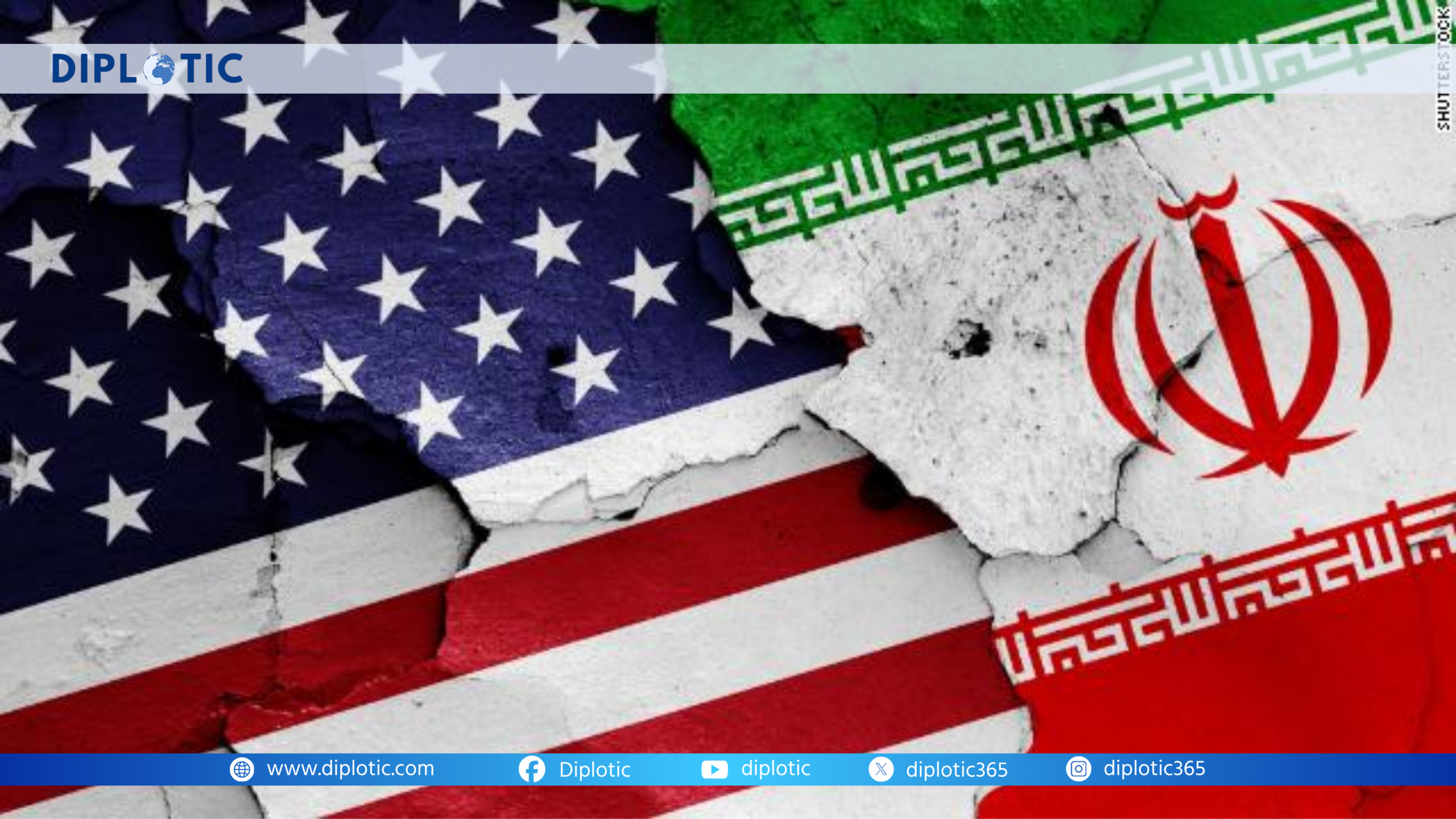
Discover how the recent U.S. and Israeli strikes against Iran have reshaped Middle East dynamics, weakened Tehran’s regional influence, and opened the door for high-stakes diplomacy, potential ceasefires, and the future of the Abraham Accords in this in-depth analysis.
From Missiles to Meetings — The Shift Begins
In the wake of America’s devastating airstrikes on Iranian nuclear facilities and the subsequent regional ceasefire, the Middle East stands on the precipice of a historic realignment. The rapid escalation between the United States, Israel, and Iran triggered by Tehran’s involvement in a multifront war against Israel following the Hamas attack on October 7, 2023 culminated in a powerful military response. Yet now, the center of gravity is shifting from the battlefield to the diplomatic table.
What follows could define the geopolitical trajectory of the Middle East for decades to come.
Iran’s Miscalculated Gamble: A Strategic Setback
Tehran’s bold decision to join the conflict last year appears, in hindsight, to have been a grave miscalculation. For nearly 18 months, Israel had already been systematically degrading Iran’s influence militarily, politically, and economically. By directly entering the conflict, Iran exposed itself to overwhelming force projection, not only from Israel but from the United States, culminating in an operation that dealt catastrophic blows to its nuclear program and military infrastructure.
In a matter of just 12 days, Israel and the U.S. demonstrated extraordinary intelligence coordination and precision targeting, eliminating key Iranian nuclear scientists, dismantling missile production facilities, and neutralizing major nuclear installations excluding only the most hardened sites like Fordow and Isfahan.
The result? Iran’s strategic deterrent capability has been critically undermined.
What Didn’t Happen
For years, analysts warned that any Western military strike against Iran would ignite a regional inferno: mass U.S. casualties, missile barrages from Iran’s vast network of proxies, and destabilization from Iraq to Lebanon. Yet, none of that materialized.
Hezbollah, weakened from its 2024 defeat at the hands of Israel, stood down. Iraqi militias remained eerily quiet. Even Iran’s retaliatory missile strike on a U.S. base in Qatar was feeble, transparently telegraphed, and strategically ineffective.
Most revealing was the silence from Iran’s supposed allies. The much-hyped CRINK coalition of China, Russia, Iran, and North Korea proved illusory under fire. China, reliant on Gulf oil, discouraged any Iranian escalation in the Strait of Hormuz. Russia, bogged down in Ukraine and having lost its Syrian ally Bashar al-Assad, had neither the will nor the means to assist Iran. Iran stood isolated in its darkest hour.
This non-response underscores a sobering truth: the anti-Western alliance is brittle and unprepared to confront high-stakes military crises.
A New Power Equation in the Region
The events of the last two weeks confirmed Israel’s emergence as the dominant military power in the Middle East. Once surrounded by a “ring of fire” of Iranian proxies, Israel has turned the tables. After enduring the trauma of October 7, its national security doctrine has shifted permanently: never again will it tolerate Iranian-backed forces on its borders, and it will strike Iranian assets directly when provoked.
This new doctrine, coupled with the technical brilliance of recent operations such as precision B-2 bomber strikes from U.S. soil into Iran has transformed regional perceptions of Israeli and American power. Gulf states, already wary of Iranian aggression, now view Israel as a stabilizing and formidable force one they may be eager to align with economically and strategically.
No Clear Victory, Only Strategic Opportunity
While the military blow dealt to Iran’s nuclear infrastructure is being hailed as a success, seasoned analysts urge caution. There’s no binary “mission accomplished” moment in dismantling a nuclear program. Unlike a high-value target strike, where the outcome is simply “dead or alive,” Iran’s nuclear capability involves a labyrinth of infrastructure, intellectual capital, and covert networks.
Assessments will evolve over three phases: initial imagery-based damage assessments, technical analysis of precision targeting, and comprehensive multi-source intelligence incorporating human sources, signals, and foreign partner insights. This process will take weeks, if not months.
Even if Iran retains enriched uranium, does it still have centrifuges to weaponize it? Can it mold uranium metal into bomb components without being detected and stopped? Intelligence officials will be parsing these questions carefully, recognizing that Tehran’s decision-making can still be influenced by credible threats and diplomatic options.
The Path Forward: Diplomacy With Deadlines
Strategic gains from the battlefield are fleeting without diplomatic follow-through. The most pressing opportunity now lies in converting Iran’s military defeat into a lasting diplomatic accord. Whether through reaffirmation of Iran’s Nuclear Non-Proliferation Treaty (NPT) obligations or a broader deal prohibiting enrichment altogether, diplomacy must be pursued with urgency and precision.
A crucial milestone looms in September 2025 the deadline to “snap back” UN sanctions under the framework of the 2015 Iran nuclear deal. Both France and the United Kingdom are aligned with Washington in signaling readiness to reimpose sanctions if Iran fails to engage meaningfully.
This looming threat gives Western negotiators leverage, but only if exercised skillfully and with strategic patience.
Gaza and the Abraham Accords: Momentum and Hurdles
Parallel to negotiations with Iran, efforts are intensifying to secure a long-awaited ceasefire in Gaza. An emerging backchannel deal would trade the release of hostages held by Hamas for a cessation of hostilities. Though Hamas has resisted these proposals thus far, recent setbacks in Iran may reduce their leverage and increase pressure to negotiate.
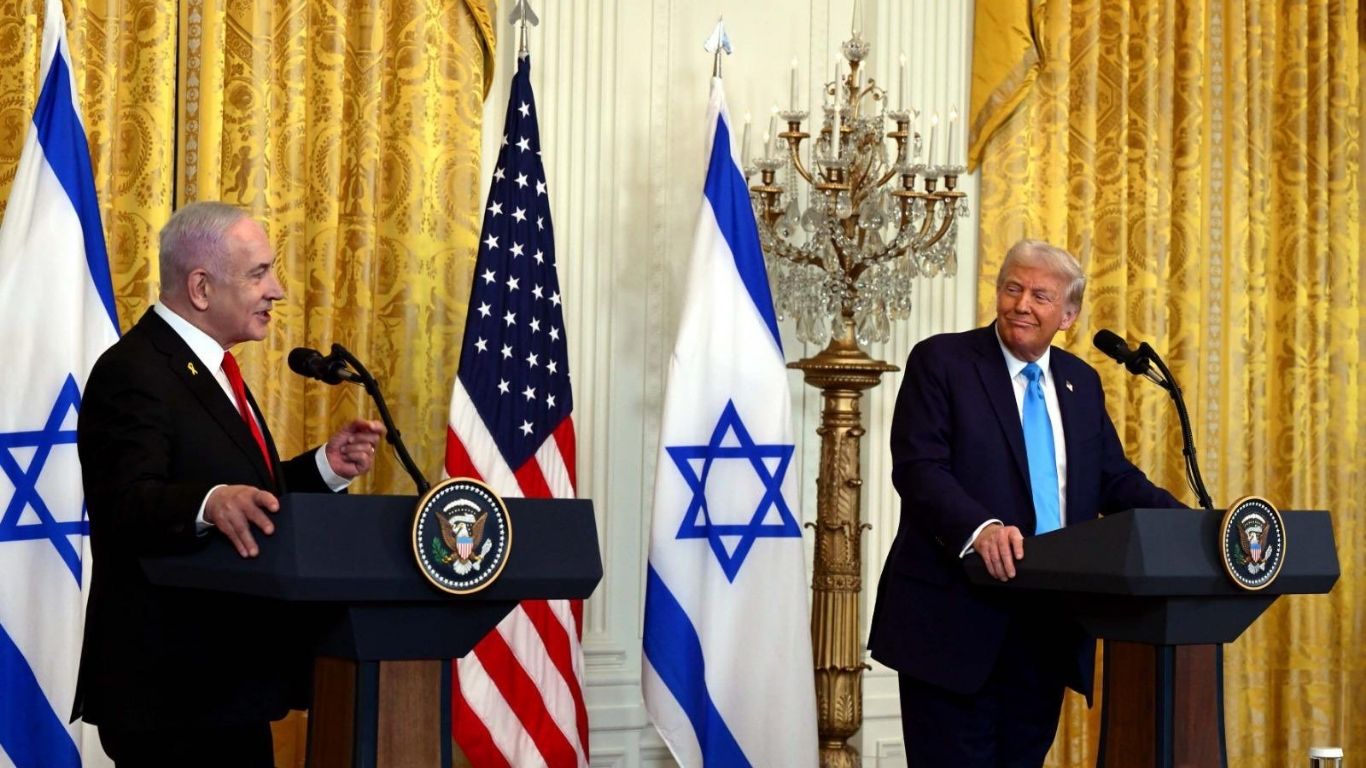
President Donald Trump has predicted a ceasefire within days. While such optimism is welcome, it may take longer for diplomacy to bear fruit particularly as regional players reassess their positions in this transformed environment.
The real prize may be a renewed push to expand the Abraham Accords, further integrating Israel into the regional and global economy. Arab nations, recognizing Israel’s unmatched military and technological prowess, are recalibrating. But no serious normalization will occur until the Gaza conflict is firmly resolved.
What Comes Next: Between Realism and Optimism
Two diverging futures lie ahead. One sees a desperate Iran scrambling to rebuild its nuclear program, risking further escalation. The other envisions the West leveraging its military victory to bring Tehran to the table, deepen regional integration, and usher in a new era of security and prosperity.
While neither extreme seems likely in full, the middle path appears plausible. With focused U.S. diplomacy, disciplined intelligence analysis, and strategic coordination with allies, it is now more likely than not that:
- Iran refrains from a nuclear dash,
- A ceasefire is achieved in Gaza, and
- The Abraham Accords expand within the next few years.
The Window Is Open—But Not Forever
The Middle East has long been a region where military victories are undone by political inertia. The challenge now is to sustain pressure, keep the diplomatic clock ticking, and resist premature declarations of success.
The United States, alongside its allies, must double down on the one thing that can transform tactical dominance into lasting stability: skillful, time-bound diplomacy.
The guns may have quieted, but history teaches us that silence is not peace. It’s preparation for what comes next.