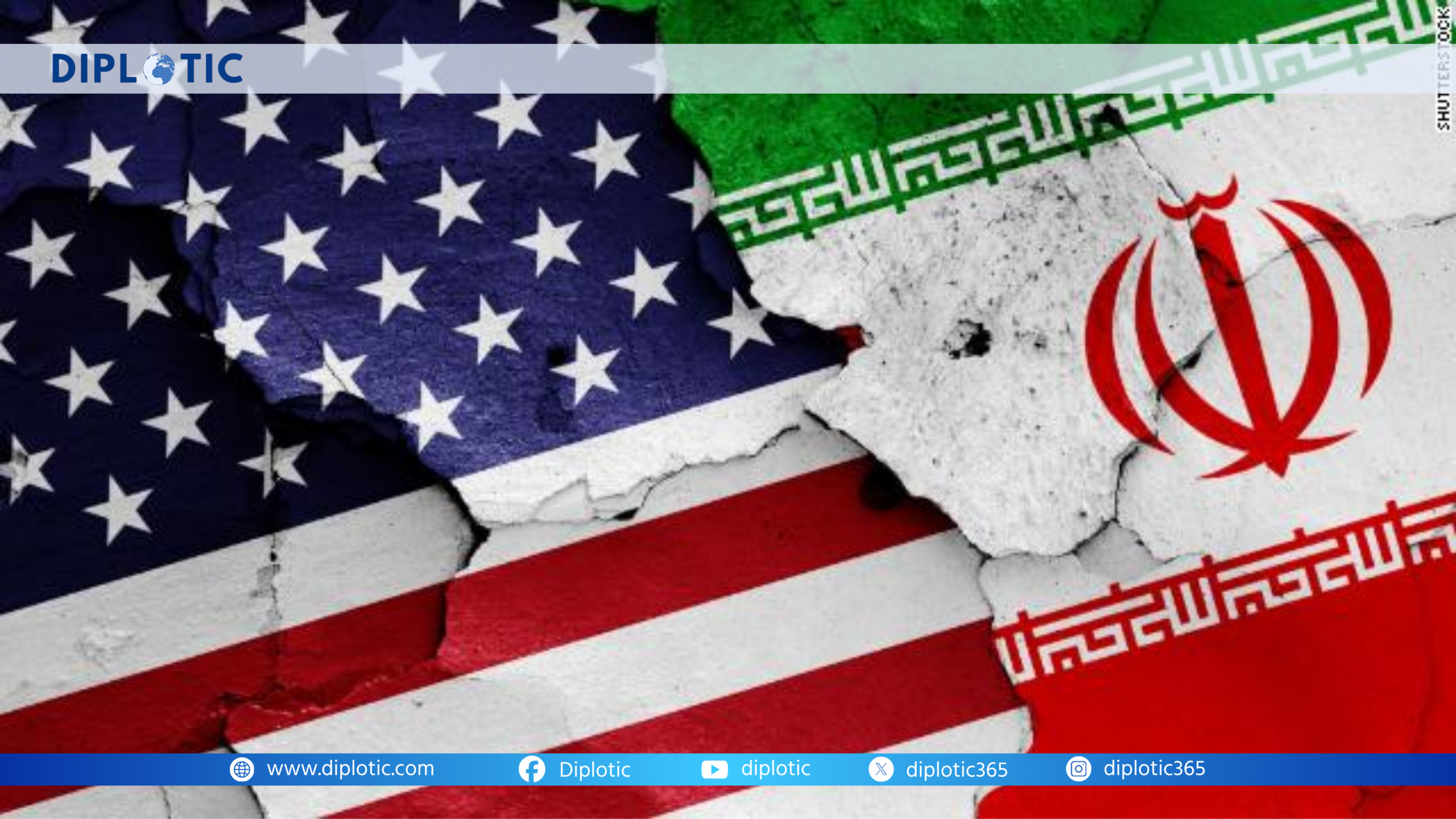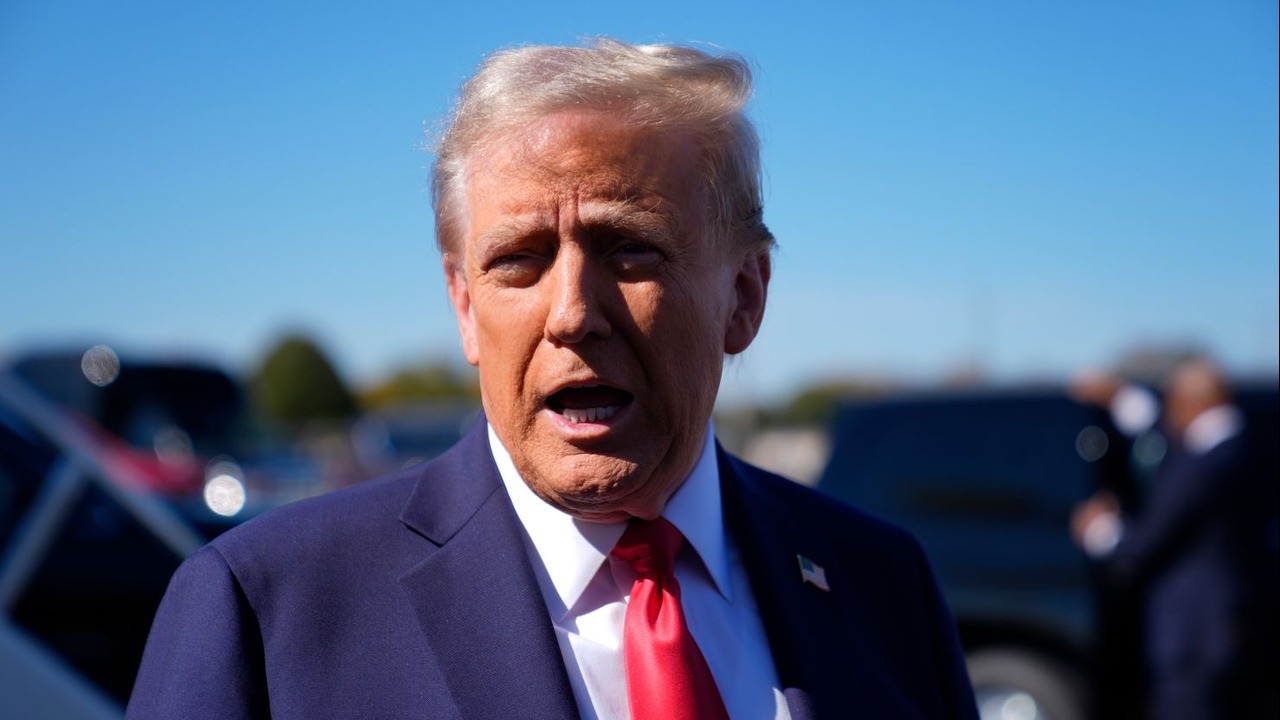
President-elect Donald Trump issued a strict warning to nine nations on Saturday, urging them to abandon efforts to create a new currency or risk facing a 100% tariff on any attempts to devalue the U.S. dollar. This warning was specifically directed at countries in the BRICS alliance—Brazil, Russia, India, China, South Africa, Egypt, Ethiopia, Iran, and the United Arab Emirates. Trump took to Truth Social, stating, “We require a commitment from these countries that they will neither create a new BRICS currency nor back any other currency to replace the mighty U.S. dollar. Otherwise, they will face 100% tariffs and should expect to say goodbye to selling into the wonderful U.S. economy.”
In further stance, Trump asserted that any nation attempting to challenge the dominance of the U.S. dollar should “go find another ‘sucker’,” adding, “There is no chance that the BRICS will replace the U.S. dollar in international trade, and any country that tries should wave goodbye to America.”
The Semiotics Behind Trump’s Stern Message
The 16th BRICS summit, held in October 2024, focused on “Strengthening Multilateralism for Fair Global Development and Security.” During the summit, Russian President Vladimir Putin, along with other BRICS members, expressed an interest in searching alternative payment solutions to get ahead of U.S. sanctions. In response, the BRICS nations introduced a payment system, “BRICS Pay,” designed to enable financial exchanges among member nations, bypassing the Western-dominated SWIFT system. This initiative arose from concerns about privacy breaches related to European information under U.S. influence.
Putin criticized U.S. practices, accusing the country of “weaponizing” the dollar. “It’s not us who refuse to use the dollar,” Putin remarked. “But if they don’t let us work, what can we do? We are forced to search for alternatives.”
Washington’s Strategy: A Game of Leverage?
Some of Trump’s allies view his tariff threat as a tactical stance rather than a definitive action. Republican Senator Ted Cruz emphasized the importance of leverage in negotiations, drawing parallels with Trump’s earlier success in negotiating with Mexico and Canada over tariffs. Cruz highlighted how such threats can prompt immediate responses.
Additionally, Trump’s Treasury Secretary nominee, Scott Bessent, suggested that the proposed tariff hikes should be understood as part of Trump’s broader negotiation strategy. Bessent noted, “At the end of the day, he’s a free trader,” implying that the president-elect might be using these threats to gain an advantage before any final decisions are made.
How Did BRICS Allies React to Trump’s Ill-Judged Threat?
While President-elect Donald Trump’s threat to impose a 100% tariff on BRICS nations has made waves, the response from within the bloc has been more measured than expected. In fact, the currency proposal, which Trump cited as the catalyst for his harsh rhetoric, has made little progress, despite the aggressive statements from BRICS leaders.
On Monday, the South African government strongly denied any plans to create a new BRICS currency, attributing the confusion to “recent misreporting.” Chrispin Phiri, spokesman for South Africa’s Department of International Relations and Cooperation (DIRCO), clarified that discussions within BRICS so far have focused on enhancing trade among member nations through national currencies, not the creation of a new unified currency. This response underlined that the idea Trump warned against is still far from becoming a reality.
The Kremlin, meanwhile, appeared unfazed by Trump’s threat, opting instead for a more diplomatic response. Russia, which currently holds the rotating chair of the BRICS bloc, seems disinterested in pursuing a new currency, particularly as it is engaged in a conflict with America-backed Ukraine. This suggests that, for now, Russia’s priority is not challenging the U.S. dollar but instead managing its ongoing geopolitical struggles.
What If the Trump Administration Implements the 100% Tariff on BRICS Nations?
Let’s find what would happen if Trump’s proposed 100% tariff on BRICS nations were to become a reality. A definite measure like this would significantly raise the cost of goods imported from BRICS members, which would, in turn, fuel inflation in the U.S. economy and potentially destabilize global trade.
Stephen Innes, managing partner at SPI Asset Management, commented on Trump’s proposal as a “blistering” move aimed at reinforcing his “America First” economic policies. This hardline stance reflects Trump’s broader approach to global trade—one that seeks to recalibrate the economic balance in favor of U.S. interests, especially by imposing high tariffs on China. While Trump’s electoral success was buoyed by promises of economic protectionism, economists largely view such proposals as shortsighted, potentially leading to negative global repercussions.
The likely outcomes of a 100% tariff could include retaliatory trade measures from BRICS nations, further supply chain disruptions, and a decline in foreign investments as global investors may be discouraged from engaging with the U.S. market. Such a policy would likely accelerate de-dollarization efforts within BRICS, encouraging collaboration on new economic strategies among member nations.
Additionally, global inflation would likely spike, leading to greater economic inequality and market diversification, with countries seeking alternatives to U.S. economic dominance. Geopolitical tensions could also rise, complicating already strained international relations.
It’s important to note that while the U.S. government would collect the tariff, the burden would ultimately fall on domestic U.S. companies importing goods, who would then pass on the cost to consumers. Economic studies from previous tariff initiatives show that the majority of the financial impact of such tariffs is borne by U.S. consumers, not foreign exporters.
In this context, Trump’s aggressive tariff strategy may backfire. Far from protecting U.S. interests, it could ultimately harm domestic consumers, destabilize global markets, and strengthen efforts by BRICS nations to challenge the U.S. dollar’s dominance. The consequences of such a policy could indeed be far-reaching and costly.