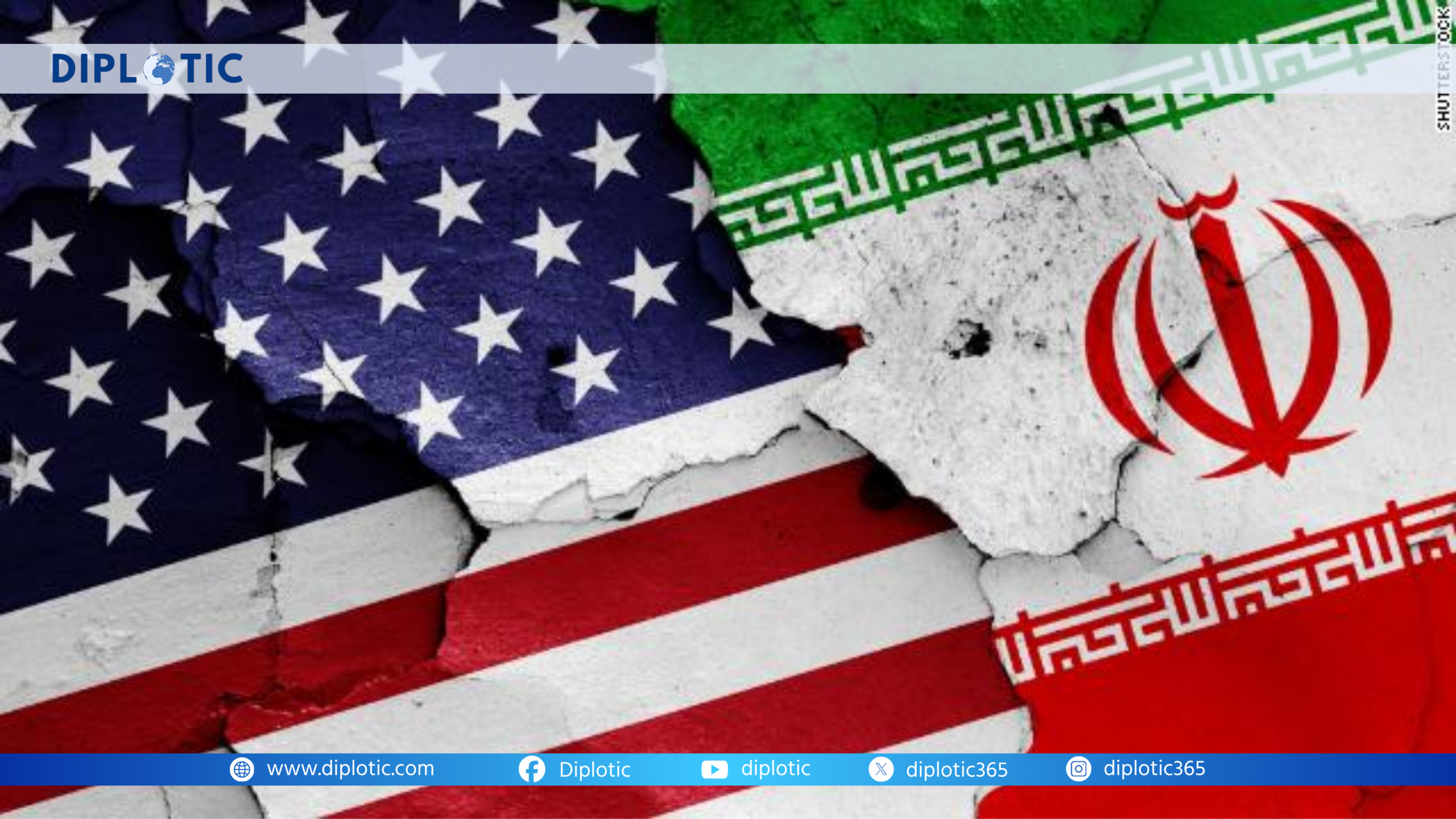
In mid-December 2025, two leading economists, Paul Krugman and Martin Wolf, sat down to discuss America’s latest National Security Strategy. Released earlier that month, the document outlines the Trump administration’s view of global threats and priorities. It drops long-held U.S. goals of spreading democracy and instead focuses on deals, regional power in the Americas, and criticism of allies in Europe. The conversation between Krugman and Wolf highlights worries about this shift, from ties with Europe to rivalry with China. This piece breaks down their key points, adds context from the plan itself, and explores possible outcomes.
Why Has America Turned Away from Old Values?
The strategy marks a clear break from past U.S. approaches. Earlier plans often stressed promoting freedom and human rights abroad as part of American strength. This one skips that entirely. Krugman notes it not only drops support for liberal ideas but seems to oppose them, especially in Europe. The document warns of “civilizational erasure” on the continent, blaming migration, low birth rates, and limits on speech. It praises the rise of “patriotic” parties—often far-right groups focused on national identity and stricter borders.
Wolf points out this echoes older U.S. speeches, like Kennedy’s support for a united Europe or Reagan’s vision of America as a beacon. Now, the message feels different. Background shows the plan ties into domestic views, seeing open borders and diverse societies as weaknesses. Related reports confirm the text calls for Europe to handle its own defense and regain “self-confidence.” Why this change? Krugman suggests it’s tied to internal U.S. debates, prioritizing cultural issues over global leadership. Other views note the plan avoids judging leaders in places like the Middle East, focusing on business ties instead. This raises questions: Does it free the U.S. from costly roles, or weaken bonds with like-minded nations?
How Does the Plan View Rivalry with China?
A surprising part is how it handles China. Past strategies treated China as a top threat, competing in tech, military power, and ideas. This one focuses mostly on trade and economy. It calls for fair deals but downplays broader clashes. Krugman says great-power competition with China has faded from view. The plan stresses dominance in the Americas over challenging China’s global reach.
Wolf asks what drives this. Krugman sees little real plan for the region beyond short-term actions. Context from the document shows it revives the Monroe Doctrine, claiming the Western Hemisphere as a U.S. sphere while shifting resources there. Parallel insights: China already leads in economy size when adjusted for costs, with strong investment in key sectors. The U.S. lacks matching tools now. Why de-emphasize China? Perhaps to avoid wide conflicts and chase quick wins elsewhere. But it leaves room for China to grow influence in Asia, Africa, and beyond. Questions remain: Is this realistic restraint, or does it hand advantages to rivals?
What Challenges Await Europe in This New View?
Europe gets the sharpest words. The plan says the continent faces deep problems from migration and lost identity. It urges support for “patriotic” groups to fix this. Wolf, based in Europe, calls it shocking—like declaring allies as foes. Krugman agrees the U.S. overestimates its sway. Europe’s trade with America is small compared to its total economy, and it has resources for self-defense.
Background: The document pushes Europe to take main responsibility for security, ending heavy U.S. support. It sees current paths as risky. Related angles: Europe has boosted some military output, like shells, and leads in trade. Raising defense to match needs is doable without huge strain. Wolf suggests learning from past joint projects, like Airbus, for tech and energy independence. Why the tough tone? It may aim to force change, but risks pushing Europe toward its own path. Krugman sees a possible wake-up: Europe could build stronger autonomy in defense and industry.
Could This Open Doors for China Globally?
With less U.S. focus on worldwide roles, China gains space. Krugman argues its economy, adjusted for real output, already tops America’s. It invests heavily in priorities like clean tech. The plan’s regional focus and deal-making leave gaps elsewhere.
Wolf imagines Beijing’s view: U.S. actions burn bridges with allies, handing influence on a plate. Context shows China as a reliable partner for many, without heavy conditions. Parallel points: Former U.S.-led groups still outweigh China economically, but splits weaken that. Why might China benefit? Less ideological pushback means easier ties. But Europe and others may seek balance, not full shift. Questions: Will nations hedge by strengthening Europe as a third option?
Where Might This Lead for Global Ties?
The talk ends on cautious notes. Krugman sees hope in U.S. politics—recent votes suggest backlash against extremes, possibly resetting by midterms. Wolf urges Europe to step up, using its strengths in trade, people, and innovation.
Broader effects: The plan favors deals over values, accepting diverse systems if useful. It ties into climate and tech rules, seeing them as burdens. Connecting past to now: Post-war U.S. leadership built peace through alliances. This narrows that, focusing inward. Implications reach far—nations may diversify partners, avoiding over-reliance on any one power. Will it bring stability through pragmatism, or fragment old bonds? The coming years will show if this marks a lasting turn or a phase, as world players adapt to a less predictable America.