Donald Trump’s Art of the Deal faces tough setbacks as China rejects tariff pressure, Ukraine refuses a peace plan favoring Russia, and Middle East initiatives collapse. Is the “Art of the Deal” losing its magic?
A President’s Dealmaking Dreams Meet New Global Obstacles
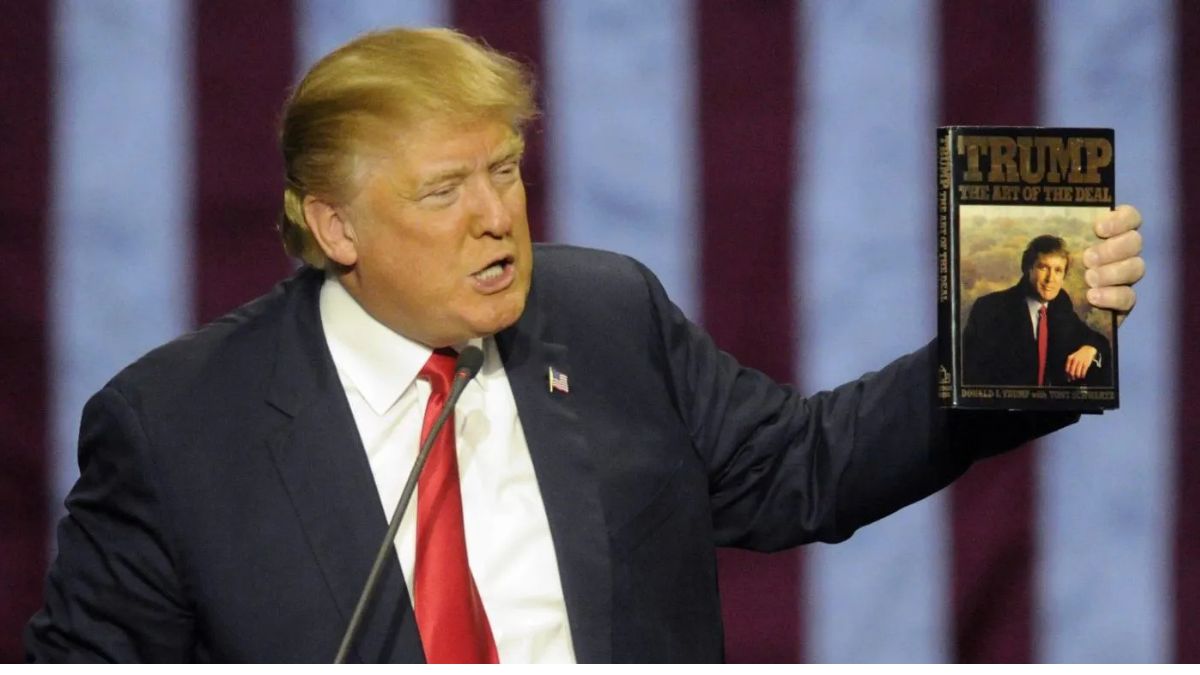
Donald Trump’s The Art of the Deal begins with a relentless, energetic portrait of a week in the life of a real estate mogul — always closing, always winning. As president again, Trump hoped the first 100 days of his second term would mirror that momentum, bringing rapid deals and sweeping victories.
However, the stakes of global leadership — national sovereignty, powerful economies, and the credibility of foreign leaders — have proven far more complicated than casino projects and skyscraper sales. His approach of seeing every issue as a win-lose scenario has brought limited victories but growing frustration.
Domestic Leverage, Questionable Tactics
Trump’s belief that every policy issue is a win-lose proposition has dominated his return to the White House – and has led to some nominal successes. He’s worked out, for example, how to use his considerable executive authority as leverage against an adversary. By threatening to cut security clearances, he won concessions from some top law firms. By brandishing billions of dollars in government funding, he flexed power over several top universities. This is all ethically and constitutionally questionable. But it’s all about chalking up “wins.”
Trump’s fellow businessmen understand the game. The president offered an opt-out from 145% Chinese tariffs to iPhones following an “Art of the Deal”-style call with Apple CEO Tim Cook.
But the president is also finding out that geopolitics and global trade negotiations have little in common with selling a condo.
China Resists Trump’s Tariff Pressure
Trump’s prediction of a flood of trade deals after pausing tariffs for 90 days has not materialized. China has refused to be intimidated. President Xi Jinping, avoiding diplomacy by phone, prefers slow, methodical negotiations — a sharp contrast to Trump’s brash style.
Despite facing 145% tariffs, China’s nationalist leadership under Xi is more determined than ever to resist U.S. pressure. Trump’s climbdown on tariffs and softer rhetoric toward China mark a significant strategic retreat amid mounting political pressure at home, including falling stock markets and shaken 401(k) accounts.
Experts like Richard Haass, president emeritus of the Council on Foreign Relations, believe China feels vindicated by Trump’s concessions. Chinese officials explicitly stated that extreme pressure and blackmail are unacceptable negotiation tactics.
Even Trump’s top officials, like Treasury Secretary Scott Bessent, have acknowledged that full rebalancing of trade with China could take two to three years, not the quick wins Trump initially promised.
Ukraine Pushes Back Against U.S. Pressure
Trump’s struggle to impose a swift peace deal in Ukraine mirrors his frustrations with China. Volodymyr Zelensky has resisted U.S.-drafted agreements that appear to heavily favor Russia’s goals, especially regarding the status of Crimea.
Trump vented his frustration publicly, accusing Zelensky of refusing a deal that could end the war quickly. Trump warned that Ukraine faces either a negotiated peace or three more years of devastating conflict.
Yet experts like Yuriy Boyechko, CEO of Hope for Ukraine, explain that recognizing Crimea as Russian territory would require major constitutional changes, national referendums, and parliamentary approval — all of which are politically impossible in Ukraine.
Despite the White House’s intensified pressure and U.S. envoy Steve Witkoff’s growing ties with Putin, Ukraine remains firm in defending its sovereignty.
Trump’s Tilt Toward Russia Raises Eyebrows
Trump’s irritation with Ukraine stands in stark contrast to his optimistic claims about Russia’s willingness to make a deal. He expressed belief that “Russia is ready” despite no clear evidence that Putin plans to compromise or relinquish ambitions to dominate Ukraine.
Critics argue that Trump’s push to recognize Russian control over Crimea and exploit Ukraine’s rare earth mineral resources amounts to economic colonization rather than genuine peace-building.
Middle East Peace Dreams Also Stall
Trump’s dealmaking struggles aren’t limited to China and Ukraine. His extreme suggestion to relocate Gaza’s entire population to make way for a “Riviera of the Middle East” was widely condemned and has led nowhere. His dream of a Middle East peace breakthrough has similarly stalled amid geopolitical complexities he underestimated.
Has Trump Lost His Legendary Dealmaking Touch?
At the beginning of The Art of the Deal, Trump wrote that some people paint, some write poetry — but his art form is making deals. Now, confronted by an uncooperative China, a resilient Ukraine, and a volatile Middle East, the world is asking: Has Trump lost his touch?