

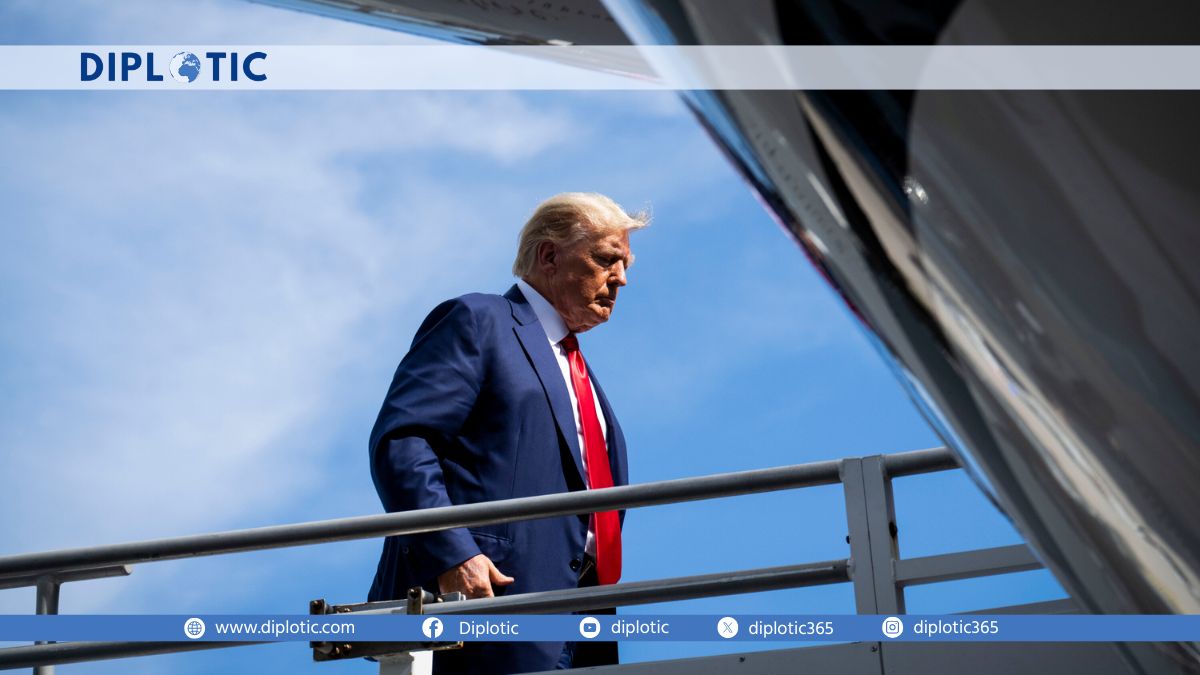
The World Trade Organization is once again facing a moment that could define its future. After years of tension, neglect, and open hostility, the United States has formally returned to active engagement with the WTO under President Donald Trump’s second term. Washington has paid overdue dues, appointed an experienced trade lawyer as ambassador, and, in mid-December 2025, quietly submitted a detailed paper outlining its vision for reforming the global trade body. For an institution often described as paralyzed and outdated, this renewed U.S. attention matters deeply.
Yet the return is not simple. Trump’s trade record is marked by high tariffs, bilateral pressure deals, and a clear skepticism toward multilateral rules. These actions sit uneasily with the WTO’s core principles. The reform paper reflects this tension. Some proposals address long-standing problems that many members privately agree need fixing. Others, however, strike at the very foundations of the trading system that the United States itself helped build after World War II. The central question is not whether reform is needed, but whether the path Washington is now proposing will strengthen global trade cooperation or push it further toward fragmentation.
Why Is the United States Engaging With the WTO Again?
For most of the past decade, the WTO has struggled with declining trust, stalled negotiations, and a broken dispute settlement system. During Trump’s first term, Washington blocked key judicial appointments and repeatedly criticized the organization as unfair to U.S. interests. Many assumed a second Trump term would mean further withdrawal. Instead, 2025 has brought a partial reversal. The United States is present again, vocal again, and intent on shaping outcomes.
This shift reflects both global reality and domestic pressure. Supply chains have been shaken by pandemics, wars, and trade conflicts. Economic security has become as important as efficiency. The United States now recognizes that walking away entirely leaves the field open to others, especially China, to influence rules and norms. Engagement, even on Trump’s terms, is a way to retain leverage.
However, the context matters. The United States currently maintains tariffs that exceed its WTO-bound limits and applies them selectively, violating the principle of equal treatment. It has also pressed trading partners into bilateral deals that may conflict with their WTO obligations. These realities make U.S. leadership on reform complicated. Any proposal is viewed through the lens of whether Washington intends to follow the rules it asks others to respect.
Which U.S. Reform Proposals Actually Make Sense?
Some U.S. ideas respond to genuine weaknesses in the WTO. One of the most widely supported proposals is to end the effective veto that any single member can exercise over new agreements. Under current practice, all members must agree before a new deal becomes part of the WTO system, even if the objecting country is not affected. This has blocked progress for years, leaving the organization frozen while the world economy changes around it.
Allowing groups of willing members to move ahead, with recognition from the WTO, would restore flexibility. Similar approaches worked under the WTO’s predecessor, the General Agreement on Tariffs and Trade, which operated pragmatically for decades. Many members see this as essential if the WTO is to remain relevant.
Another reasonable proposal concerns special treatment for developing countries. For years, large and competitive economies have claimed exemptions designed for poorer states. This has strained trust. The U.S. argument that flexibility should be limited to those who genuinely need it is widely shared, even if Washington’s tone can be abrasive. China’s recent move to stop claiming certain developing-country benefits shows that change was overdue.
The United States also emphasizes transparency. Trade rules only work if members know what others are doing, especially regarding subsidies and restrictions. The idea that the WTO should improve monitoring and disclosure is sound. In an age of advanced data tools, greater transparency is technically possible and politically necessary. These proposals, taken together, suggest that Washington does see value in a functioning multilateral system—at least in parts.
Why Do Other U.S. Proposals Raise Alarm?
The most troubling elements of the U.S. reform paper target core principles of the trading system. Chief among them is the suggestion to weaken or abandon the most favored nation rule. This rule requires countries to treat all WTO members equally, offering the same tariffs to all trading partners. It has been a foundation of global trade for nearly eighty years.
The Trump administration argues that this rule allows some countries to benefit without offering fair access in return. While concerns about reciprocity are real, removing equal treatment would likely cause chaos. Trade would become a web of exclusive deals, grievances, and retaliation. Smaller countries would be pushed aside, and even major powers would face constant disputes. The problem lies not in the principle itself, but in outdated assumptions about economic balance that need regular review.
Another concern is the U.S. push to let each country define its own security exceptions without oversight. While national security is a legitimate concern, unchecked claims risk turning the exception into a loophole for protectionism. Recent U.S. cases, involving products with no clear security relevance, have undermined confidence in this approach. A system based on rules cannot survive if every rule can be set aside at will.
Equally worrying is the idea of limiting the role of the WTO Secretariat. The professional staff exists to analyze, monitor, and inform. Silencing experts does not strengthen member control; it weakens shared understanding. At a time when trade issues are more complex than ever, reducing independent analysis would make effective cooperation harder, not easier.
What Does This Mean for the Future of Global Trade?
At its core, the U.S. reform agenda reflects a deeper struggle over how the world economy should be governed. Trump’s approach favors flexibility, power, and deals over shared rules and institutions. This can deliver short-term gains for a strong country, but it risks long-term instability. The WTO was created precisely to prevent trade relations from becoming a contest of pressure and retaliation.
Many of the challenges the United States highlights—overcapacity, supply chain risks, and trade imbalances—are real and widely felt. But avoiding these issues at the WTO and handling them through unilateral action or smaller forums weakens the only global space designed to manage them collectively. History shows that when major powers abandon common rules, smaller economies suffer first, and conflict often follows.
The United States played a central role in building the postwar trading system because it understood that rules-based trade served its long-term interests. Today’s reforms will test whether Washington still believes that leadership means shaping shared institutions rather than bending them to immediate advantage. The WTO does need change, but reform that undermines trust may leave the world with fewer rules and more friction.
The direction chosen now will echo far beyond Geneva. It will shape how trade disputes are handled, how developing countries are treated, and whether cooperation remains possible in a divided world. The question is no longer whether the United States will engage with the WTO, but whether its engagement will help renew the system—or quietly hollow it out.




