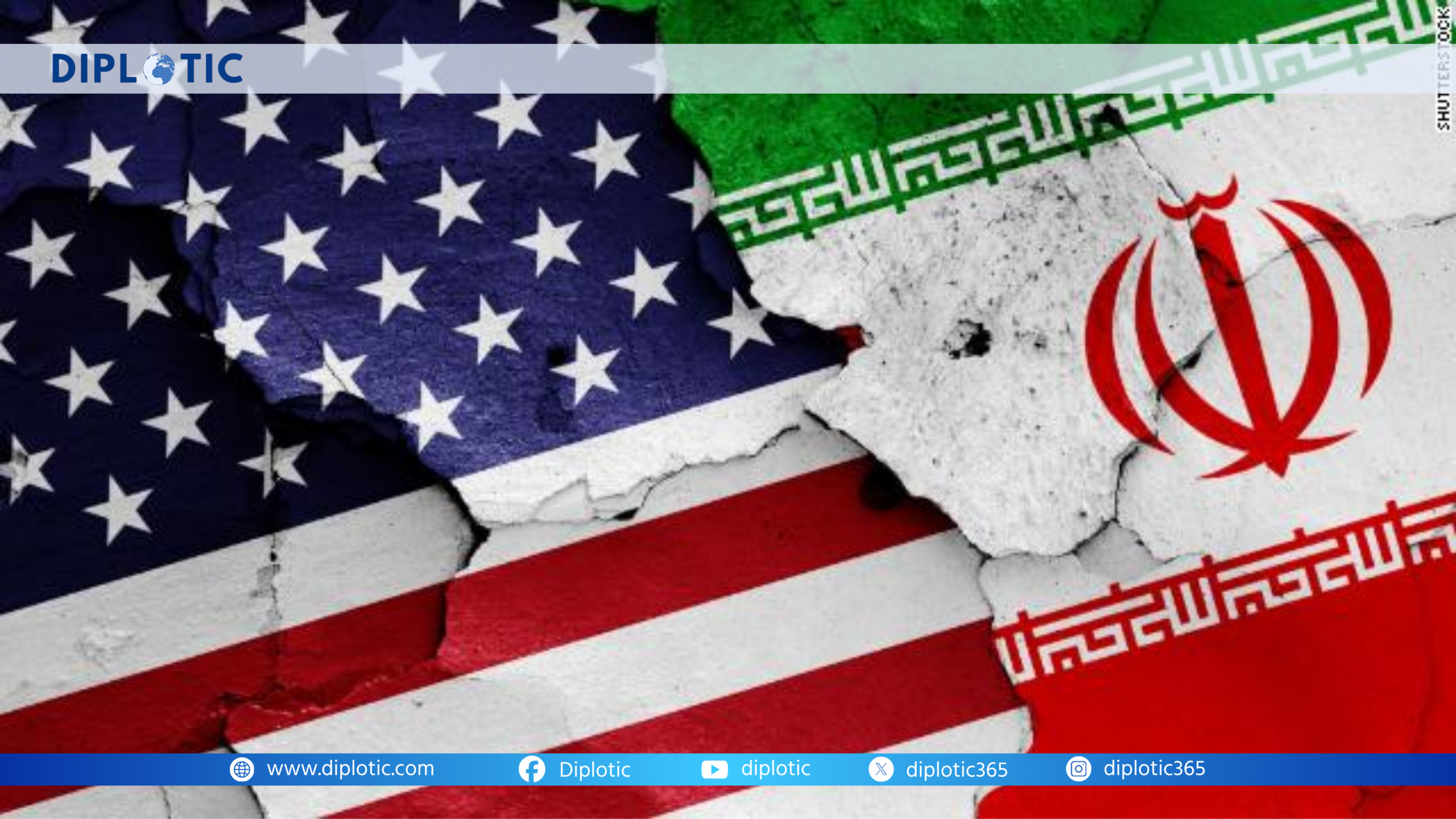
President Trump proposes lowering the U.S. Tariff on Chinese goods from 145% to 80%, signaling a shift in trade policy ahead of crucial Geneva talks—while economists warn of deepening inflation and economic fallout.
In a stunning shift that signals both a concession and a provocation, President Donald Trump announced Friday that he would support reducing U.S. tariffs on Chinese goods to 80%—a move he called “reasonable”—but ultimately left the decision in the hands of Treasury Secretary Scott Bessent. This comes ahead of high-stakes trade negotiations set to begin in Geneva this weekend.
In a flurry of posts on his Truth Social platform, Trump reiterated his signature hardline stance while hinting at newfound flexibility. “CHINA SHOULD OPEN UP ITS MARKET TO USA — WOULD BE SO GOOD FOR THEM!!! CLOSED MARKETS DON’T WORK ANYMORE!!!,” he exclaimed. Later, he added, “80% Tariff on China seems right! Up to Scott B.”
While the comment suggests a softening from the current 145% tariff level, the figure remains well above historical norms and far from the 50% ceiling that economists warn is necessary to resuscitate trade flows.
Trade War Wreaks Havoc on U.S. Economy
The implications of Trump’s statements and the administration’s evolving posture go beyond mere rhetoric. The protracted trade war, marked by tit-for-tat tariff hikes, has already plunged the U.S. economy into contraction.
According to last week’s report from the Bureau of Economic Analysis, the U.S. economy shrank for the first time since early 2022. A major contributor? Businesses hoarding inventory ahead of expected tariff hikes—a drag that undermined otherwise healthy economic indicators like job growth and consumer spending.
Goldman Sachs analysts now forecast core inflation to double, hitting 4% by year’s end. “Even if tariffs went to 0% this weekend, the U.S. would still see price hikes and supply shortages, at least temporarily,” said Sarah Lin, an economist at the Brookings Institution. “The damage has already been done.”
Logistics Bottleneck: Shipments Collapse, Prices Surge
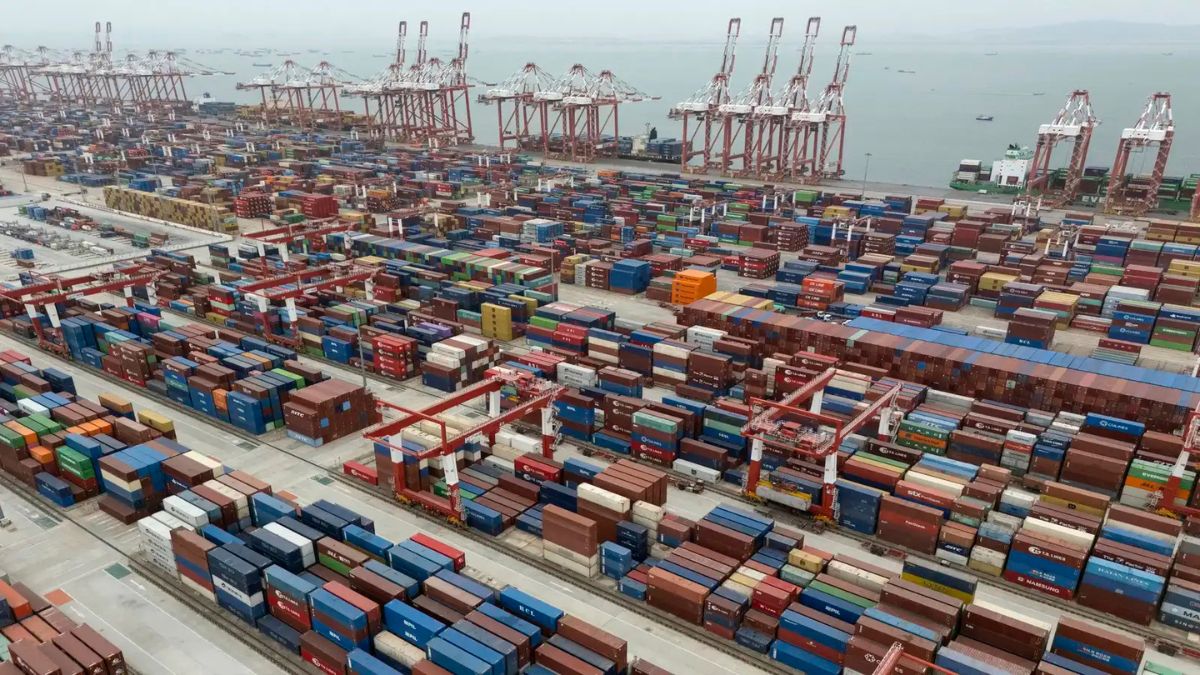
Ryan Petersen, CEO of Flexport, a global logistics firm, said U.S. imports from China have nosedived by 60%. “At these tariff levels, it’s effectively a blockade,” Petersen explained. “We’re not just hurting Chinese exporters—we’re hurting American businesses and consumers.”
China’s Ministry of Commerce reported a 21% decline in exports to the U.S. last month—before the full impact of tariff increases had been felt. The cascading effects are being seen across ports, supply chains, and retail shelves.
“Companies can’t get the parts they need, which means layoffs, production delays, and more inflation,” said trade attorney Michael Gerber. “We’re creating a cycle of economic self-harm.”
Bessent’s Balancing Act: De-Escalation Without Capitulation
Treasury Secretary Scott Bessent, who is leading the Geneva delegation alongside U.S. Trade Representative Jamieson Greer, emphasized that the talks are not expected to yield a comprehensive deal. Speaking on Fox News Tuesday, Bessent said the meeting is about “beginning to thaw” a frozen trade relationship.
“My sense is that this will be about de-escalation, not about the big trade deal,” he stated. “We’ve got to de-escalate before we can move forward.”
Bessent’s remarks suggest that the administration recognizes the untenable nature of the current tariff regime. China has imposed a retaliatory 125% tariff on most U.S. goods, effectively sealing off a market that once absorbed over $120 billion in annual American exports.
Investor Angst and Market Turmoil
Markets reacted nervously to Trump’s ambiguous tariff proposal. The Dow Jones Industrial Average dipped 1.4% on Friday, while the NASDAQ slid 2.1%, dragged down by consumer goods and logistics firms.
“The markets were hoping for a clearer path forward,” said Rachelle Grant, chief market strategist at Evergreen Capital. “Instead, we got another Trump curveball. Investors need clarity, not campaign slogans.”
Small Businesses Bear the Brunt
The pain isn’t confined to Wall Street. Small and medium-sized enterprises (SMEs), which lack the financial flexibility of multinationals, are disproportionately affected by the current trade environment.
“We had to lay off 30% of our staff because we can’t afford raw materials at these prices,” said Elaine Tran, co-founder of a furniture startup in North Carolina. “We were importing wood and hardware from China. Now we can’t compete.”
A Frozen Relationship: No Breakthrough Expected
Despite the urgency, senior officials are tamping down expectations for the Geneva talks. Unlike Trump’s recent announcement of a framework deal with the United Kingdom, no such arrangement is expected with China.
“There’s no illusion inside the White House that a breakthrough is coming this weekend,” said a senior official familiar with the planning. “This is the first conversation in a long time. We’re trying to break the ice, not sign a treaty.”
Looking Ahead: A Long Road to Normalization
Bessent estimates it could take two to three years for U.S.-China trade relations to return to a semblance of normalcy—assuming the talks continue and tensions gradually recede.
That’s a long timeline for U.S. consumers and businesses already grappling with high inflation, slowing growth, and disrupted supply chains.
“We’re in for a rough ride,” said economist Dana Reynolds of the Peterson Institute for International Economics. “And unless tariff levels come down substantially—and quickly—the road to recovery will be steep and slow.”