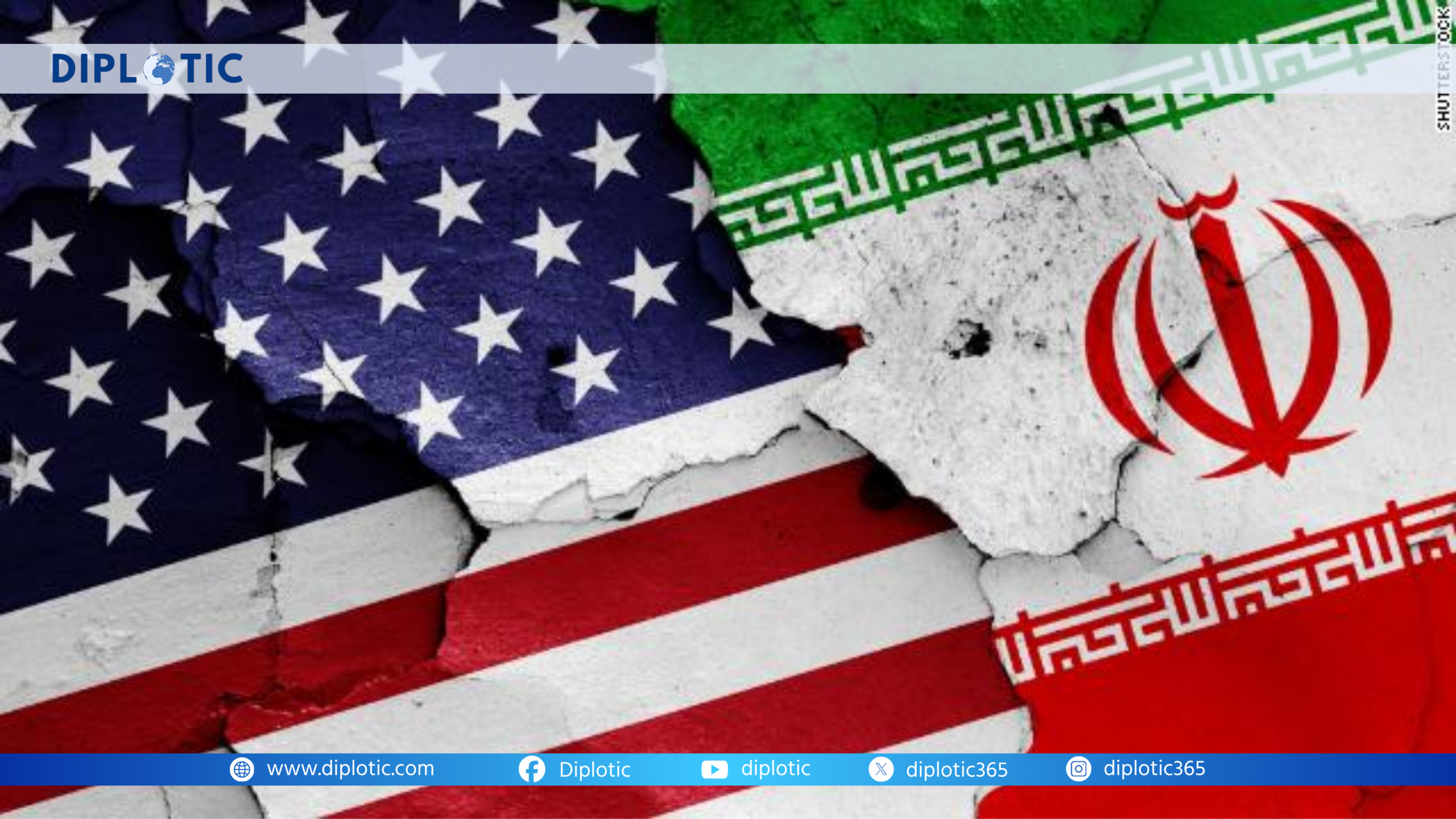
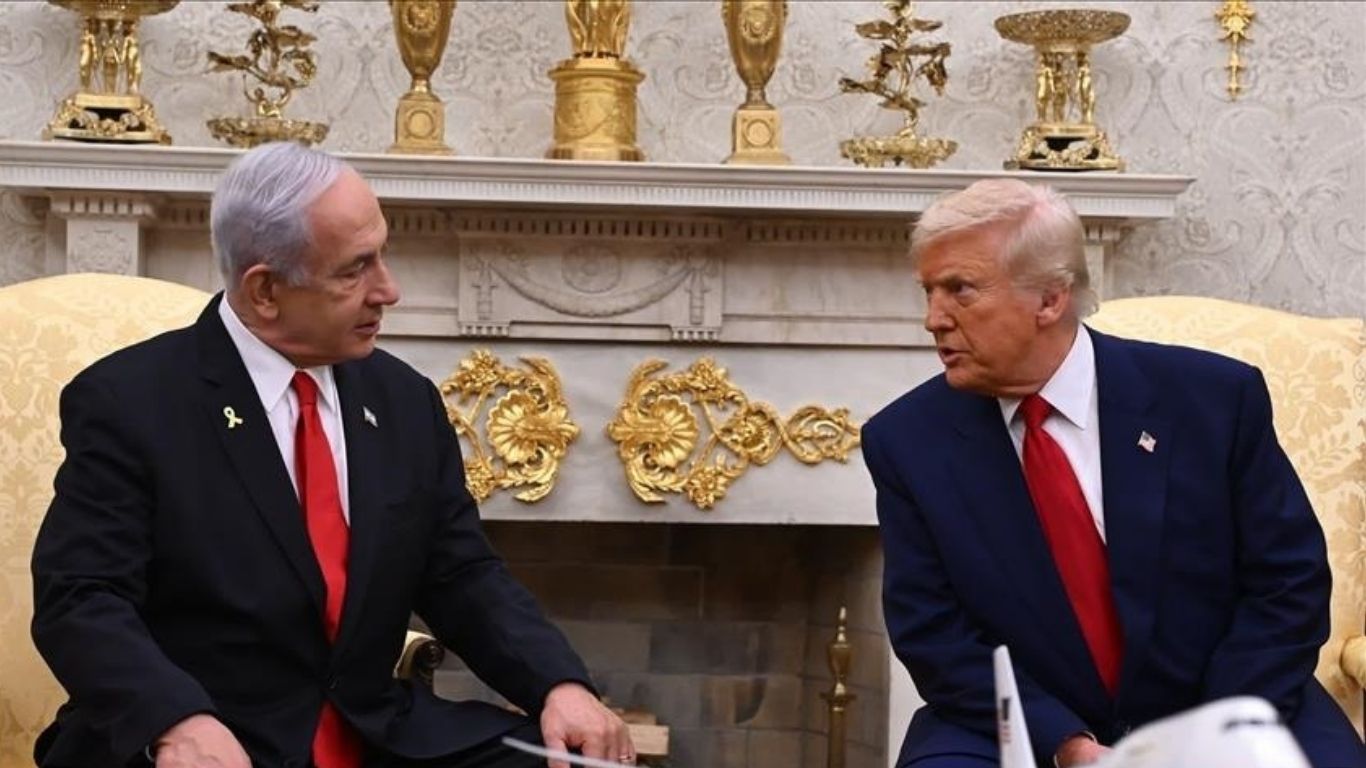
Tensions are rising between Donald Trump and Benjamin Netanyahu. From Iran and Gaza to economic tariffs and diplomatic snubs, here are five undeniable signs their once-solid relationship is unraveling.
In a startling twist that could redefine U.S.-Israel relations, former U.S. President Donald Trump and Israeli Prime Minister Benjamin Netanyahu, once staunch allies, are drifting apart in ways that have both personal and geopolitical consequences.
Despite strong historic ties between Washington and Tel Aviv, the relationship between these two iconic leaders has sharply deteriorated. A recent New York Times report, dismissed by Israeli officials as “fake news,” revealed that Netanyahu threatened to sabotage U.S.-Iran nuclear negotiations an action that would deeply undermine Trump’s current diplomatic strategy.
But this report is just the tip of the iceberg.
From foreign policy to economic decisions, a string of contentious developments points to a deeper rupture. Here’s a breakdown of the five most powerful signs the Trump-Netanyahu alliance is unraveling:
Iran Nuclear Deal: A Strategic Chasm
Trump has embraced a more pragmatic, diplomatic approach toward Iran’s nuclear ambitions, aiming to strike a deal that limits enrichment without triggering war. Netanyahu, however, remains unyielding. For him, any agreement that allows Iran to retain nuclear infrastructure is an existential threat to Israel.
In what’s being interpreted as a direct challenge to Trump’s approach, Israeli officials have hinted at unilateral military action even if the U.S. achieves a deal. Netanyahu sees Iran’s uranium enrichment as a “red line,” while Trump views diplomacy as a strategic win. The result? A widening chasm over one of the region’s most volatile issues.
Gaza Hostage Release: Clashing Narratives
The release of Israeli-American hostage Edan Alexander has exposed glaring inconsistencies between the leaders. Trump hailed the event as a breakthrough a step toward de-escalation in Gaza. Netanyahu? He downplayed it, reinforcing his military-first narrative and stating that no concessions were made to Hamas.
Behind the contrasting messages lies a bigger conflict: Trump is advocating for humanitarian relief and new aid mechanisms to bypass Hamas. Netanyahu, while technically supportive of aid delivery reforms, continues to prioritize military operations over diplomacy no matter the humanitarian cost.
Yemen Ceasefire: Israel Sidelined
Earlier this month, Trump’s administration secured a landmark ceasefire with Houthi rebels in Yemen but failed to inform Israel, a country directly impacted by Houthi aggression.
The move shocked Israeli officials. The Houthis have previously launched attacks near Ben Gurion Airport, yet the ceasefire excluded Israeli concerns entirely. This blindsiding moment suggested that Trump is recalibrating U.S. regional alliances, prioritizing broader diplomatic wins over Israel’s specific security interests.
Economic Shock: Trump’s Tariff Strike
In a dramatic policy shift, Trump imposed a 17% tariff on key Israeli imports, citing ballooning financial aid costs and the need to bolster U.S. industries. Israeli businesses were blindsided.
For years, the U.S.-Israel trade relationship has been one of mutual benefit. But the new tariffs hint at a transactional phase in the alliance one where “America First” trumps unconditional support. The economic pressure has inflamed Israeli concerns about losing their privileged position under Trump.
Diplomatic Snub: Israel Left Off Trump’s Mideast Tour
If symbolism matters in diplomacy, Trump’s latest Middle East tour sent a loud message: Israel is no longer the epicenter of U.S. regional strategy. Visiting Saudi Arabia, Qatar, and the UAE while skipping Israel entirely was a calculated move that left Netanyahu isolated.
Despite intense lobbying from Tel Aviv, Trump refused to include Israeli leadership in the itinerary. It’s a clear sign of shifting allegiances as Washington deepens ties with Gulf partners and steps back from Israel’s hardline diplomatic orbit.
What Experts Are Saying
Trita Parsi of the Quincy Institute summarized the moment:
“Trump has not turned against Israel, but he’s not willing to make an exception to America First… On Iran, Yemen, and Israel’s efforts to push the U.S. into more wars in the Middle East, he pushes back.”
Israeli commentator Dana Fahn Luzon put it more bluntly:
“Trump is signaling to Netanyahu, ‘Honey, I’ve had enough of you.’”
Why This Rift Matters
While U.S.-Israel military and intelligence cooperation remains solid, this growing personal and policy divide between Trump and Netanyahu is shaking the foundations of a decades-old alliance.
The future of Middle East diplomacy, counterterrorism strategy, and regional stability may hinge on how these two leaders manage their diverging agendas. With Iran negotiations hanging in the balance, Gaza’s humanitarian crisis escalating, and economic tensions simmering, the world is watching.
Conclusion
The Trump-Netanyahu partnership, once marked by unwavering solidarity, is now defined by friction, frustration, and fundamentally different visions for the Middle East. Whether this rift is temporary or the beginning of a long-term realignment remains to be seen. But one thing is clear: the golden era of Trump-Netanyahu unity is over.