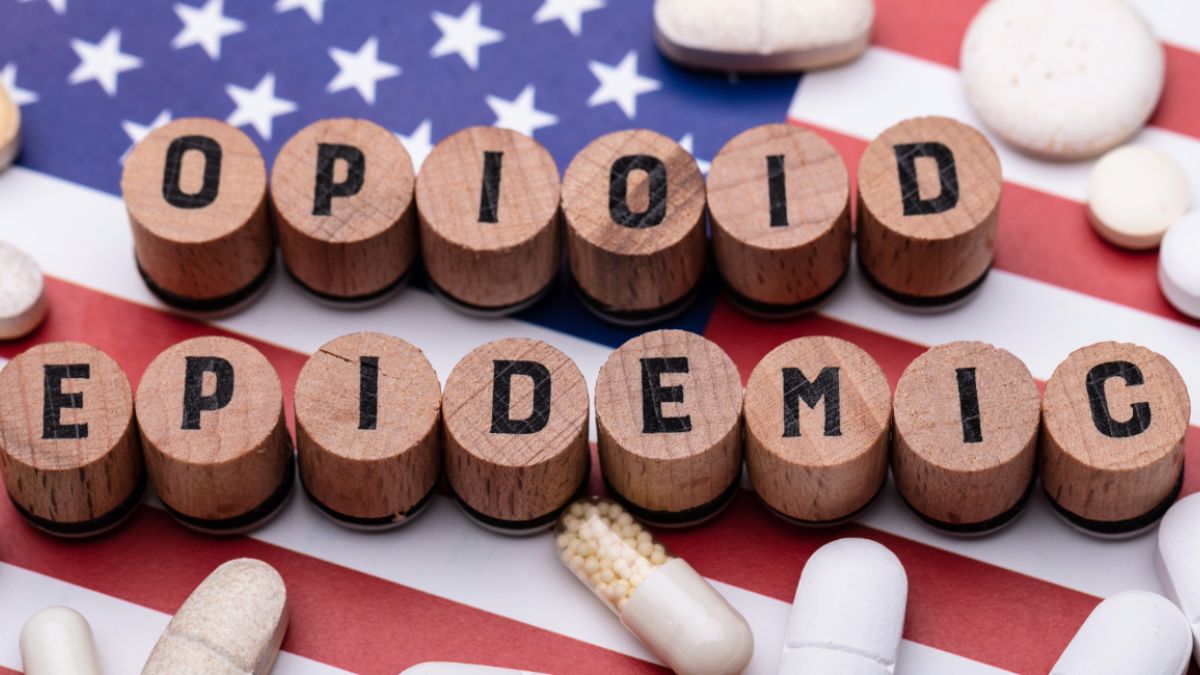
In 2023 alone, over 100,000 Americans have died from drug overdose and most from fentanyl. Opioid addiction then ballooned out into a public health epidemic that characterises our times with millions affected and healthcare systems stretched to breaking point across the world. There is no silver bullet in sight, and what is required is a multi-faceted response to bring an end to this epidemic, one that addresses underlying drivers and gets sustained policy interventions and innovative treatment programs to scale.
The Evolution of Opioid Crisis
The opioid crisis developed in three gigantic phases, namely drug access, medicine, and economic phases.
Wave 1: Opioid Prescription Addiction (1990–2010)
In the late 1990s, pharmaceutical firms marketed opioid pain medications like OxyContin with unfounded assertions that opioids are not highly addicting.
Doctors, reassured in this way, prescribed opioids in record numbers, and addiction swept across the nation.
By the 2010s, America was flooded with billions of pills of opioids, and addiction crises in doctor’s offices began.
Wave 2: The Rise of Heroin (2010s–Present)
As regulations surrounding prescription opioids have tightened, heroin has increasingly taken their place as a low-cost and readily available substitute.
Between 2010 and 2015, heroin overdose deaths increased threefold, a fatal twist in the epidemic.
Wave 3: Fentanyl Crisis (2015–Present)
Illicitly manufactured fentanyl, a 50 times more potent man-made opioid than heroin, began appearing in black market supplies.
Fentanyl is being most commonly cut with heroin, pills, and other prescription pills, and causing wholesale overdose deaths.
By 2023, fentanyl was causing over 75% of opioid overdose-related deaths, and this was the most deadly moment in the epidemic.
The Underlying Factors for Opioid Crisis
The opioid epidemic is not an addiction to drugs but a multi-faceted crisis driven by healthcare system failure, corporate responsibility, and economic policy.
1. Pharmaceutical Control and Excessive Prescription
Companies like Purdue Pharma have misrepresented doctors in saying that opioids are highly addictive.
In the early 2000s, doctors who ran “pill mills” prescribed opioids with minimal control.
2. Lack of Accountability and Regulation
The FDA and DEA could not control overproduction and distribution of opioid medications.
Billions of pills were prescribed and abuse in massive quantities was enabled.
3. Economic Hardship and Social Isolation
Job loss, poverty, and ongoing pain all caused most to seek out opioids for pain.
Areas with low levels of employment and a shrinking industry, like Appalachia and the Rust Belt, showed the highest rates.
4. Stigma and Limited Treatment Opportunities
Many fear legal punishment and do not receive any assistance.
Even when treatment is present, cost, insurance gap, and wait times all pose barriers.
A Framework for Solving Multidimensional Crises
Tackling the opioid crisis will necessitate a multi-faceted and sustained response with a public health approach, harm reduction, regulation, and education.
1. Expanding Access to Treatment
Medication-Assisted Treatment (MAT)
Methadone, buprenorphine, and naltrexone are used to stabilize and extinguish craving.
Studies show that over 50% of overdose risk can be lowered with MAT.
Rehabilitation and Recovery Programs
More inpatient and outpatient centers have to be established.
State-funded programs provide access to recovery.
2. Harm Reduction Strategies
Naloxone (Narcan) Dispersal
Naloxone can reverse opioid overdoses within minutes.
Making it available for public use, in drugstores, and first aid kits is crucial.
Supervised Injecting Facilities, Supervised drug use facilities where drugs are used in a medically supervised fashion, decrease death. This is a technique that has been used in states like Portugal and in Canada. 3. Keeping Pharmaceutical Corporations in Check
3. Stronger Prescription Regulations
Electronic tracking systems discourage overprescription of opioids.
Corporate Responsibility
Lawsuits against third parties and Purdue Pharma have cost them billions in settlement funds and litigation continues to go on and on.
4. Public Education and Prevention Programs
School and Workplace Awareness Programs
Teaching young workers and employees the opioid risks and pain management strategies to addiction is a good way to prevent addiction.
Breaking Stigma Surrounding Addiction
Shifting addiction from a criminal to a public health issue emphasizes more treatment and less punishment.
5. Addressing Underlying Socioeconomic Factors
Improving Health Care Access
Medicaid expansion and increased insurance coverage can provide access to individuals to undergo treatment.
Economic Relief and Job Training
Providing stable economic and income can assist in helping most opioid addiction-stricken communities.
The Global Problem: Spreading Worldwide
While the opioid crisis has devastated America, it is not an American epidemic.
Canada has also experienced a crisis in fentanyl-related overdose and has established country-wide policies to reduce harms.
The UK has battled opioid addiction and has seen mounting demands for expanded treatment programs.
China and Mexico are producing and shipping enormous quantities of fentanyl and thus there is a need for international cooperation.
A Call to Action: So What Do We Do
The opioid crisis calls for a multi-disciplinary approach from all aspects within society. All sectors in society should collaborate to develop prevention, reduce harms, and recovery policies. What You Can Do: Promote greater access to treatment and to programs to reduce harm. Call for stronger regulations on opioid production and distribution. If you or someone you know is addicted to opioids, contact [helplines, treatment facilities, and online communities]. Opioid use disorder is not just a public health crisis—but a challenge to America to meet pain with science, with compassion, and with unflinching action.