

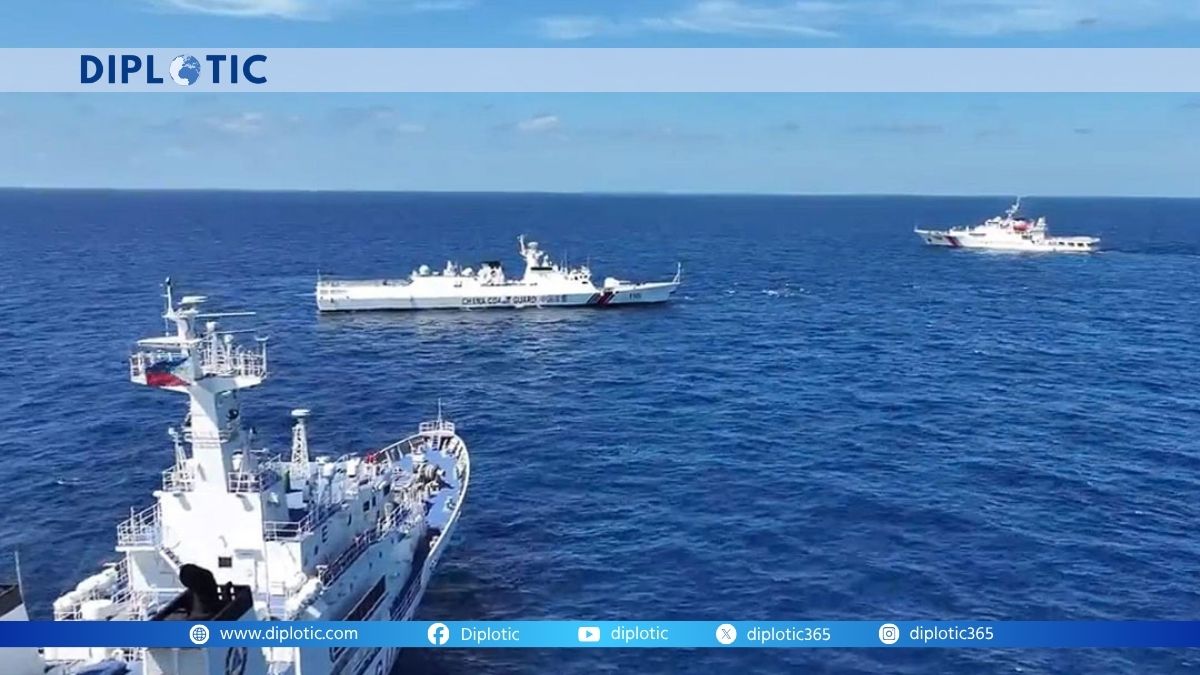
Tensions have surged dramatically in the South China Sea as the Philippines and China square off following a series of vessel collisions near contested maritime zones. This unfolding maritime crisis risks destabilizing the already volatile region, drawing intense international scrutiny and raising alarm bells over freedom of navigation, sovereignty claims, and regional security.
Rising Maritime Confrontation: Vessel Collision Incident
The immediate catalyst for the escalating tensions was a collision between Philippine and Chinese vessels near the disputed Spratly Islands, a strategic archipelago claimed by multiple countries. According to Manila, the clashes occurred when Chinese Coast Guard ships aggressively approached Filipino fishing boats, resulting in physical collisions and close-quarter maneuvers. Beijing, however, insists its vessels were conducting lawful patrols within its maritime boundaries, accusing the Philippines of provocative actions.
This confrontation in the South China Sea is emblematic of the deep-rooted territorial disputes that have simmered for decades, fueled by competing sovereignty claims and competition for rich fishing grounds and potentially vast underwater energy reserves.
Historical Context: A Longstanding Conflict Zone
The South China Sea is a linchpin of global maritime trade, with trillions of dollars in trade passing through annually. China’s expansive “Nine-Dash Line” claim overlaps with the exclusive economic zones (EEZ) of several Southeast Asian nations, including the Philippines. The region has witnessed numerous naval standoffs, diplomatic protests, and multilateral attempts to defuse tensions, most notably through ASEAN-led dialogues and the United Nations Convention on the Law of the Sea (UNCLOS).
Despite these frameworks, China’s steady militarization of artificial islands and aggressive policing tactics continue to challenge regional stability. The recent vessel collisions mark another worrying escalation in this complex geopolitical contest.
Manila’s Firm Response: Asserting Sovereignty
The Philippines has responded with strong diplomatic condemnations and calls for international support. President Ferdinand Marcos Jr. emphasized that Manila will “defend its sovereign rights and protect Filipino fishermen in the South China Sea.” Philippine naval and coast guard patrols have increased in frequency, signaling a clear intent to assert maritime claims and safeguard national interests.
The Philippine government is also working closely with allies, including the United States, to ensure freedom of navigation and uphold the rules-based international order in these contested waters. The presence of foreign naval forces has become a critical deterrent amid fears that unchecked Chinese actions could further destabilize the region.
China’s Position: Asserting Control and Sovereignty
China, asserting that its vessels were executing routine patrols, accused the Philippines of escalating tensions deliberately. Chinese Foreign Ministry spokesperson warned Manila against “illegal activities” and insisted Beijing’s sovereignty claims over the South China Sea islands are “indisputable.”
Beijing has continued to defend its territorial expansion and maritime control as vital for national security and economic development, including safeguarding vital sea lanes and exclusive resource zones. China’s strategic goal remains to consolidate control over key maritime features without direct military confrontation but with escalating non-military measures and coercive diplomacy.
Expert Analysis on Vessel Collisions and Maritime Risk
Christopher Sharman, retired US Navy officer, commented, “China’s reckless and unsafe maneuvers in the South China Sea have significantly increased the risk of collisions,” highlighting a pattern of behavior that violates international maritime regulations. Lyle Morris, senior fellow at the Asia Society Policy Institute, noted these incidents result from an operational culture that habitually disregards navigation rules, leading to dangerous and tragic outcomes.
Professor Jin Wang of Liverpool John Moores University added, “Human error combined with aggressive maneuvers in congested waters makes collisions highly likely.” He emphasized the need for resilient systems and better crew training to prevent such accidents, though investigations into this latest collision remain ongoing.
Regional and Global Security Implications
The vessel collision incident has rippled far beyond bilateral relations, raising grave concerns about security and stability across the Indo-Pacific region. The South China Sea remains a critical flashpoint where competing interests of regional powers intersect with those of global actors like the United States, Japan, and Australia.
The risk of accidental conflict or miscalculation grows with each naval encounter, threatening global shipping routes essential to the world economy. Furthermore, the incident underscores the growing urgency for a comprehensive, enforceable code of conduct in the South China Sea to avoid unintended escalation.
International Reactions: Calls for Restraint and Dialogue
Global powers and regional organizations have urged restraint from both parties. The Association of Southeast Asian Nations (ASEAN) and the United Nations have called for peaceful resolution and adherence to international law, particularly the UNCLOS conventions.
Washington condemned aggressive maneuvers against Philippine vessels, reiterating its mutual defense commitments and commitment to upholding freedom of navigation. The U.S. Navy is reportedly increasing patrol operations in the area to counterbalance China’s assertive posture.
Future Outlook: Navigating a Turbulent Maritime Frontier
As diplomatic efforts intensify, the South China Sea stands at a precarious crossroads. The Philippines faces the challenge of protecting its maritime rights while managing a complex relationship with China its major economic partner and regional power.
China, meanwhile, aims to solidify its maritime claims without triggering a broader military conflict but faces increasing pushback both regionally and internationally. The incident highlights the fragility of peace in a region where historical grievances, nationalistic fervor, and strategic competition intersect.
A Crucial Test for Regional Stability
The recent vessel collisions in the South China Sea have reignited fears of open conflict and intensified geopolitical rivalries. With stakes high, all parties must tread carefully to avoid further escalation, promote dialogue, and work toward a rules-based maritime order that respects sovereignty and maintains regional peace.
This evolving crisis calls for urgent, sustained diplomatic engagement and international cooperation to safeguard one of the world’s most critical and contested waterways.




