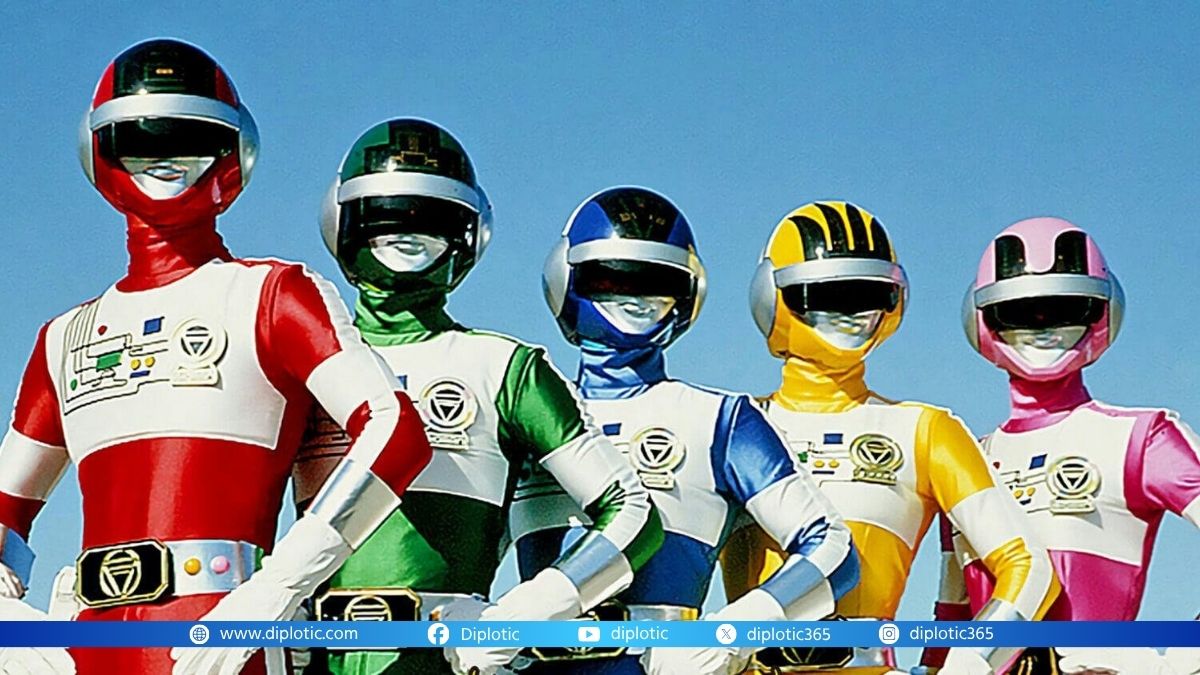
The legendary Japanese Super Sentai series, the inspiration behind Power Rangers, is ending after a remarkable 50-year run, marking a historic close to a global pop culture phenomenon with deep legacy and impact.
The iconic Super Sentai series, the Japanese tokusatsu franchise that inspired the global hit Power Rangers, has reportedly reached its final chapter after an unprecedented 50 years of mesmerizing audiences worldwide. This historic conclusion signals the end of a cultural era that revolutionized children’s entertainment and spawned countless adaptations, including the highly successful American Power Rangers franchise.
The Origins and Legacy of Super Sentai: A Half-Century of Innovation
Super Sentai, launched in 1975 with Himitsu Sentai Gorenger, was created by legendary manga artist and television creator Shotaro Ishinomori. This series introduced the blueprint of a team of color-coded heroes combating evil forces a theme that resonated strongly with viewers of all ages. Over time, the franchise evolved to blend martial arts, giant robots (mecha), and vibrant storytelling, becoming a staple in Japanese television.
The development of Super Sentai was notable for pioneering the tokusatsu genre (special effects-heavy live-action shows). Its innovative use of costumes, choreographed fight scenes, and mechanical giants quickly gained a cult following. The Show’s collaboration with Marvel in the late 1970s further brought impactful elements such as giant robot battles, notably with Battle Fever J, cementing the show’s signature style.
Power Rangers: The American Adaptation That Became a Global Phenomenon
In 1993, the Japanese Super Sentai series was adapted into Power Rangers, debuting with Mighty Morphin Power Rangers based on Kyoryu Sentai Zyuranger. The adaptation ran with a fresh narrative while utilizing action scenes and suits from the original Japanese series. This formula bridged cultural gaps and won millions of fans internationally, turning Power Rangers into a multimedia franchise with TV shows, movies, video games, and merchandise.
The Power Rangers franchise leveraged the imaginative plots and dynamic action sequences from Super Sentai but tailored the storylines to Western tastes. Over the decades, every Power Rangers season has roots in a corresponding Sentai show from early iconic series to recent ones like Power Rangers Cosmic Fury. This adaptation strategy was fundamental in sustaining the franchise’s popularity for more than 30 years.
The End of an Era: Japanese Super Sentai Concludes with Gozyuger
As of October 2025, multiple reports confirm that the Super Sentai series will conclude with the finale of No.1 Sentai Gozyuger, marking the end of a landmark 50-year journey. The announcement, while official statements from Japanese broadcasters or producers are pending, signals a cultural milestone in the tokusatsu and superhero genre.
This development holds significant implications for fans and the broader entertainment landscape. It highlights a rare closure to a franchise that has continually reinvented itself across five decades. The Super Sentai’s approach introducing new teams, robots, and villain archetypes annually has been a source of inspiration for numerous global franchises, high-energy storytelling, and technological innovation in special effects.
Why Does the Conclusion Matter for Power Rangers and Global Fans?
The end of Super Sentai is deeply symbolic for the Power Rangers’ worldwide fanbase. Since Power Rangers has historically sourced its action footage and concepts from Sentai, this news raises questions about the future of the adaptation. Despite the enduring popularity of the Power Rangers brand, the cessation of its primary source material could lead to significant creative shifts, new franchise directions, or even a winding down akin to Super Sentai’s closure.
More than entertainment, both franchises have shaped generations with themes of teamwork, courage, and empowerment. The conclusion of Super Sentai represents a natural yet poignant transition in modern pop culture, signaling the twilight of an innovative storytelling era.
The Cultural Impact and Enduring Influence of Super Sentai
Super Sentai’s half-century journey expanded the boundaries of tokusatsu and superhero storytelling. Its influence resonates in various media forms from comics and animation to live events and merchandising. The franchise’s color-coded teamwork and giant robot battles became universal archetypes, now deeply embedded in global pop culture and children’s entertainment.
The legacy includes nurturing a dedicated global fandom, evolving special effects technology, and pioneering cross-cultural media adaptations. The collaboration between Japanese creativity and Western localization in Power Rangers showcased how cultural exchange can birth enduring entertainment phenomena.
What the Future Might Hold
While the end of Super Sentai marks a closing chapter, the possibilities for Power Rangers and the superhero genre remain open. Creators may turn to original storylines, new creative partnerships, or fresh international sources to continue the vibrant legacy of team-based hero stories.
For fans worldwide, this moment is bittersweet but also a celebration of decades of imaginative adventure, spirited battles, and timeless heroism inspired by Super Sentai’s unmatched influence.