

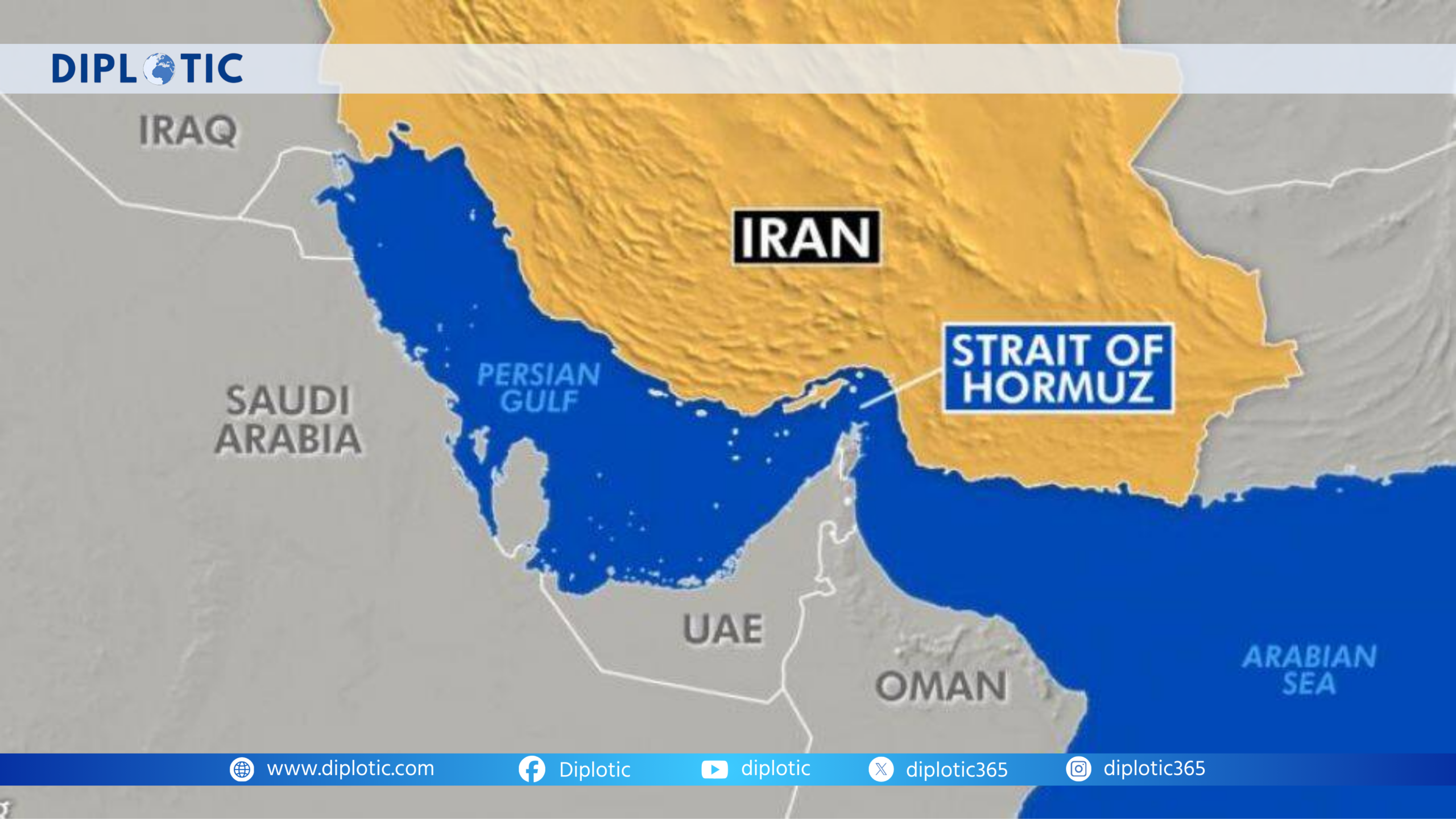
The Strait of Hormuz sits at the narrow exit of the Persian Gulf. At its tightest point, it measures only 21 miles wide. Every day before the current war, its shipping lanes carried about 20 million barrels of oil—roughly one fifth of all seaborne oil trade—plus large amounts of liquefied natural gas. Since the United States and Israel began strikes on Iran on February 28, 2026, this vital waterway has seen traffic drop to almost nothing. Oil prices jumped from around $72 a barrel to over $126 at their peak, then swung wildly with each new statement or attack. The effects reach far beyond the Middle East. In India, one of the country’s largest crematoriums had to switch from gas to electricity or wood because supplies ran low. This small change shows how a conflict in one narrow stretch of water can touch daily life thousands of miles away. For decades, experts warned that the strait was a weak point in global energy. Now that weakness is clear, raising questions about how the world built its energy system around such a risky spot and what lessons it should learn while the crisis continues.
How did a simple waterway become the center of a major energy crisis?
The Strait of Hormuz connects the Persian Gulf to the open ocean. Tankers carrying oil from Saudi Arabia, Iraq, Kuwait, Qatar, the United Arab Emirates, and Iran itself must pass through it. The route is shaped like an S-curve, making it easy to disrupt. When Iran responded to the strikes, it did not need a full naval blockade or many mines. A few drone attacks on passing ships were enough. Insurance companies quickly stopped covering voyages through the area, calling it too dangerous. Shipping lines refused to send crews into a war zone. Speedboats and boarding parties from Iran redirected some vessels to Iranian ports. As a result, more than 3,200 ships became trapped inside the Gulf. Export volumes of crude and refined products fell to less than 10 percent of normal levels.
The irony is striking. Iran kept sending oil to China—more than 11 million barrels since the war started—while blocking others. Some ships turned off their tracking systems to make the journey. The United States even lifted some oil sanctions on Iran temporarily to help calm markets, even as it continued military action. Iran also opened an alternative export point at Jask on the Gulf of Oman. These steps show the blockade is not total but selective. It targets ships linked to the US, Israel, and their allies while allowing Iran’s main customers to continue. This selective control turns geography into a powerful tool. One narrow passage now influences prices, insurance rates, and even which countries can keep their energy flowing.
The price swings tell part of the story. Brent crude rose sharply in the first days of the war. Later, when President Trump spoke of talks with Tehran, prices dropped more than 11 percent in a single session before recovering. Volatility itself creates problems. Businesses cannot plan when costs change so fast. Airlines, factories, and transport companies face sudden jumps in fuel expenses. The deeper issue is that oil markets are connected worldwide. A loss of supply in one place raises costs everywhere because there is no easy replacement for the volume that normally moves through Hormuz.
What are the real impacts on countries near and far from the conflict?
Gulf producers feel the pressure first. With the strait largely closed, storage tanks filled quickly. Countries such as Iraq and Kuwait had to cut output. Shutting an oil well is costly and can damage the field, making it hard to restart later. Even if the strait reopens soon, full production could take months or years to return. Refining capacity in the region has also dropped by more than 3 million barrels per day. Some facilities were hit directly; others have nowhere to send their products. An attack on Qatar’s LNG plants could take three to five years to repair fully. This loss hits global supplies of jet fuel, gasoline, plastics, and other goods made from oil.
The effects spread quickly. In South Korea, gasoline prices rose so high that the government set a fuel cap for the first time in nearly 30 years. In India, people rushed to buy cooking gas, leading to hoarding. The government carried out thousands of raids and seized many cylinders to keep supplies fair. Sales of induction cooktops jumped sharply as families looked for alternatives. Australia faces risks because of limited local refining and reserves. Even the United States sees higher costs. American gasoline prices climbed more than 50 cents per gallon on average, and crude prices rose over 30 percent since the war began.
The crisis also affects food and other needs. Reduced fertilizer exports from the region raise concerns for farming in places that depend on those supplies. The bidding war for remaining LNG cargoes has pushed prices higher for buyers in Asia and Europe, who turned to LNG after earlier disruptions from the war in Ukraine. These connected shocks show how modern energy systems link distant places. A drone strike in a narrow strait can raise living costs for families far away who never thought about the Persian Gulf.
Why were warnings about Hormuz ignored despite years of study?
Experts have studied the risks of the Strait of Hormuz for decades. They ran war games, built models, and wrote reports about what could happen if it was disrupted. The 1973 oil embargo offered an early lesson when Arab producers cut supplies and prices quadrupled, leading to economic pain and the creation of the International Energy Agency. Later events, including tensions with Iran in the past, kept the strait on lists of global weak points. Yet when the current war started, the scale of disruption seemed to catch some leaders by surprise. President Trump suggested that no one had expected Iran’s response, but records show repeated warnings existed.
The International Energy Agency released its largest ever coordinated stockpile draw on March 11—400 million barrels, more than twice the amount used after Russia’s invasion of Ukraine in 2022. The United States committed 172 million barrels from its Strategic Petroleum Reserve. Japan, Germany, South Korea, and others also released stocks. These moves eased prices for a short time, but analysts noted that 400 million barrels equals only about four days of global production or 16 days of normal Hormuz traffic. Pipelines like Saudi Arabia’s East-West line offer partial help, but they cannot replace the full volume and have now become targets themselves. Alternative routes around Africa add weeks and much higher costs.
The comparison to 1973 is useful but not exact. That earlier crisis was a planned embargo by producing countries. Today’s problem comes from active fighting, with physical damage to facilities and contested shipping lanes. Decision-making by a few leaders can change flows quickly, adding to uncertainty. Models suggest that even one quarter of closure could cut global GDP growth noticeably. Longer disruption would deepen the losses. The world built much of its energy system around this single 21-mile bottleneck. When someone effectively placed a knife against it, the lack of ready backups became clear.
What lessons emerge for energy security in a risky world?
The current crisis highlights two clear points. First, the vulnerability of the Strait of Hormuz was never hidden. It had been studied and discussed for years. The fact that major powers still faced such disruption suggests gaps in planning. Relying so heavily on one chokepoint left the system open to sudden shocks. Second, countries that prepared through diversification are handling the pressure better. China has built large amounts of wind and solar power. For the first time, its renewable capacity exceeds fossil fuels on the grid. Pakistan, hurt by price shocks in 2022, expanded solar strongly and now ranks among the top markets for it. These steps do not remove all risks, but they reduce dependence on distant oil routes.
Diversification remains the most reliable way to lower exposure. More renewable sources, stronger local production, larger strategic reserves, and better pipelines or rail links for energy all help. The crisis also shows that volatility matters as much as high prices. Markets react to every statement or attack, making planning difficult for businesses and governments. As the conflict continues, some companies are preparing for months of trouble if the strait stays restricted. Iran’s new leadership has promised to keep pressure on the waterway, while talks and pauses create short periods of hope followed by renewed uncertainty.
In the end, the events around Hormuz remind us that energy security depends on more than military strength. It requires reducing single points of failure and building systems that can adapt when trouble hits. The quiet change at an Indian crematorium—from gas to electricity—stands as a small sign of wider adjustments happening around the world. As leaders and markets watch the narrow strait, the broader question is whether this crisis will finally push nations to strengthen their energy foundations or if the world will return to old patterns once the immediate danger passes. The answers chosen now will shape how well countries handle the next shock to the world’s energy flows.




