As historic churches and houses of worship close, communities face the loss of vital economic and social support systems. Discover how adaptive reuse and policy change can help save these sacred spaces.
Churches Are Closing, and With Them, Critical Community Support
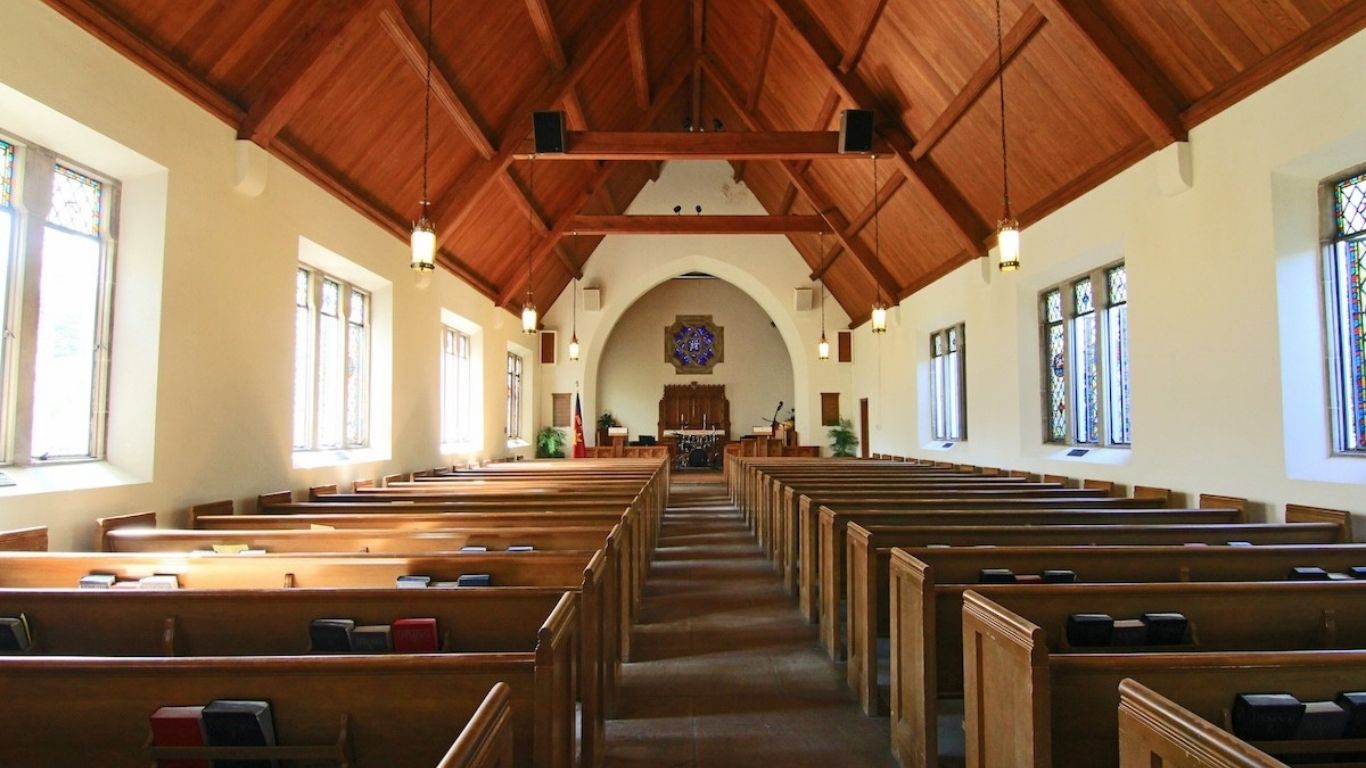
Across the United States, church bells that once rang through neighborhoods are going silent. In cities like Philadelphia, churches, synagogues, mosques, and temples are being sold, shuttered, or demolished. While declining religious attendance plays a role, the crisis runs deeper it’s about the disappearance of social infrastructure and the failure to recognize the broader economic and civic value of these sacred spaces.
If you’re not part of a congregation, you might ask: Why does this matter? The answer lies in the essential role these buildings play in community life, beyond religion.
Sacred Spaces: Community Anchors Disguised as Houses of Worship
Places of worship are more than spiritual sanctuaries they are civic hubs. These historic buildings are woven into the fabric of their neighborhoods, supporting essential services that reach far beyond their congregations. From food pantries and homeless shelters to after-school programs, voting stations, and emergency response hubs, sacred spaces provide lifelines to underserved communities.
According to a 2016 Halo Effect study by Partners for Sacred Places and the University of Pennsylvania, the average urban house of worship generates \$1.7 million annually in economic impact. And nearly 90% of those served by these programs are not members of the religious community, illustrating the reach of their social mission.
Despite this, municipalities often fail to step in when these buildings face closure a costly oversight with far-reaching consequences.
The Economic and Social Costs of Doing Nothing
The closure of a church or temple is not just a spiritual loss. It can trigger a cascade of negative outcomes: increased food insecurity, fewer services for the unhoused, diminished access to childcare and health clinics, and the disappearance of public gathering spaces. In low-income neighborhoods, where such resources are already scarce, the impact is magnified.
Architecturally, these sacred spaces are often among the oldest and most culturally significant buildings in a city. Their demolition erases history, character, and beauty from urban landscapes — and once gone, they are gone for good.
Policy Solutions: How Cities Can Save and Repurpose Sacred Spaces
What can be done to stop the tide? Plenty, but it requires political will, smart policy, and public-private investment.
Here are key strategies local governments can adopt:
1. Integrate Sacred Places into Urban Planning
Rather than seeing religious properties as irrelevant to civic life, cities must recognize their economic and social value. Including these buildings in community development plans is a crucial first step.
2. Support Public-Private Partnerships
Incentivize congregations to collaborate with community organizations. Offer grants for capital improvements that allow these buildings to function as multi-use facilities, community centers, cultural venues, or even co-working spaces for social enterprises.
3. Fund Adaptive Reuse Initiatives
Just as tax credits help restore old theaters or warehouses, cities can create funding programs for the adaptive reuse of sacred places. The National Fund for Sacred Places, in partnership with the National Trust for Historic Preservation, has already helped over 100 congregations secure \$50 million for restoration and repurposing efforts.
4. Reform Zoning Laws
Restrictive zoning prevents many churches and temples from evolving to meet new community needs. By updating land use regulations, cities can unlock the potential of these properties to host everything from libraries and artist studios to housing and kitchens.
Success Stories: Sacred Spaces Reimagined
Examples from across the country show what’s possible with the right vision and support:
Bridge Ministry Center, NYC– A closed church reborn as affordable office space for nonprofits and entrepreneurs.
Calvary United Methodist Church, Philadelphia – Partnered with Curio Theatre and local groups to turn its basement into a vibrant cultural and community space.
Church of the Epiphany, Washington, D.C. – Transformed into a performing arts venue that sustains itself while enriching the city’s cultural scene.
St. Vincent de Paul Catholic Church, Philadelphia – Offers meals, legal aid, health services, and shelter to those in need after a major restoration.
These case studies prove that with innovation and collaboration, sacred places can become powerful engines for civic renewal.
A Call to Action: Preserve the Backbone of Our Communities
The preservation and transformation of sacred places is not a religious issue alone; it is a public policy, economic development, and social justice imperative. These buildings can be revived as inclusive, multi-use community anchors, even if worship attendance declines.
Cities like Philadelphia, known for progressive values, now face a test: Will they step up and invest in preserving their sacred spaces, or stand by as they disappear?
The solutions are clear. What remains is the will to act.