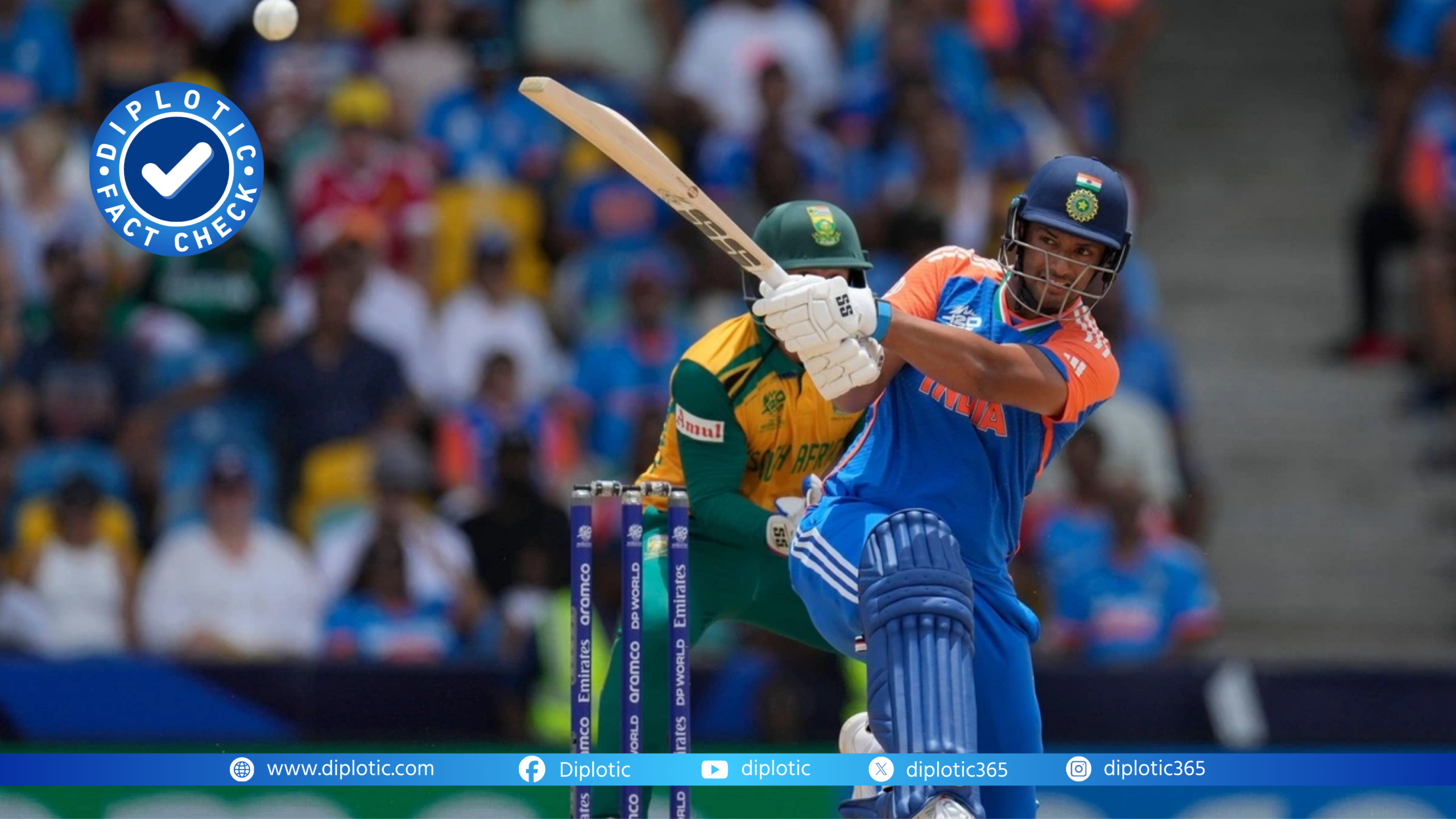
Shivam Dube, the Indian all-rounder known for his powerful hitting and useful bowling, often draws attention both on and off the field. During the first T20I match against New Zealand in Nagpur on January 21, 2026, his new hairstyle became a major talking point. The look—short sides with longer hair on top, neatly combed straight and sideward—sparked quick reactions on social media. Memes, jokes, and comparisons spread fast, leading to debates about whether this is part of a larger pattern of public scrutiny on cricketers’ appearances or if the reactions are being overstated as “criticism.”
This matters because celebrity athletes in India face intense online attention. Their looks, form, and personal choices often become topics of national discussion. Such moments highlight how social media mixes humor, fandom, and sometimes harsh judgment. Understanding if this is a trend helps see wider patterns in how public figures are treated, including the balance between light-hearted banter and unfair targeting. It also touches on cultural views of style, grooming, and masculinity in sports.
This article examines 4–5 major claims from news reports, social media posts, and fan discussions. It draws on verified sources like sports news outlets (Free Press Journal, NewsX, Hauterrfly), Instagram, Threads, and X posts from January 21–22, 2026. It provides historical and social context, points out contradictions, and explores deeper implications.
Claim 1: The Criticism of Shivam Dube’s Haircut Is Mostly Negative and Harsh Trolling
Many headlines describe the reactions as “trolling,” “roasting,” or “massive trolling,” with fans calling it shocking or unflattering.
Reports show a mix. Some users compared the style to Adolf Hitler due to the parted, combed look, which sparked controversy and memes. Others labeled it a “mumma’s boy” or “schoolboy” haircut, joking it looked like one forced by an Indian mother—complete with oil and neat parting. Posts on X, Instagram, and Threads included lines like “Every Indian mom approves this cut instantly” or “Shivam Dube’s haircut reminds me of my hairstyle when my mother used to take me to the barber.”
However, much of the tone was humorous rather than purely mean. Many reactions were playful, tying the look to childhood memories or calling it “cute” in a teasing way. Positive or neutral comments noted it as a clean, retro style. The Hitler comparisons drew more serious backlash for being insensitive, but they were part of meme culture rather than widespread hate.
Historically, Indian cricketers have faced appearance-based jokes—Virat Kohli’s beard phases or Yuvraj Singh’s hairstyles drew similar banter. Socially, in a cricket-obsessed culture, players’ off-field looks become fair game during matches.
A contradiction: while some called it trolling, the volume came from fans engaging positively with the team’s win, using the haircut as comic relief.
Verdict: Misleading. Reactions include criticism and jokes, but much is light-hearted humor rather than sustained harsh negativity.
Claim 2: This Is Part of a Broader Trend of Viral Criticism Toward Cricketers’ Appearances
The claim suggests Dube’s case fits a pattern where players’ looks face disproportionate online scrutiny.
Evidence supports this to some extent. Cricketers often trend for style—Jasprit Bumrah’s mustache, KL Rahul’s fashion, or Shubman Gill’s grooming spark debates. Social media amplifies minor changes during high-visibility events like T20Is. Dube’s haircut went viral during a live match, overshadowing aspects like Abhishek Sharma’s batting in some posts.
Culturally, Indian social media blends admiration with roasting. Cricket stars are national icons, so personal changes invite commentary. In the age of memes, quick visuals like hairstyles spread faster than performance stats.
However, not every look draws equal attention. Dube’s stood out because it differed from his usual curly or longer style, and the neat, side-parted look evoked strong cultural associations (school days, parental approval).
Trade-offs: such trends build fan engagement but risk body-shaming or distraction from sport. Wider implications include pressure on athletes to maintain image.
Verdict: True with nuance. It fits a recurring pattern of appearance-based viral moments in Indian cricket, though intensity varies.
Claim 3: The Reactions Are Being Misrepresented as Serious Criticism When They Are Just Harmless Memes
Some defend the buzz as fun banter typical of cricket fandom, not real hate.
Many posts were indeed memes—side-by-side photos, funny captions, or “Indian mom approved” jokes. Platforms like Instagram reels and X threads focused on humor, with high likes on light content. Even critical ones often used laughing emojis, suggesting playfulness.
Yet, Hitler comparisons crossed into sensitive territory, drawing ethical concerns about historical references for laughs. Some users expressed dislike (“chapadganju hairstyle” or pleas to change it), showing a range.
From a social view, meme culture in India often uses exaggeration for entertainment. But mislabeling all as harmless ignores when jokes hurt or reinforce stereotypes.
A contradiction: fans celebrate Dube’s power-hitting while teasing his look, showing affection mixed with ribbing.
Verdict: Partially true. Much is harmless meme-making, but some elements risk being offensive, so calling it all harmless overlooks variety.
Claim 4: Social Media Overhyped the Haircut, Making It Seem Like a Major Controversy
Claims suggest media and users blew it out of proportion.
Coverage from Free Press Journal, Hauterrfly, and NewsX used words like “sparks memes” and “hilarious reactions,” focusing on viral spread rather than deep outrage. No evidence of boycotts, campaigns, or long-term backlash emerged. Attention peaked on match day (January 21) and faded quickly.
In context, cricket matches generate real-time trends—haircuts, celebrations, or slips become instant content. This one gained traction because it was visual and relatable.
The trade-off: viral moments boost engagement for media and fans but can distort reality, making minor things seem big.
Verdict: True. It was a short-lived viral topic driven by memes, not a sustained controversy.
Claim 5: This Reflects a Shift Away from Curly Hair Trends in 2026
Some articles asked if curly hair is “losing trend” based on Dube switching to straight.
No broad evidence supports a hairstyle shift in sports or society. Dube’s change seems personal, perhaps for practicality or preference. Past trends show variety—curly, undercut, long—all popular among players.
Culturally, neat, oiled looks tie to traditional grooming in many Indian families, contrasting modern messy styles.
Implication: linking one player’s choice to a trend overgeneralizes.
Verdict: False. No sign of a larger curly-hair decline; it’s individual.
In summary, reactions to Shivam Dube’s new haircut blend humor, nostalgia, and mild teasing rather than outright viral hate. While fitting a pattern of appearance scrutiny in Indian cricket, it is not a major controversy but a typical social media moment amplified during a match. Contradictions show fandom’s dual nature—supportive yet playful. Deeper effects include how such trends humanize athletes while adding pressure. For fans, focusing on performance over looks keeps discussions balanced, reminding that cricket’s joy lies in the game, not grooming debates. (Word count: 1,156)