

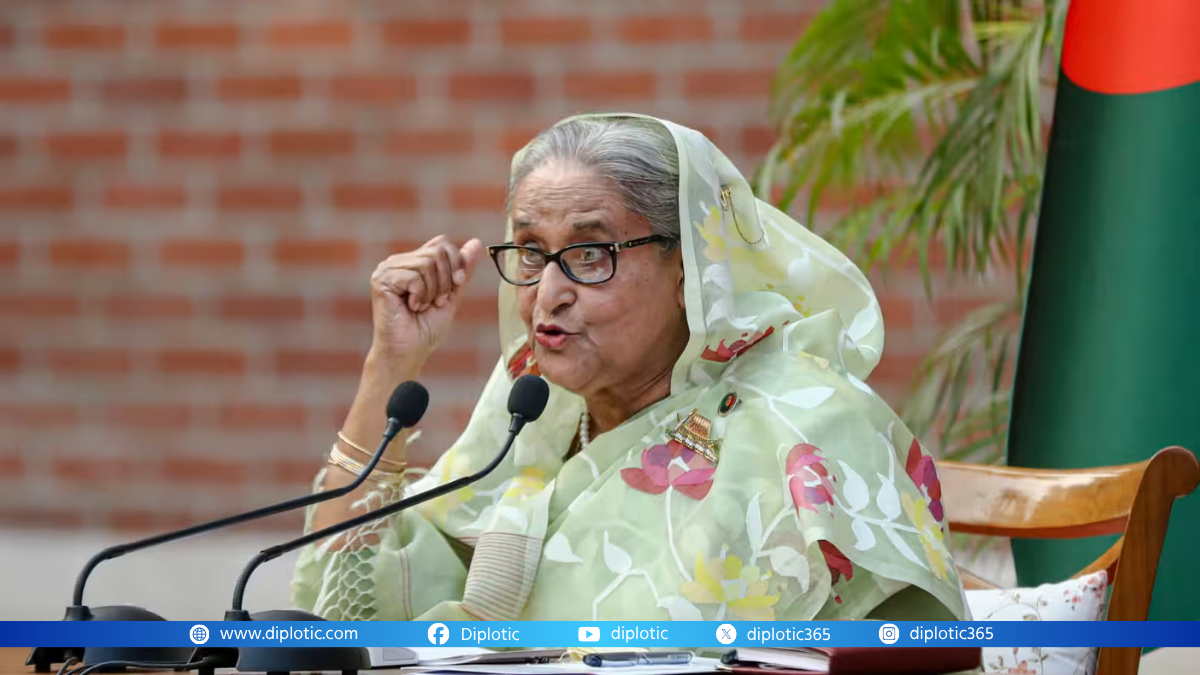
Bangladesh now faces a deepening crisis that threatens the fabric of its democracy. Former Prime Minister Sheikh Hasina, currently a fugitive leader in exile in India, has issued a stark warning about the exclusion of her Awami League party from the crucial elections scheduled for February 2026. This move by the interim government, led by Nobel laureate Muhammad Yunus, is poised to exacerbate political divisions, disenfranchise millions of voters, and destabilize Bangladesh’s fragile democratic progress.
The pivotal moment comes after the dramatic student-led uprising in August 2024, which toppled Hasina’s government but claimed up to 1,400 lives, according to United Nations reports. The aftermath saw increased crackdowns, bans on political parties, and ongoing war crimes investigations centered on the former regime’s leaders.
The Awami League Ban: Political Exclusion or National Security Imperative?
The interim administration has enacted amendments to Bangladesh’s antiterrorism laws, resulting in the ban of the Awami League from contesting next year’s elections. Citing concerns about national security and ongoing war crimes probes, the government has positioned this exclusion as necessary to uphold law and order. However, critics regard the ban as draconian and politically motivated.
Human Rights Watch and international observers have condemned the move, warning that it threatens electoral fairness and undermines democratic norms. The Awami League, with millions of dedicated supporters, remains central to the country’s political identity. Hasina’s vocal opposition to the ban underscores the risk of voter suppression and increased political polarization.
“Millions of people support the Awami League, so as things stand, they will not vote,” Hasina declared in a recent statement. She emphasized that sidelining a major political faction risks disenfranchising a significant portion of the electorate, potentially delegitimizing the entire electoral process.
Electoral Prospects: Bangladesh Nationalist Party’s Return and Islamist Surge
In the absence of the Awami League, the Bangladesh Nationalist Party (BNP) is predicted to reclaim political prominence. The BNP boycotted the 2024 polls due to crackdowns and exile of its leadership, but the evolving political landscape suggests its reemergence. Additionally, Jamaat-e-Islami, Bangladesh’s largest Islamist party, is rapidly gaining traction, signaling a shift in the country’s political dynamics.
This realignment raises concerns about the balance of power, governance stability, and the role of Islamist forces in shaping Bangladesh’s future policies. Observers caution that the rising influence of religious-based parties could affect both domestic and international relations, adding complexity to the country’s already volatile political environment.
War Crimes Trial and Its Diplomatic Repercussions
Sheikh Hasina stands accused before Bangladesh’s International Crimes Tribunal of crimes against humanity related to the 2024 uprising crackdown. The tribunal’s chief prosecutor labeled her “the nucleus around whom all the crimes were committed,” recommending the death penalty if found guilty. Allegations include orchestrating disappearances and torture via clandestine state-run detention centers.
Hasina has dismissed the trial as a “politically motivated charade” and refused to attend court proceedings. She contends that the charges, including orders to violently suppress protesters, are baseless. Contrarily, prosecutors have presented audio evidence allegedly confirming Hasina’s direct commands to use lethal force.
The trial’s outcome, due November 13, is bound to reverberate far beyond Bangladesh’s borders. The prosecution’s insistence on fairness competes with international skepticism about politically influenced judicial processes, raising questions on Bangladesh’s human rights record and democratic integrity.
Calls for International Investigation and Global Diplomatic Implications
The Awami League’s legal team recently petitioned the International Criminal Court in The Hague to investigate reports of retaliatory violence tied to the ongoing political crisis, including beatings and lynchings. This international appeal highlights concerns about continued human rights violations and seeks global oversight.
Such international involvement could reshape Bangladesh’s diplomatic relations, especially with influential regional neighbors like India and the global community focused on democratic governance and human rights. The country stands at a crossroads where internal political strife intersects with complex geopolitical interests.
The Path Forward: Democratic Stability Hinges on Inclusive Elections
Bangladesh’s future depends heavily on how forthcoming elections are conducted. Excluding a major party risks alienating millions and perpetuating instability. The interim government faces the delicate task of balancing accountability for past violence with inclusive democratic processes that reflect the will of its people.
Sheikh Hasina’s rallying call for reinstating the Awami League’s right to participate underscores the broader challenge: sustaining democratic legitimacy amid deep political fractures. “We still hope common sense will prevail and we will be allowed to contest the election ourselves,” Hasina stated, appealing for a political system that embraces full electoral participation rather than exclusion.
As Bangladesh prepares for historic elections, the international community watches closely. Ensuring free, fair, and inclusive polls could restore trust and avert further turmoil. The stakes could not be higher for Bangladesh’s democracy, regional stability, and global human rights commitments.




