Nicolas Sarkozy released, French ex-president freed, Libya campaign finance scandal, prison appeal 2025, legal turnaround in France, Sarkozy judicial supervision, ex-president jail break, campaign financing in France
Release from Prison: A Snap Turnaround
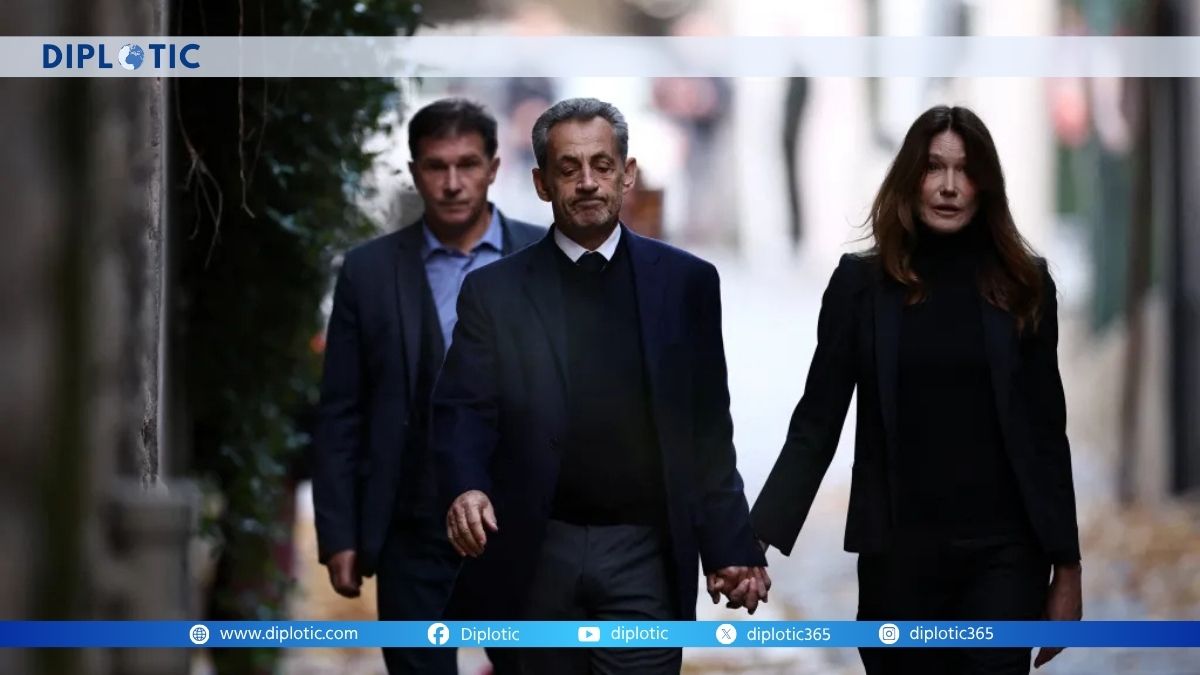
Former French president Nicolas Sarkozy, once the strongman of French politics from 2007-2012, has been released from prison after just three weeks behind bars. The Paris appeals court granted his conditional release, citing that he no longer posed a risk of obstructing the judicial process.
Sarkozy’s release comes after he began a five-year prison term on October 21, 2025, for his role in a criminal conspiracy tied to alleged campaign financing from Libya. The court’s decision to allow a release under supervision rather than full incarceration signals both the complexity of high-profile political justice and the extraordinary nature of the case.
The Backdrop: From Élysée to La Santé
In September 2025, the Paris Criminal Court sentenced Sarkozy to five years in prison after finding he and his aides engaged in a conspiracy to raise illegal campaign funds from the regime of the late Libyan dictator Muammar Gaddafi for his victorious 2007 presidential campaign.
When he reported to the notorious La Santé Prison in Paris, the scene was historic: the first time a modern French head of state was incarcerated while his appeal process was underway. He was held in special confinement status, given his former high office.
Yet barely three weeks into the term, the court granted the supervised release. The rules of the sentence allowed for this possibility, given the appeal was pending, which meant, though convicted, he did not have to remain behind bars during the full appeal cycle.
Conditions of Release & Legal Elasticity
Under the release order, Sarkozy is subject to judicial supervision: he is banned from leaving France and from contact with certain individuals connected to the case, including the current Justice Minister.
His lawyers described it as “a first step” in a broader appeal battle. The partial release underscores the unusual nature of trying a former president: the legal system configured exceptional measures without wholly suspending the sentence or allowing full freedom.
Political & Judicial Implications
This episode resonates deeply on three fronts:
1. Rule of Law in Action
Sarkozy’s incarceration and subsequent release under supervision signal that even the highest office does not provide immunity. The justice system’s willingness to enact a prison term, then convert it into supervised release while the appeal runs its course, sends a message of accountability.
2. Political Fallout and Public Trust
For the French public, the saga touches on trust trust in elected leaders, trust in campaign finances, and trust in the institutions that police them. The court cited the “exceptional gravity” of the offense, noting it risked undermining citizens’ trust.
3. Precedent for Future Leaders
Sarkozy’s case sets a legal reference point for how former heads of government might be treated. The blend of initial incarceration, appeal rights, and conditional release may become a template in future complex political-legal cases.
The Man in the Mirror: Sarkozy’s Response
Sarkozy has consistently maintained his innocence. Upon his sentencing, he declared he was an “innocent man” being locked up and vowed to fight on.
Supporters greeted his initial prison departure and monitored developments closely. Meanwhile, critics argued that release under supervision remains lenient given the seriousness of the charges. The former president now finds himself navigating house arrest-style restrictions while still engaged in active politics and public commentary.
What Happens Next?
The appeal process looms large:
The actual appeal hearing is scheduled for March 2026.
If the conviction is overturned or modified, his conditional release could be converted into full freedom or sentence adjustment.
If the conviction is upheld, the five-year term could be fully enforced though given his age (70) and the precedent of conditional release, the actual time served may differ.
For the moment, Sarkozy remains free under supervision, a figure of enduring controversy, yet technically a free man.
Why This Case Matters
Symbolic weight: A former French president behind bars is a rarity; his release three weeks later adds a twist.
Legal nuance: The interplay between a final conviction, incarceration, appeal rights and conditional release reveals how justice adapts to high-profile cases.
Campaign finance spotlight: The alleged Libyan funding, while historic in origin (2007), remains relevant as France grapples with transparency in political funding.
Public perception: How the French view elites, accountability, and justice is being shaped by this case.
Nicolas Sarkozy’s dramatic journey from the Palais de l’Élysée to prison, then to conditional release after just three weeks, is a striking chapter in France’s legal and political history. While he may now walk free (under restrictions), the underlying current of his appeal, the still-open questions about campaign funding, and the broader implications for French democracy remain very much alive.