

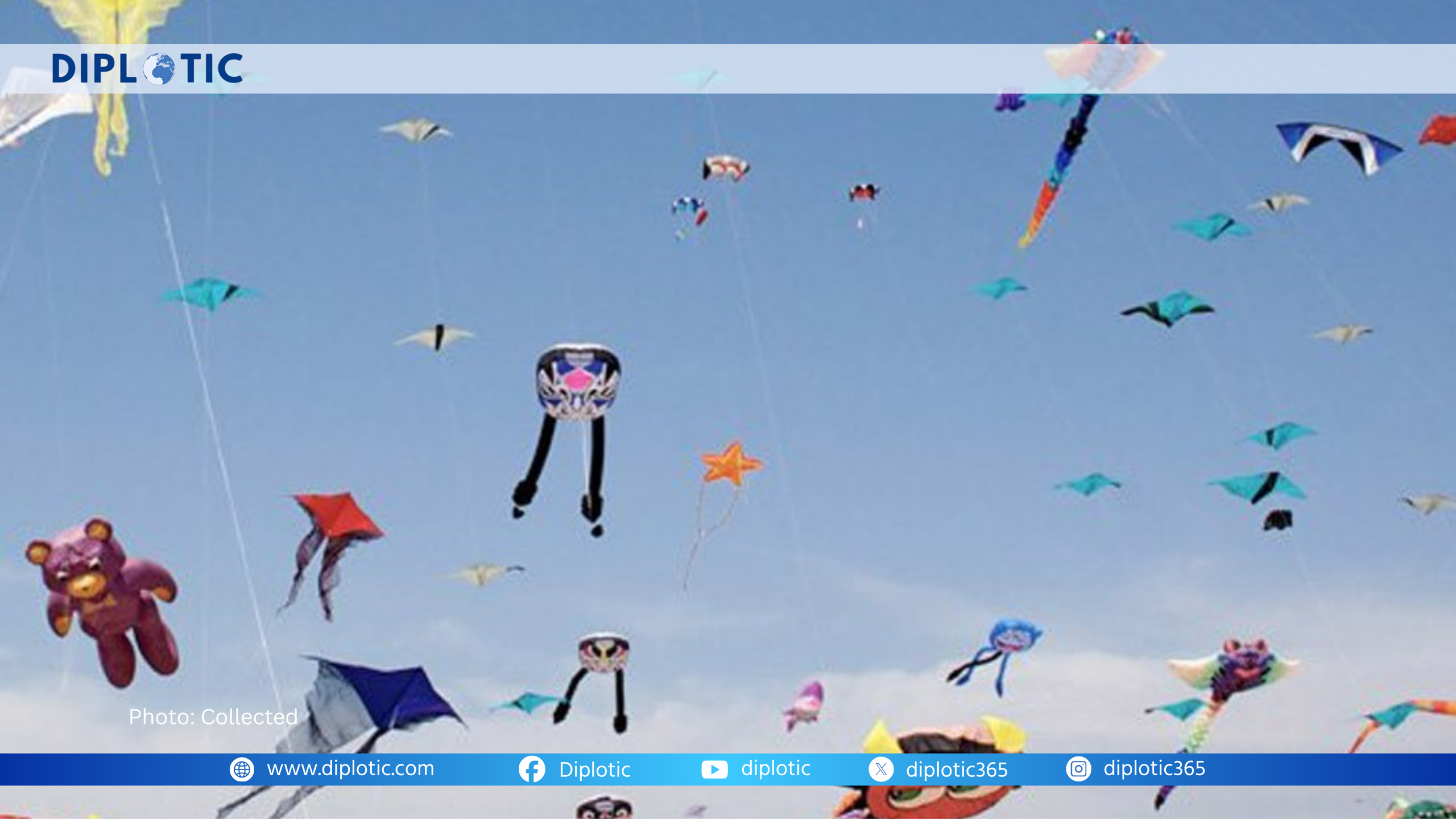
Every year on the last day of the Bengali month of Poush, the rooftops of Old Dhaka fill with colorful kites and the sounds of laughter and friendly rivalry. This festival, known as Sakrain, has been celebrated for centuries. It brings together families, neighbors, and people from different faiths in a shared moment of joy. Against the old city’s skyline, kites soar high, their strings crossing in the sky as participants try to cut each other’s lines. The tradition reflects deep social ties, cultural identity, and a spirit that crosses religious boundaries. It has survived Mughal times, Nawabi patronage, colonial periods, and modern urban changes. Today, on January 22, 2026, Sakrain continues to connect generations in historic neighborhoods. Yet it faces questions from some groups who see parts of the celebration as outdated or inappropriate. This raises curiosity about how a centuries-old custom adapts while keeping its core meaning alive in a changing city.
What Are the Historical Roots of Sakrain in Dhaka?
The origins of kite flying in Old Dhaka trace back to the Mughal era and possibly earlier. Mughal officials and the Nawabs of Dhaka helped make it popular as part of seasonal festivities. Historical accounts link it to harvest celebrations and the transition between seasons. Hakim Habibur Rahman noted that kite flying marked the end of agricultural and administrative duties. In Mughal times, the final day of the tax-collection cycle often included kite events as a form of release and community gathering.
Oral histories add personal details. After 1757, Mir Jafar sent his son Miron to Dhaka for administrative work. Miron enjoyed kite flying and is said to have introduced the custom of flying kites on the last day of Poush in certain areas. Young men and boys took part in aerial contests, turning them into social rituals. Over time, these events blended civic duties with cultural practices, creating a unique urban tradition. Unlike other South Asian kite festivals, Sakrain grew closely tied to Dhaka’s neighborhood life.
In the nineteenth and early twentieth centuries, the Nawabs became key patrons. Large competitions took place at places like Racecourse, Paltan Maidan, and Gendaria Maidan. Teams flew decorated kites with silk threads and metallic fringes. The main skill was harif, or cutting an opponent’s string. Winners received cash prizes, and midday feasts with roast chicken and polao followed. These events drew crowds and strengthened community bonds. The festival’s history shows how it evolved from simple seasonal fun into an organized public celebration that reflected shared identity.
How Does Sakrain Connect Family Customs and Public Celebration?
Sakrain blends private family practices with open neighborhood events. In winter holidays, when a son-in-law visited, families gave him kites, a natai reel for flying, and homemade sweets like pitha and puli. These gifts became part of broader customs. On the morning of Sakrain, whole households climbed to rooftops with guests to fly kites. Playful rivalry filled the air as strings crossed and kites battled. While house walls kept families separate, rooftops linked them in shared activity.
This setup turned private customs into collective joy. Entire neighborhoods joined in, creating bonds through the sky. The festival coincided with Poush Sankranti, a day with agrarian and spiritual meaning. Hindu communities observed rituals like prayers and sacred fires to mark Lord Vishnu’s victory over a demon, symbolizing light over darkness. Kite flying emerged as a secular part, open to all. Hindus and Muslims flew kites together, sharing sweets and festivity. This trans-religious spirit made Sakrain special in Old Dhaka, where diverse groups lived closely.
The combination of family gifts, rooftop gatherings, and public contests gave the festival its distinctive character. It showed how everyday life and larger traditions intertwined, building a sense of belonging.
What Changes Has Sakrain Faced in Modern Times?
Urban growth and new social habits have altered Sakrain over recent decades. Traditional rooftop competitions have declined in some areas due to taller buildings and busier lives. Yet the festival continues in adapted forms. Public gatherings now often include live music, sound systems, and crowds from across Dhaka. Kite shops still prepare for the day, with buyers choosing colors and designs.
Some groups have raised concerns. In recent years, posters and leaflets from organizations like the Adarsha Samaj Binirman Committee urged people to avoid Sakrain, calling it non-Islamic or inappropriate. These views often come from outside long-time residents. Most Old Dhaka families, across faiths, keep celebrating with the same festive spirit. They see it as inherited heritage, not tied to exclusion.
The persistence shows resilience. Despite modernization, the core of kite flying and community joy remains. Sakrain adapts while holding onto its roots, proving that traditions can change form without losing meaning.
What Does Sakrain Reveal About Old Dhaka’s Shared Identity?
Sakrain stands as more than a kite festival. It serves as a living record of Dhaka’s history and social bonds. From Mughal influences and Nawabi support to family gifts and rooftop rivalries, it captures how people shaped urban life together. The event bridges religious divides, showing how Hindus and Muslims joined in celebration. It reflects creativity in blending rituals and joy in everyday spaces.
In a city that grows fast, Sakrain reminds residents of shared roots. It connects past generations to the present through simple acts like flying a kite. As Old Dhaka faces change, the festival’s continuation highlights enduring ties and cultural strength. It offers a model of inclusive festivity that crosses boundaries.
Sakrain links centuries of history to life in today’s Old Dhaka. Its survival through time shows the power of shared customs to build community and identity. As kites rise again this year, they carry forward a tradition that continues to unite people above the rooftops of the old city.




