
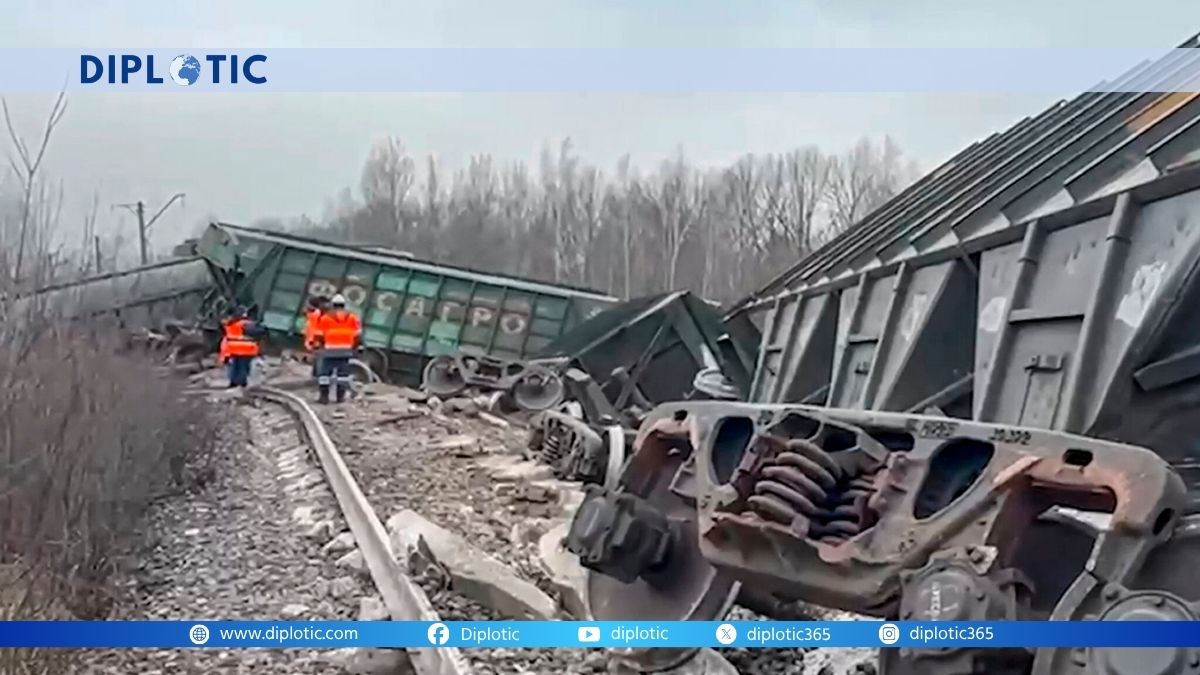
Russia’s intensified strategic rail attacks on Ukraine mark a distinct escalation in the ongoing conflict, signaling a calculated shift toward infrastructural warfare aimed at crippling Ukraine’s economic lifelines and military logistics. Since mid-2025, Moscow has deployed precision drone strikes and sabotage tactics targeting Ukraine’s critical railway networks vital arteries for commercial freight, civilian travel, and crucially, the transport of military supplies. This new phase of conflict underscores a multi-dimensional strategy to undermine Ukrainian resilience and destabilize frontline regions by disrupting mobility and supply chains.
Precision Drone Warfare Targets Rail Infrastructure
Key to Russia’s evolving tactics are long-range, highly accurate Shahed drones equipped with advanced video-feed technology, enabling pinpoint strikes on specific rail assets such as locomotives, stations, and electrified rail hubs. Recent attacks on the Shostka train station in northeastern Ukraine exemplify this trend, where consecutive drone strikes not only caused civilian casualties but also rendered train cars inoperable and incited panic among border communities. These assaults reflect Russia’s shift from broad bombardments to targeted “logistical terrorism,” aiming to paralyze Ukraine’s rail-dependent transportation network systematically.
Such precision strikes have disrupted rail hubs in critical oblasts near the Russian border, including Donetsk, Sumy, and Chernihiv, simultaneously impacting southern regions like Mykolaiv and Odesa. The strategy seeks to sever Ukraine’s ability to move troops and supplies efficiently, extending the conflict’s economic impact by forcing reliance on more expensive diesel locomotives due to damaged electrified lines. The Ukrainian Railways CEO has noted a “damage-repair” cycle wherein key bridges and rail facilities are repeatedly struck and urgently repaired, highlighting the persistent vulnerabilities under this sustained aerial assault.
Tactical and Psychological Impacts
Beyond physical destruction, these rail attacks carry significant psychological weight. Disrupting train schedules and infrastructure not only hampers military logistics but also instills fear and uncertainty among civilians reliant on rail for daily transit. The cumulative effect contributes to instability in border regions, complicating humanitarian aid deliveries and evacuation efforts. Furthermore, sabotage actions reportedly coordinated by Russia-aligned agents within Ukraine add a covert dimension to the war, multiplying threats against this critical infrastructure.
The deliberate targeting of civilian-used rail networks raises international concerns about violations of the laws of armed conflict, potentially amounting to war crimes. Ukraine and its allies have condemned these tactics as forms of “infrastructure terrorism,” while Russia officially denies targeting civilians, framing the actions as military necessity to degrade Ukraine’s war capabilities.
Broader Infrastructure Warfare Context
This rail campaign forms part of a wider Russian strategy to cripple Ukraine’s energy and transport infrastructure ahead of winter 2025. Massive drone and missile barrages on power grids and gas facilities have compounded hardships, aiming to weaken civilian morale and force political concessions. The rail strikes complement these efforts by disrupting logistical flows essential to both military and economic resilience. Ukrainian president Volodymyr Zelenskiy has called these attacks “cynical and calculated,” urging sustained international sanctions and support for Ukraine’s defensive capacity, including advanced air defense systems and long-range strike capabilities.
Diplomatic and Strategic Implications
Moscow’s rail attack campaign reflects a hybrid warfare approach: combining kinetic strikes with psychological and infrastructural disruption to outpace Ukrainian repair efforts and test Western resolve. For Kyiv and its international partners, countering this strategy presents a dual challenge of enhancing rail infrastructure resilience while scaling up diplomatic pressure on Russia to halt deliberate civilian-targeting tactics.
Western governments, including the United States under President Donald Trump, have prioritized supplying Ukraine with advanced defense technologies and coordinating secondary sanctions against Russian logistics networks. Additionally, intelligence-sharing and strategic communications aim to highlight these attacks in international forums, framing them within broader human rights and war crime allegations designed to isolate Russia diplomatically.
Prospects and Challenges Ahead
Looking ahead, Ukraine faces immense logistical challenges in safeguarding its rail systems against increasingly sophisticated drone technology and covert sabotage. The reliance on rail as a primary transport mode, after severe damage to roads and restrictions on air travel, makes rail infrastructure a persistent Achilles’ heel. Continuous repair efforts are costly and time-consuming, while operational disruptions strain military supply lines and civilian mobility.
Diplomatic resolutions remain elusive as Russia’s hybrid war strategy shows no sign of abating. The rail strikes illustrate an intensification that blends technological advancements with targeted psychological warfare, complicating peace prospects. Sustained international support for Ukraine, combined with innovative defensive measures to shield critical infrastructure, will be essential to counter these evolving threats and stabilize the region.