President Donald Trump’s decisive sanctions targeting Russia’s two largest oil giants, Rosneft and Lukoil, mark a pivotal escalation in the U.S. campaign to choke Moscow’s war financing in Ukraine. With a looming November 21 deadline, these sanctions are already provoking seismic shifts in Asia, home to nearly half the world’s population and crucial energy consumers. India and China have long walked a delicate line, resisting intense American pressure to cut Russian oil imports, but signs now show cautious compliance amid growing geopolitical and financial risks.
Asia’s Balancing Act: Energy Security vs. Geopolitical Alliance
India and China together import between 3.5 and 4.5 million barrels of Russian oil daily, with a significant share sourced from Rosneft and Lukoil. This volume represents a lifeline for the Kremlin’s embattled economy and a critical test of the sanctions’ real impact.
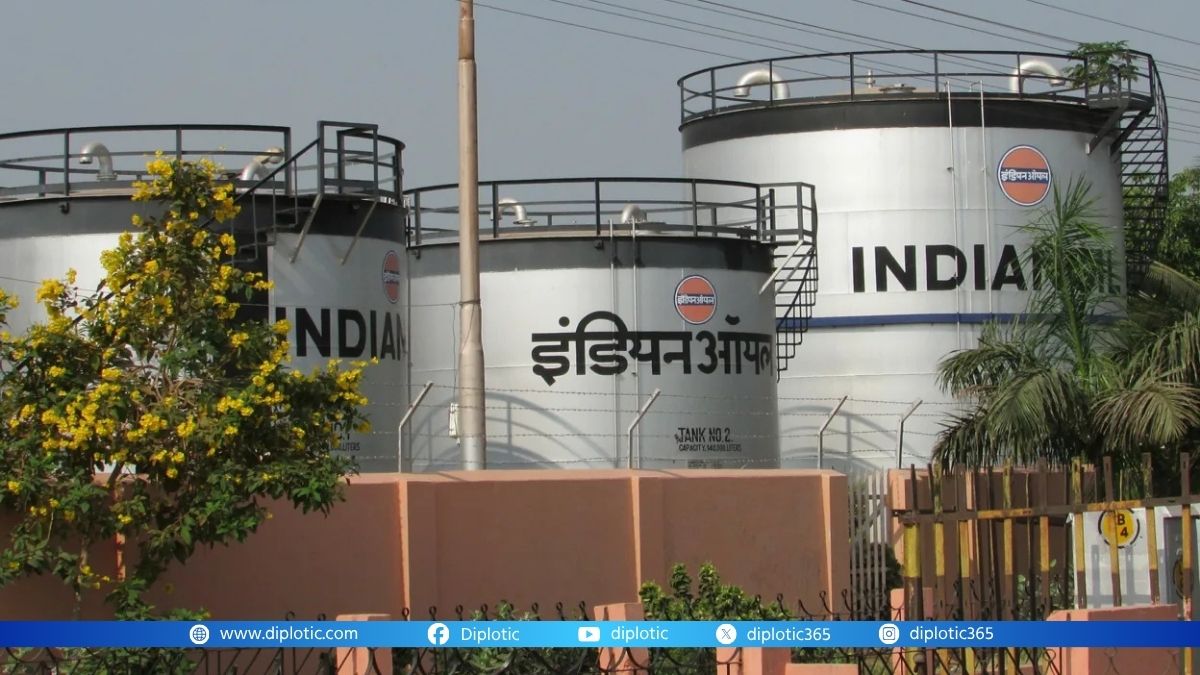
India’s Dilemma: New Delhi faces a complex challenge: balancing its long-standing energy partnership with Moscow against strengthening strategic ties with Washington. India’s private giant Reliance and state-owned Indian Oil Corporation have signaled intent to comply fully with sanctions, yet Indian Foreign Minister S. Jaishankar subtly criticized the sanctions framework, highlighting selective application of principles.
China’s Calculus: Beijing’s approach is nuanced, driven by a strategic “no limits” partnership with Russia. Reports indicate some state-owned Chinese oil firms have curtailed Russian crude purchases, but the opaque nature of China’s market means many smaller refineries remain active. China’s need to protect large domestic firms and maintain geopolitical stability underpins its partial compliance, stopping short of full disengagement.
The “Shadow Fleet” and Complex Workarounds Undermining Sanctions
A sophisticated network of middlemen, broker traders, and a massive “shadow fleet” of nearly 1,000 tankers stealthily continues to ferry Russian oil, complicating enforcement. These vessels obscure ownership and reroute shipments to bypass sanctions and maximize Kremlin revenue.
According to S&P Global, the shadow fleet has surged by 45% since 2024, with Western governments blacklisting hundreds of ships in attempts to disrupt the scheme.
Analysts highlight how prior U.S. sanctions on Gazprom and Surgutneftegas were mitigated as Indian buyers switched to “third-party” intermediaries, creating layered transactions that cloak the oil’s origin.
Kpler intelligence suggests that many sanctioned barrels will increasingly enter opaque Chinese markets or be “laundered” via complex trading tricks, diluting sanctions’ sting.
Will They Alter the Energy Chessboard?
President Trump’s late move to sanction Rosneft and Lukoil contrasts with earlier reluctance due to global oil market risks. Treasury Secretary Scott Bessent framed the decision as indispensable pressure against Putin’s stalled negotiations.
The sanctions are described as substantial and designed to compel Moscow toward an immediate ceasefire in Ukraine, signaling Trump’s strategic pivot from hesitation to assertive economic warfare.
However, experts like Energy Aspects’ Richard Jones warn the true sanction impact hinges on Washington’s enforcement rigor, especially regarding secondary sanctions on third-country traders and oil importers.
India’s vulnerability emerges starkly: retreating from discounted Russian crude means shifting to pricier imports from the Middle East, West Africa, or the U.S., straining its economic calculus.
Strategic Partnership vs. U.S. Global Influence
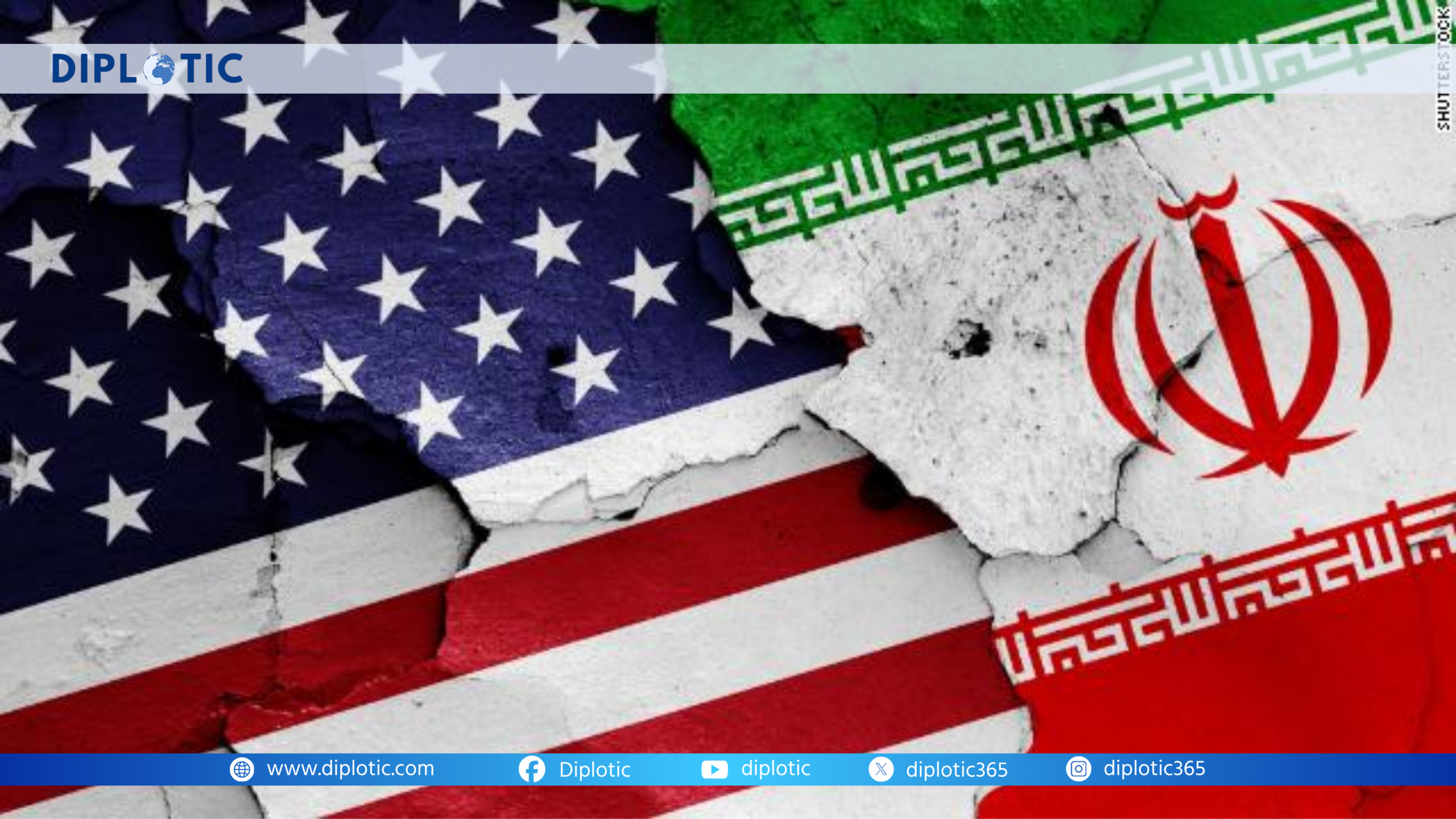
The unfolding situation underscores a broader geopolitical contest:
China’s reluctance to fully comply reveals its priority to defend the Sino-Russian axis as a counterbalance to U.S. hegemony, even amid American financial and diplomatic pressure.
India, caught in the middle, navigates a tightrope between historic Russian ties, economic pragmatism, and closer U.S. partnership ambitions post-tariff tensions.
The possible “private conversations” between Moscow and Beijing on countermeasures indicate an evolving front in energy geopolitics that could challenge Western-led sanction regimes.
Sanctions Shape New Fronts in Global Energy and Diplomacy
Trump’s sanctions mark a decisive attempt to financially strangle Russia’s war efforts but face formidable challenges in Asia’s energy landscape, where commercial interests, opaque markets, and geopolitical calculations converge. The effectiveness of this strategy will depend on Washington’s enforcement stance, Asia’s compliance dynamics, and the evolving global chessboard where energy security and diplomacy are tightly intertwined.