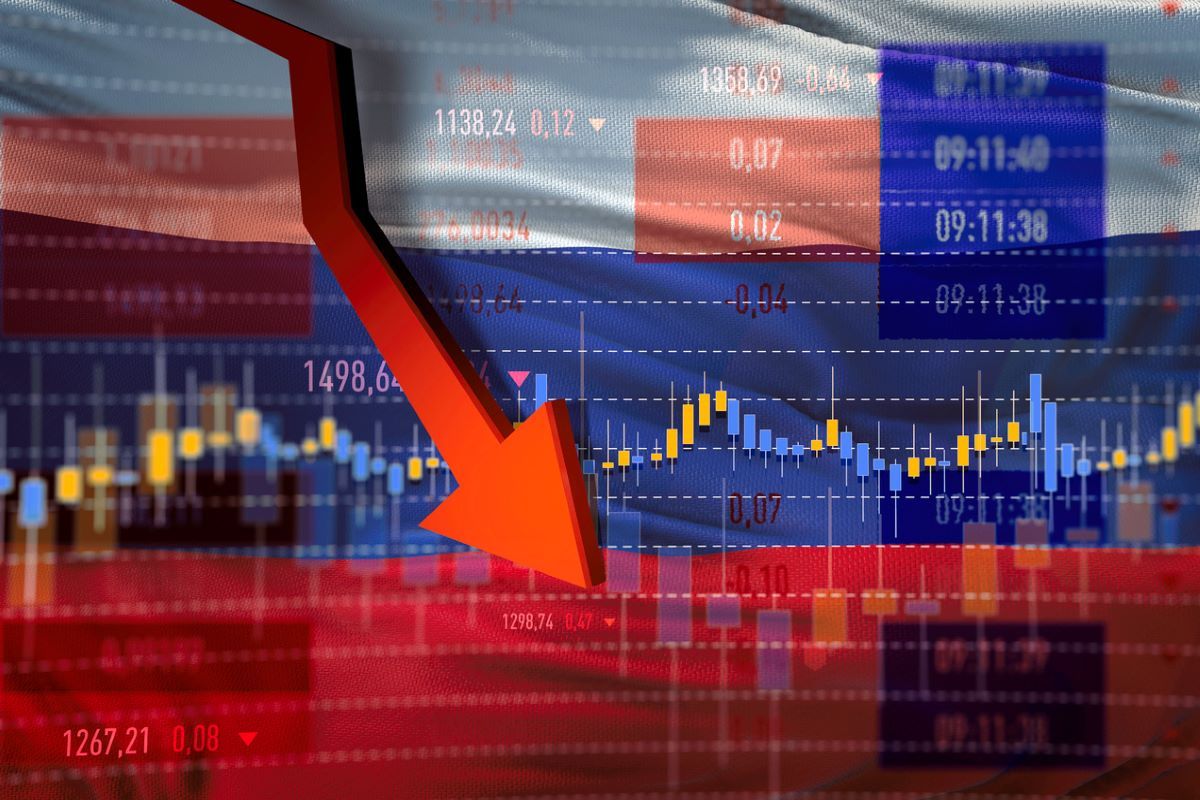
Russia’s economic engine is sputtering in 2025 as GDP growth plunges to a dangerous 1.4% a sharp collapse from last year’s momentum. Sanctions, inflation, plummeting oil revenues, and war-related strain are dragging the economy toward potential stagnation or worse. This comprehensive deep dive explores what’s fueling the downturn, expert predictions, and whether Russia can reverse its economic freefall.
Russia’s Alarming Economic Slowdown in 2025
Russia’s once-resilient economy is now buckling under pressure, with new data from Rosstat confirming a dramatic GDP growth slowdown in the first quarter of 2025. The economy expanded by just 1.4%, marking a steep drop from 4.5% in Q4 2024 and 5.4% during the same quarter last year.
“This is a clear and undeniable signal that the Russian economy is entering a new phase of vulnerability,” says Egor Susin of Gazprombank.
Analysts and economists are increasingly worried that a recession may be looming, especially after a 0.4% contraction was recorded compared to the previous quarter the first quarterly decline since 2022.
Key Reasons Behind Russia’s Economic Freefall
Understanding the underlying causes of this sudden economic deceleration requires examining multiple converging factors that are crippling growth and amplifying financial risk across the country.
Western Sanctions Continue to Cripple Core Sectors
Despite Russia’s attempts to reorient its economy toward Asia and alternative partners, crippling Western sanctions continue to:
- Block access to international capital markets
- Restrict imports of advanced technology and machinery
- Sever trade with key European and North American partners
These restrictions have isolated Russian industries, particularly in energy, defense, aviation, and high-tech manufacturing. Companies are struggling to maintain operations without access to replacement parts or modern systems.
Sky-High Inflation and Interest Rates Stifle Growth
Inflation in Russia remains stubbornly high, with annual inflation hovering near 8%, forcing the Central Bank of Russia to adopt tight monetary policies. Rising interest rates have:
- Slashed consumer credit availability
- Reduced disposable income
- Lowered retail demand and business investment
These macroeconomic conditions are choking off internal growth, even as the country attempts to stimulate sectors like agriculture, mining, and domestic manufacturing.
Oil and Gas Revenues Plummet as Global Prices Fall
Energy exports, traditionally the lifeblood of Russia’s economy, are under extreme pressure. According to Rosstat and Raiffeisenbank:
- Oil and gas revenues fell by 10% from January to April
- Global oil prices have softened due to increased OPEC+ supply and sluggish demand from China
- Western buyers have largely phased out Russian energy imports
With Europe now fully weaned off Russian gas and new pipelines to Asia still under development, Russia is unable to fully compensate for the loss.
Structural Weakness and Supply Chain Breakdown
Due to the war in Ukraine and global isolation, Russia’s supply chains are fragmented. Many industries are now facing:
- Raw material shortages
- Increased logistics costs
- Difficulty sourcing critical foreign components
These bottlenecks have crushed productivity and disrupted major industrial sectors from automotive to heavy machinery.
War-Driven Economy: Unsustainable Military Spending
While war-related military expenditures have helped boost certain sectors, this growth is narrow and unsustainable. According to a report by the Stockholm Institute of Transition Economics (SITE), the current trajectory of war spending:
- Diverts capital from civilian needs
- Contributes to inflation
- Provides short-term gains but long-term fiscal instability
Analyst Forecasts: Dark Clouds Ahead for Russia’s Economy
Bloomberg and Ministry Estimates Miss the Mark
Both the Russian Economic Development Ministry and Bloomberg analysts had projected 1.7–1.8% growth for Q1. Rosstat’s reported 1.4% growth has undercut even the most conservative expectations.
Recession Warnings Are Growing Louder
A quarter-on-quarter contraction of 0.4% may not sound catastrophic, but analysts warn that it’s a leading indicator of a possible recession, especially if Q2 results mirror or worsen Q1 data.
What’s Next for the Russian Economy in 2025?
Scenario 1: Peace Deal = Economic Adjustment
Should peace talks with Ukraine succeed, military spending may decline, forcing a painful rebalancing of government expenditures. The silver lining? A potential reopening of some international markets and investment channels.
Scenario 2: Sanctions Deepen If War Drags On
If negotiations fail, more sanctions are all but certain, possibly extending into banking, shipping, and critical minerals. These actions could:
- Deepen the trade deficit
- Weaken the ruble further
- Spark capital flight and investor panic
How Is Russia Reacting?
Despite the worsening data, the Kremlin has projected optimism, citing “resilience” and “adaptation” of the domestic economy. However:
- Consumer confidence is down
- Private sector investment is drying up
- The black market and parallel imports are booming, signaling systemic dysfunction
Local businesses and households are beginning to feel the squeeze as wages stagnate and the cost-of-living increases.
Global Implications of Russia’s Economic Slide
Russia remains a key player in global energy and commodity markets, and its slowdown could affect:
- Global oil prices
- Wheat and fertilizer markets
- Currency exchange dynamics, particularly in Eastern Europe and Central Asia
The ripple effects could be substantial if the current downturn morphs into a full-scale recession.
Is Russia Entering a New Economic Era?
The latest figures from Rosstat are more than just numbers they’re a harbinger of deeper trouble. As the effects of prolonged war, economic isolation, and structural inefficiencies mount, Russia is at a crossroads.
Whether the country can stabilize, reform, and recover, or instead slip into economic stagnation or deeper crisis, will depend on:
- Diplomatic outcomes
- Internal policy shifts
- The resilience of its remaining trade partners