Introduction
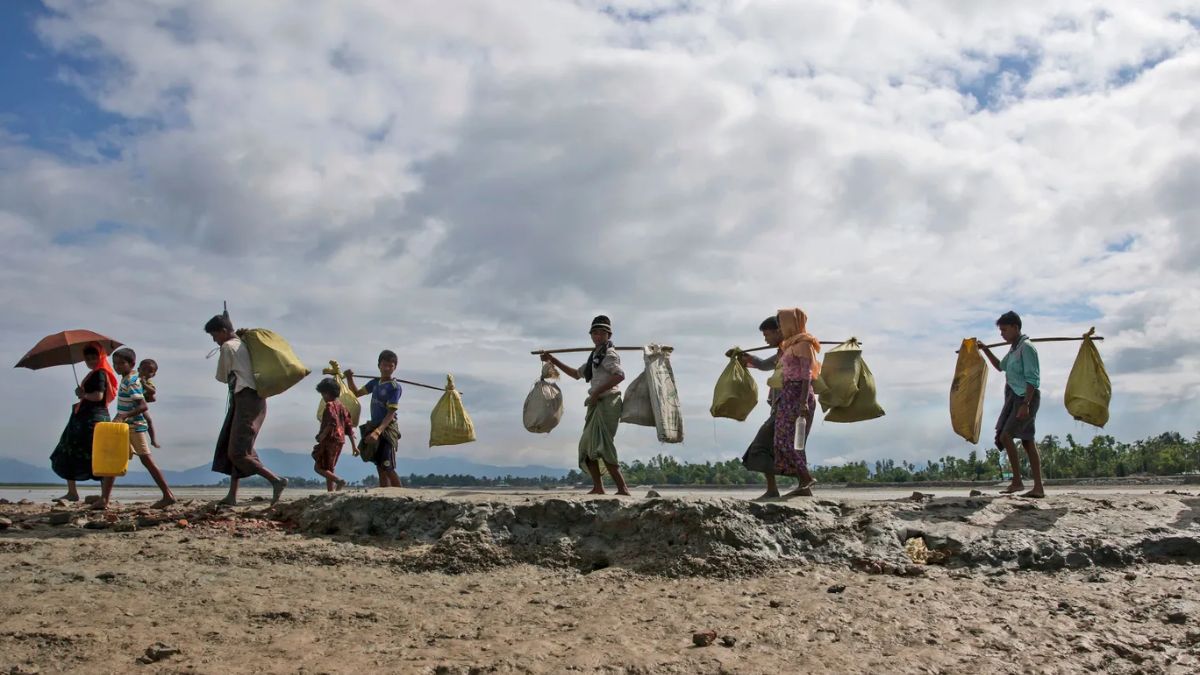
The Rohingya refugees in Bangladesh are again facing a serious food crisis. The World Food Programme (WFP) has warned that if more funds are not provided, almost 1.3 million Rohingya people could lose half of their food support. After November, the risk of hunger will grow even worse. The refugees are living in camps in Cox’s Bazar, the largest refugee settlement in the world. Most of them depend fully on international food aid. Without that, survival will be very difficult.
Why the Food Crisis is Happening
The WFP said it needs $81 million to give proper food support until the end of 2025. But so far, donations from rich countries have dropped sharply. Globally, aid has gone down by almost 40%, which means less money is available for Rohingya refugees. From April 2025, WFP may be forced to cut monthly food vouchers from $12.50 per person to only $6. That money is too little to buy healthy food. According to a survey by humanitarian agencies, families are already struggling to buy rice, lentils, and oil. Meat, milk, and vegetables are now a dream for most families.
Impact on Families and Children
If food support is cut, children will suffer the most. In earlier years, when food rations were reduced, child malnutrition in the camps went above the 15% emergency level. UNICEF has already reported that the number of children needing malnutrition treatment has gone up by 27% in 2025 compared to last year. Mothers say they are forced to feed their children less food or cheaper, less nutritious food. Many families eat only two small meals a day. In a survey among Rohingya families in March 2025, 7 out of 10 people said they had to borrow food or money to survive.
Social Risks and Growing Tensions
Hunger is not only about empty stomachs. It can also increase other dangers. Aid workers warn that if food is cut, there will be more child marriage, trafficking, and forced labor. Women and children are especially at risk. Police in Cox’s Bazar also fear a rise in crime and violence inside the camps. When people have no food, they may be pushed into theft, illegal work, or dangerous boat journeys across the sea. According to surveys, over 60% of refugees said they might take risky steps if food support is reduced further.
Global Attention and UN Appeal
During his visit to Bangladesh in March 2025, UN Secretary-General António Guterres called the possible aid cuts “a crime.” He asked the international community to stand beside the Rohingya, reminding the world that they did not choose to be refugees. The UN Refugee Agency (UNHCR), International Organization for Migration (IOM), and WFP have launched a global appeal for $934 million to help 1.5 million people, both Rohingya and local Bangladeshis living near the camps. But without quick action, WFP says the November deadline will mark a turning point: either the world steps up, or hunger will spread in the camps.
What the Future Holds
If donors do not act now, after November the situation may go out of control. Surveys show that 8 out of 10 families are already cutting meals. Another large portion said they might try to migrate illegally if food is not secured. The Rohingya cannot work legally in Bangladesh, so they depend entirely on aid. Their future depends on how fast and how strongly the world responds. The choice is simple: either provide food now, or watch hunger and misery grow in the camps.
Conclusion
The Rohingya crisis is a reminder that humanitarian aid is not charity but survival. Without urgent funding, more than a million people may go hungry after November. The world must act quickly to ensure that these vulnerable people who have already lost their homes and country do not lose their last source of hope: food.