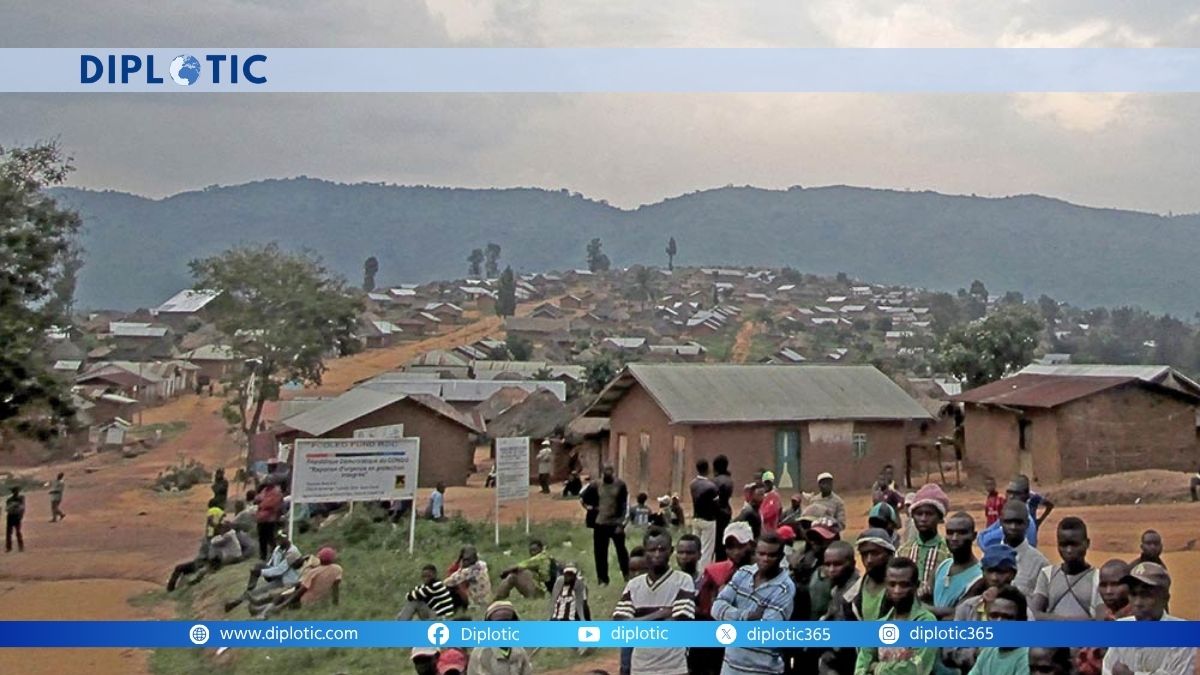
The tumultuous Great Lakes region of Africa is witnessing renewed diplomatic momentum in 2025 aimed at securing a fragile ceasefire and paving the way for lasting peace. After decades marked by brutal conflicts, ethnic tensions, and external interference, recent peace initiatives led by regional and global actors offer cautious hope. However, translating agreements on paper into tangible peace on the ground remains fraught with significant challenges ranging from entrenched spoilers and weak institutions to complex, interlinked crises of security and humanitarian suffering.
The Significance of Renewed Peace Efforts
The Great Lakes region, encompassing the Democratic Republic of Congo (DRC), Rwanda, Uganda, Burundi, and surrounding states, remains one of Africa’s most volatile zones. It has been plagued by decades of conflict fueled by resource exploitation, ethnic rivalry, and political instability. In 2025, critical diplomatic breakthroughs, most notably the June peace agreement between DRC and Rwanda brokered by the United States, mark a watershed moment. This deal, combined with ongoing talks facilitated by Qatar between the DRC government and the armed group M23, aims to end hostilities and dismantle state support for armed factions.
The African Union (AU) and United Nations (UN) have amplified engagement, with the AU welcoming the signing of a ceasefire verification mechanism and the UN Security Council focusing on urgent humanitarian access and protection of civilians. Such actions highlight an unprecedented level of international coordination and political will to end conflict dynamics that have displaced millions and caused widespread suffering.
Core Challenges in Ceasefire Implementation
Despite diplomatic strides, multiple obstacles impede ceasefire enforcement and lasting peace:
Spoilers and Armed Groups: Numerous non-state armed groups, often state-supported or with cross-border ties, continue to undermine peace. M23’s advances and resistance to negotiations exemplify the difficulties in neutralizing spoilers who profit politically and economically from conflict cycles.
Institutional Weakness: Fragile governance structures across the region struggle with corruption, limited authority, and poor coordination, impeding the effective implementation of peace agreements, security sector reforms, and humanitarian aid distribution.
Ethnic and Historical Grievances: Deep-rooted ethnic mistrust and unresolved historical injustices fuel social tensions and violence, complicating reconciliation efforts. Previous agreements, such as the Arusha Accord, failed largely due to lack of political inclusiveness and unresolved grievances.
Humanitarian Crisis: More than two-thirds of the population, over 30 million people, require assistance, with millions facing acute food insecurity. Hostilities hinder access for aid organizations, exacerbating civilian suffering and undermining social stability.
Regional and International Mechanisms Supporting Peace
The complex geopolitics of the Great Lakes involve multiple layers of regional and international engagement:
Joint Oversight Committee: Established under the US-brokered DRC-Rwanda peace deal, this committee includes representatives from the involved states, the US, Qatar, Togo as AU facilitator, and the AU Commission. It holds the responsibility for monitoring ceasefire compliance and implementing neutrality plans related to armed groups.
Qatar-Facilitated Peace Talks: Parallel talks between the DRC and M23, brokered by Qatar, represent a vital diplomatic track toward a final settlement, although deadlines have been missed, and progress remains incremental.
African Union and UN Security Council: The AU has suspended member states violating peace principles and supports ceasefire verification and humanitarian access. The UN continues to convene Security Council consultations underscoring the urgent need for peace and stability.
Prospects for Durable Peace and Security
The renewed peace efforts, while promising, rest on several critical factors:
Inclusive Political Dialogue: Success requires broad-based national and regional dialogue involving civil society, local actors, and marginalized groups to ensure ownership and legitimacy of peace processes.
Robust Security Sector Reform: Disarmament, demobilization, and reintegration (DDR) of combatants alongside institutional reforms must be prioritized to prevent resurgence of violence.
Addressing Root Causes: Tackling structural drivers such as resource competition, land disputes, and ethnic discrimination is essential for durable reconciliation.
Sustained International Support: Ongoing commitment from regional bodies, donor nations, and multilateral organizations is needed to provide technical, financial, and political support, ensuring ceasefire sustainability and post-conflict recovery.
Conclusion
The Great Lakes region stands at a crossroads, with renewed peace efforts signaling potential respite from cycles of conflict and humanitarian crisis. The challenges remain formidable, yet a combination of international diplomacy, regional cooperation, and grassroots involvement offers a realistic pathway toward ceasefire implementation and lasting stability. As the region navigates this complex journey, the effectiveness of multi-stakeholder mechanisms and the political will to overcome spoilers will ultimately determine if peace is achievable in this richly endowed yet deeply troubled part of Africa.