

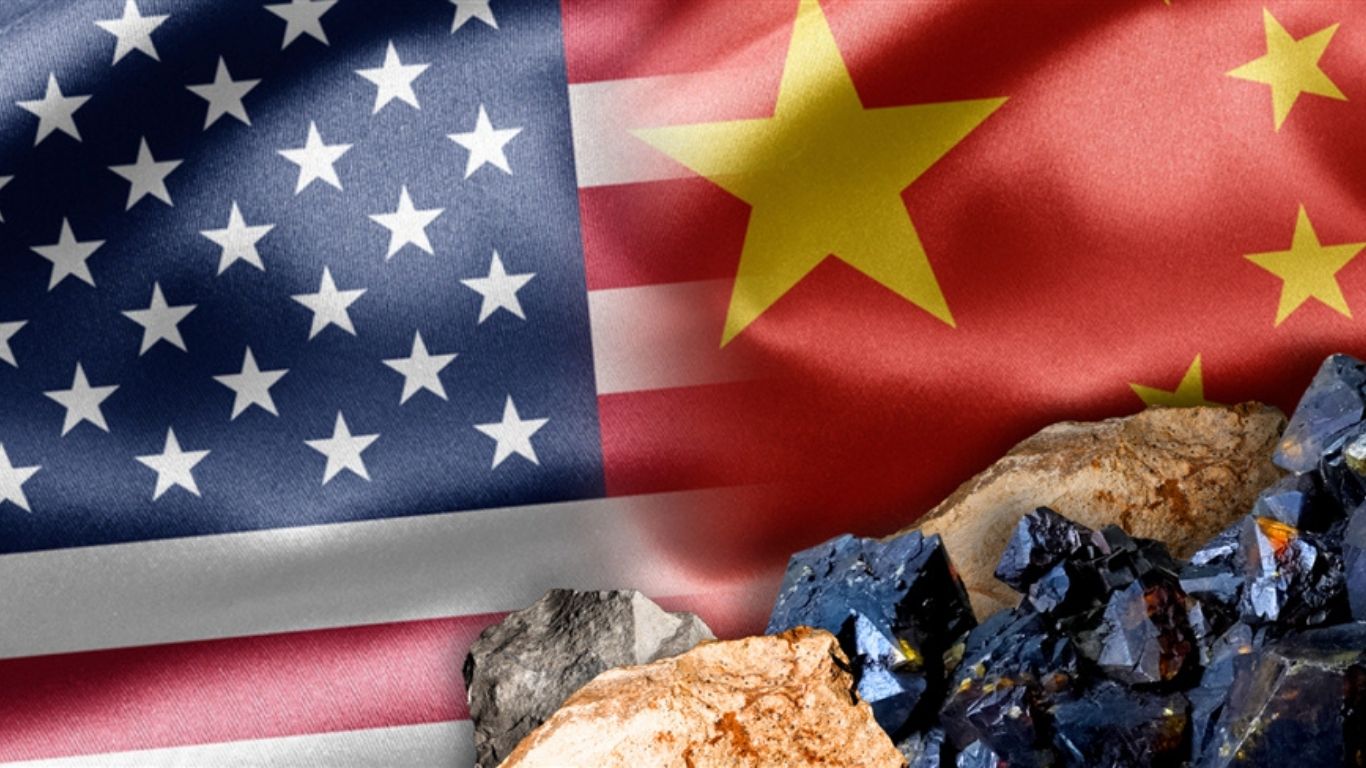
On October 10, 2025, China’s Ministry of Commerce announced expanded export controls on rare earth elements and associated refining technologies, escalating a critical lever of geopolitical and economic influence. These new regulations extend Beijing’s grip over 12 of the 17 globally recognized rare earth elements, up from 7 elements restricted earlier this year, along with imposing fresh licensing requirements on foreign firms using Chinese rare earth tech. This pivotal policy shift comes in advance of a high-profile summit between President Xi Jinping and U.S. President Donald Trump, setting the stage for intensified trade negotiations.
Unpacking China’s New Restrictions
The updated export rules, effective from December 1, 2025, mark a comprehensive tightening that targets both raw materials and the technological backbone of rare earth production. Five additional rare earth metals, holmium, erbium, thulium, europium, and ytterbium, have joined the controlled list, supplementing previously restricted minerals like samarium, gadolinium, terbium, dysprosium, lutetium, scandium, and yttrium. Notably, China has broadened control to include advanced equipment crucial for refining these metals and for manufacturing rare earth magnets and semiconductor materials containing at least 0.1% heavy rare earth metals.
China now mandates that exporters, including foreign entities, secure government licenses detailing the specific applications of rare earth materials and technologies they intend to export. This unprecedented step compels global companies manufacturing with Chinese rare earth inputs to navigate Beijing’s strict regulatory oversight, signaling a move to safeguard its technological edge while limiting potential military and strategic uses by rival nations.
Strategic and Economic Impact
China dominates over 90% of the world’s processed rare earth supply and leverages this position to shape global markets and international relations. The new export controls are widely viewed as a strategic maneuver to reinforce China’s negotiating clout in trade talks, particularly with the United States, which relies heavily on these materials for defense, electronics, and emerging technologies like electric vehicles (EVs) and artificial intelligence (AI) components.
For Western industries, especially semiconductor manufacturers in the U.S. and South Korea, these restrictions complicate supply chains. The requirement for “case-by-case” approval for rare earth exports destined for cutting-edge semiconductors such as logic chips with under 14 nanometer nodes and memory chips with 256 or more layers threatens to retard chip production critical for tech innovation and national security. Similarly, defense manufacturers face stiff barriers, with China explicitly denying licenses for entities associated with military or defense applications, intensifying concerns over strategic vulnerabilities.
Global Supply Chain Ramifications
By expanding controls to technologies and foreign producers using Chinese rare earth resources, China signals a new phase in resource governance that transcends mere raw material exports. Companies worldwide must now contend with bureaucratic hurdles and potential export denials, injecting uncertainty and risk into global supply chains. This policy shift encourages diversification away from Chinese rare earth dependencies but also raises costs and delays as alternative sources and refining technologies lag in capacity.
Moreover, China’s prohibition on unauthorized overseas rare earth mining and magnet production highlights its broader ambition to control not just the supply but the full lifecycle and intellectual property surrounding these critical resources, maintaining a dominant position in future technological advancements.
Geopolitical and Trade Negotiation Implications
This aggressive recalibration of export rules underscores the fusion of economic policy with national security priorities amid ongoing U.S.-China rivalry. Rare earths are now at the heart of trade disputes, with China wielding them as a potent bargaining chip in talks aimed at easing tariffs and other economic frictions. Analysts caution that these restrictions foreshadow a prolonged era of “lawfare,” where regulatory frameworks become tools of strategic competition, complicating economic relations.
As the Xi-Trump summit approaches, the expanded export controls send a clear warning: China is prepared to defend and advance its technology-driven growth through resource control, even at the risk of disrupting global industries reliant on rare earth elements. For the global community, this shift demands urgent action to build resilient supply chains, invest in alternative sourcing, and develop domestic capabilities in rare earth processing.
Conclusion
China’s new rare earth export regulations represent a watershed moment in global trade and technology competition. By expanding the scope of controlled elements and extending licensing to equipment and foreign users, Beijing demonstrates a sophisticated strategy to cement dominance in critical minerals and related technologies. This move not only disrupts supply chains but also escalates tensions in U.S.-China trade relations, making rare earth elements a vital flashpoint in 21st-century economic and geopolitical confrontations.
Global industries and policymakers must now navigate this evolving landscape with agility and foresight, recognizing that China’s rare earth policies are no longer just about economics they are a cornerstone of national security and technological supremacy.




