Madagascar has entered a volatile chapter of political upheaval in October 2025, marked by a dramatic coup attempt that underscores both longstanding governance challenges and immediate socioeconomic grievances across the island nation. This crisis, unfolding amid widespread youth-led protests against chronic infrastructure failures and governance deficits, threatens to destabilize Madagascar’s fragile political order and imperil economic recovery efforts. The military takeover led by Colonel Michael Randrianirina, head of the elite CAPSAT unit, represents a critical juncture with far-reaching implications for democratic governance, regional stability, and international engagement in Madagascar and the broader Indian Ocean region.
The Coup Attempt: Background and Unfolding
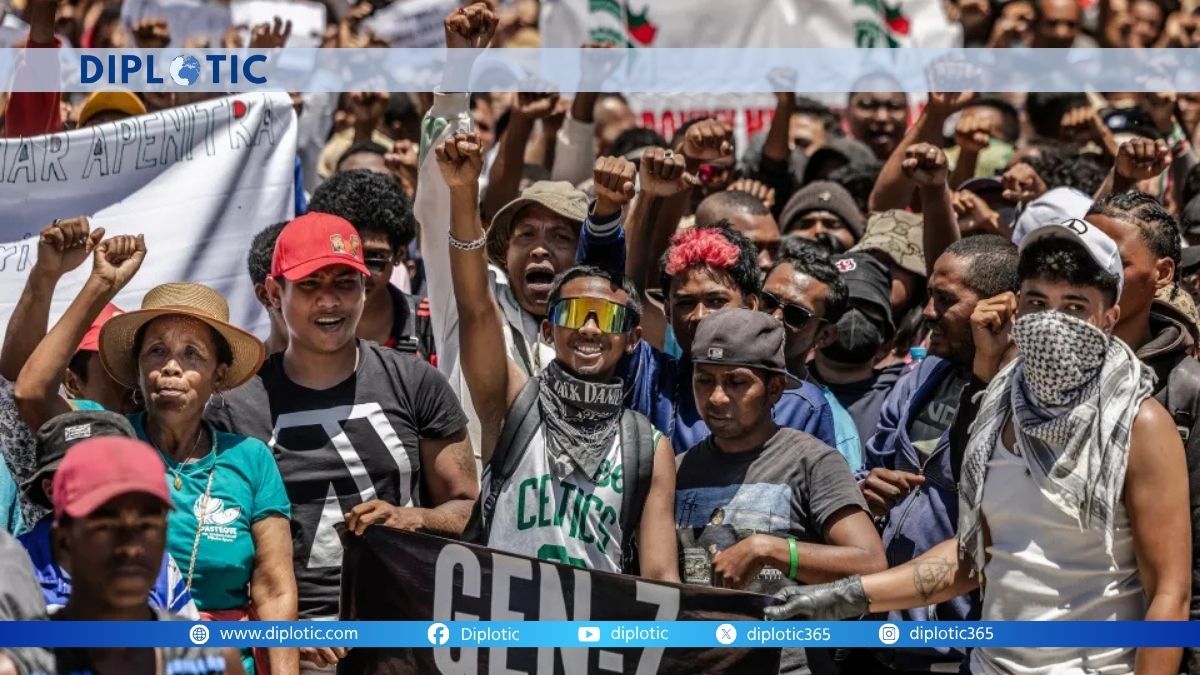
The crisis ignited in late September 2025 as mass protests, initially triggered by severe water and power shortages in the capital Antananarivo and other cities, quickly escalated into broader demands for political accountability and President Andry Rajoelina’s resignation. Youth collective groups, particularly Generation Z, galvanized public dissent amid rising economic hardship and perceived government corruption.
On October 12, Madagascar’s elite CAPSAT unit, once instrumental in bringing Rajoelina to power during the 2009 military-backed coup, notably defied government orders and sided with the protesters. CAPSAT’s actions precipitated the rapid seizure of Antananarivo with minimal resistance. This faction declared control of significant military commands and dissolved political institutions, except the National Assembly, which defied dissolution and voted to impeach Rajoelina on October 14. The president fled the country under disputed circumstances, intensifying political uncertainty.
Leadership Transition and Military Governance
Colonel Michael Randrianirina swiftly assumed leadership, formally sworn in as interim president by the High Constitutional Court shortly after the takeover. He pledged a transition period of 18 to 24 months aimed at restoring order and holding credible elections. Randrianirina’s rise from an obscure military commander to head of state symbolizes both the military’s consolidated political influence and the unresolved tension between civilian authority and armed forces in Madagascar.
His governance marks an abrupt departure from Rajoelina’s administration which had struggled with mounting public dissatisfaction over economic stagnation, social services breakdown, and political exclusion. The military’s claim of stepping in to restore stability, however, has been met with skepticism by proponents of democratic governance and observers warning of a potential regression into authoritarianism.
Socioeconomic and Humanitarian Dimensions
Madagascar’s political upheaval comes at a precarious moment for its economy. The IMF-supported reforms aimed at fiscal stabilization and energy-sector improvements face significant disruption. The International Monetary Fund had forecast GDP growth at 4% for 2025, but the ongoing unrest threatens to derail these projections, exacerbating poverty and social inequalities.
Protests have exposed deep structural fragilities, including widespread unemployment, inadequate access to basic utilities like water and electricity, and dissatisfaction with governance transparency. The United Nations reported over 22 deaths and numerous injuries linked to clashes between demonstrators and security forces during the unrest. These human costs underline the urgent need for governance reforms addressing youth discontent and economic inclusion.
Political Legitimacy and Democratic Crisis
The crisis reveals a worsening legitimacy deficit for Madagascar’s democratic institutions. The parliamentary impeachment of Rajoelina despite his decree dissolving the legislature highlights institutional fractures and contested sovereignty. The military’s refusal to restore civilian rule promptly raises concerns about the erosion of constitutional order.
Analysis suggests the CAPSAT’s return to power echoes patterns from Madagascar’s 2009 coup, raising fears of cyclical military interventions hindering democratic consolidation. The political landscape is further complicated by competing narratives: military leaders assert popular support and democratic intent, while critics label the takeover a coup d’état undermining democratic norms and civilian supremacy.
Regional and International Implications
Madagascar’s instability poses risks for the broader Indian Ocean region’s security, economic connectivity, and governance standards. The country’s strategic location along key maritime routes heightens international interest in the outcome. The African Union has suspended Madagascar’s membership in response to the military takeover, signaling regional disapproval and increasing diplomatic pressure for a return to constitutional order.
International actors, including the United Nations and development partners, call for dialogue, restraint, and respect for human rights amid accelerating unrest. Madagascar’s political situation also complicates international aid delivery and cooperation critical for sustained development and poverty reduction. Continued instability risks reversing hard-won progress and deterring foreign investment.
Path Forward: Challenges and Prospects
The resolution of Madagascar’s current political upheaval requires navigating a complex interplay of military influence, youth-led political activism, governance reforms, and international diplomacy. Key challenges include:
Restoring Civilian Control: Balancing the military’s role with constitutional governance to rebuild democratic legitimacy.
Addressing Root Causes: Implementing inclusive policies to tackle poverty, unemployment, and public service deficits fueling unrest.
Ensuring Peaceful Transition: Organizing transparent, credible elections within the promised transition timeframe.
International Support: Mobilizing coordinated support from regional bodies and global partners to safeguard stability and development.
The urgency of stabilizing Madagascar cannot be overstated. Success hinges on inclusive dialogue that recognizes youth voices, institutional reforms to enhance accountability, and a military committed to constitutional subordination. Failure risks entrenched authoritarianism and regional spillover effects detrimental to the Indian Ocean’s geopolitical balance.