

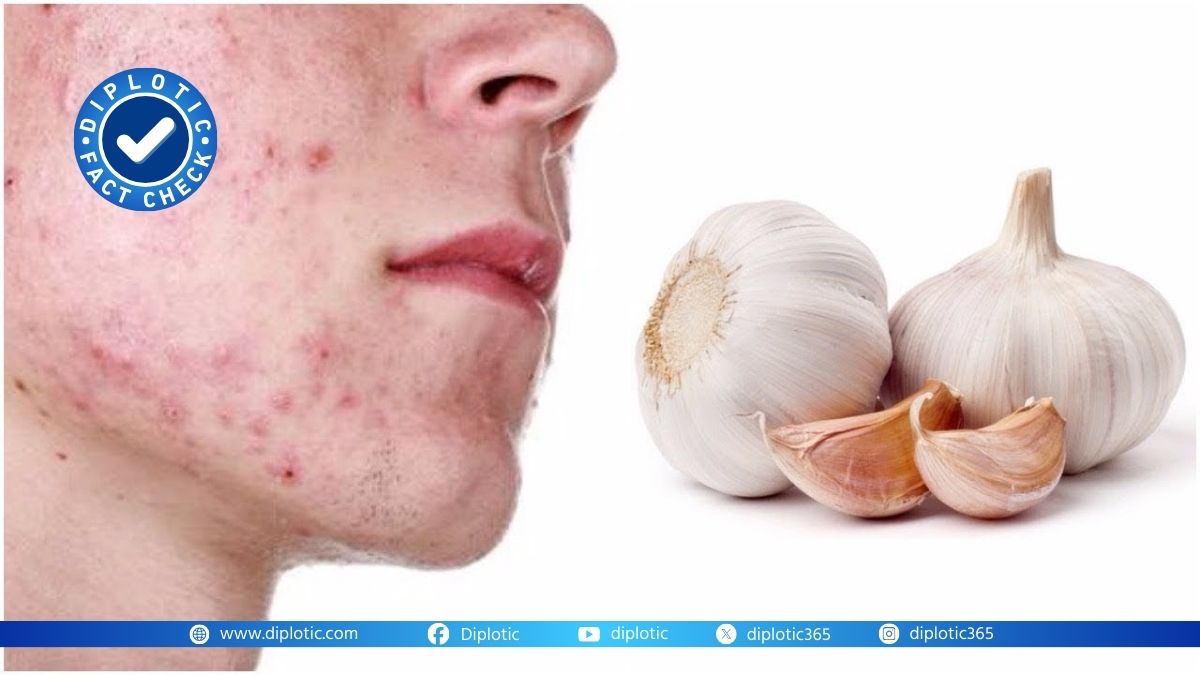
In homes across South Asia and beyond, kitchen shelves hold remedies passed down through generations. Garlic, with its sharp smell and strong taste, often stars in these tips—for colds, digestion, and now skin care. Social media reels in 2025 show people slicing cloves and rubbing them on pimples, promising clear skin overnight. Captions claim: “Natural, cheap, and better than creams.” This trend spreads fast because acne affects millions of teenagers and adults, causing worry about looks, confidence, and scars. Store products can be costly or harsh, so home fixes feel safe and empowering.
Yet skin is delicate—the body’s largest organ, protecting against germs and healing wounds. Wrong treatments risk burns, allergies, or worse acne. Dermatologists warn against untested ideas, but viral advice persists. This article checks five common claims about garlic for pimples, using science from skin experts, medical journals, and health bodies. It adds context from culture and history to explain the appeal, while highlighting risks and better paths.
Claim 1: Garlic’s Natural Compounds Kill Acne Bacteria Instantly on Contact
Videos show juice turning spots red, said to mean “bacteria dying.” Garlic has allicin, a compound with antibacterial effects.
Lab tests confirm allicin fights some bacteria, including Propionibacterium acnes (now Cutibacterium acnes), linked to pimples. Studies in journals like the Journal of Dermatology note this in test tubes. But skin is different—pimples form deep in pores, clogged with oil and dead cells. Garlic juice reaches only the surface, not roots. High doses needed for strong effects irritate more than help.
Historically, garlic aided wound care in ancient Egypt and India for its antimicrobial traits. Yet acne involves hormones, oil glands, and inflammation—not just surface germs. Trade-off: mild benefit possible diluted, but raw application overwhelms.
Verdict: Misleading. Antibacterial yes, but not instant or deep enough for most pimples.
Claim 2: Rubbing Garlic Reduces Pimples Overnight by Drawing Out Impurities
Many swear spots shrink or vanish by morning after rubbing.
No clinical proof supports this. Dermatologists from the American Academy of Dermatology and Indian Association of Dermatologists explain pimples follow cycles—inflammation peaks, then fades naturally over days. Perceived quick fixes often coincide with this. Garlic’s acids may dry spots slightly, mimicking reduction, but often cause redness masking progress.
Culturally, “drawing out” echoes traditional poultices for boils. Philosophically, it offers control—active steps versus waiting. But irritation can worsen swelling, prolonging issues. Ethical concern: vulnerable teens try harsh methods, risking scars.
Verdict: False. No overnight impurity removal; changes likely irritation or coincidence.
Claim 3: Garlic Is Safer and More Effective Than Chemical Acne Creams Like Benzoyl Peroxide
Claims call garlic “100 percent natural,” avoiding side effects of store treatments.
Comparisons favor proven creams. Benzoyl peroxide and salicylic acid, in controlled doses, clear pores and reduce bacteria safely for most, per Cochrane reviews. Garlic’s raw acids (pH low) cause chemical burns, especially on sensitive skin—documented in case reports from Dermatology journals (2020-2025). Allergic reactions or darkening common in darker tones prevalent in South Asia.
Context: natural remedies appeal amid distrust of pharma, rooted in colonial medicine skepticism. Yet “natural” does not mean safe—poison ivy is natural. Trade-off: creams cost money, garlic free—but scars from burns last longer.
Verdict: False. Riskier than standard treatments; less effective overall.
Claim 4: Applying Garlic Causes Only Mild Tingling, a Sign It Is Working
Users say burning means “healing,” dismissing strong pain as normal.
Skin experts disagree. Tingling from mild irritants can signal work, but garlic often causes dermatitis—redness, blisters, itching. A 2024 study in Contact Dermatitis journal linked raw garlic patches to burns in acne trials. Sensitive or broken skin worsens reactions.
Socially, enduring pain for beauty ties to cultural endurance norms. Deeper implication: normalizes harm, discouraging medical help. Contradiction: videos show calm faces, hiding later irritation off-camera.
Verdict: Misleading. Strong reactions signal damage, not progress.
Claim 5: Dermatologists Secretly Recommend Garlic but Hide It for Profit
Some posts allege doctors suppress home cures to sell products.
Professional bodies openly advise against. Guidelines from the British Association of Dermatologists and Indian counterparts recommend evidence-based care: gentle cleansing, benzoyl peroxide, retinoids, or antibiotics if needed. No endorsement for raw garlic—risks outweigh unproven benefits.
Historically, folk medicine filled gaps where doctors were scarce. Today, access improves, but misinformation fills new voids online. Ethical question: who benefits from untested advice—influencers gain views, users risk harm. Wider: delays proper treatment, worsening scars or confidence.
Verdict: False. No hidden recommendations; experts warn against it.
Garlic holds real uses—in food for health, perhaps diluted in tested products for mild benefits. But raw on face offers little gain against big risks. Acne stems from complex causes—hormones, diet, stress—needing gentle, consistent care.
The appeal lies deeper: quick, cheap fixes promise control in uncertain youth. Yet skin heals best with patience—proven washes, sun protection, healthy habits. For stubborn cases, doctors offer safe paths without burns.
Cultural remedies enrich lives, but not all suit modern needs. True clear skin comes from evidence and care—not kitchen experiments that sting more than solve. Listen to skin experts; they guide toward healing, not harm.




