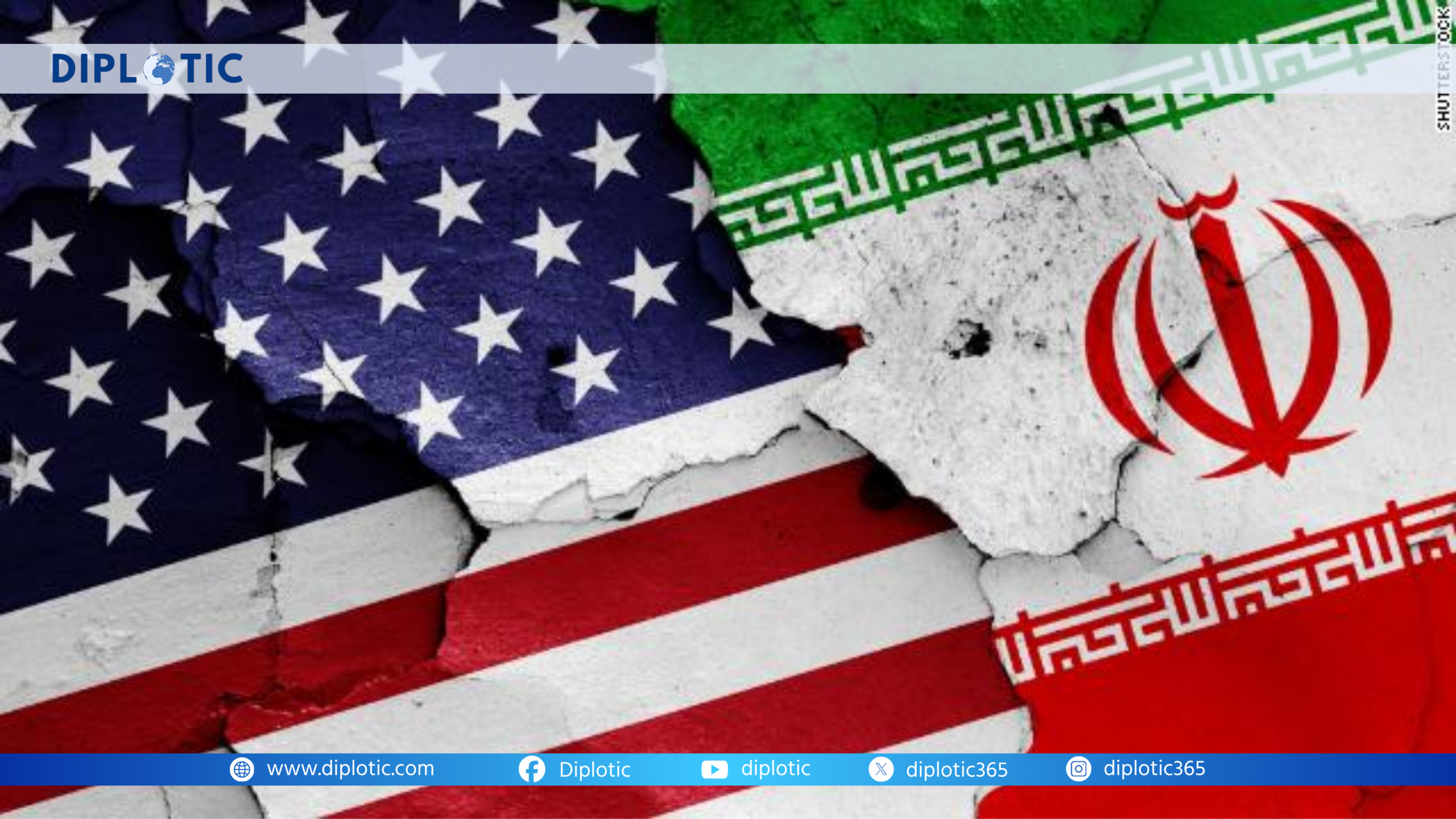
In late December 2025, Niger announced a complete and indefinite ban on issuing visas to American citizens. The move bars US nationals from entering the country and comes as a direct response to a US travel restriction signed by President Donald Trump on December 16. Niger’s government called it a matter of reciprocity and national sovereignty. The decision affects all visa types and takes effect immediately, though few Americans travel to Niger due to ongoing security warnings. This tit-for-tat action highlights growing strains between the US and parts of the Sahel region in Africa. It reflects broader shifts in alliances after military changes in power.
What Prompted the US Travel Restrictions on Niger?
President Trump expanded an existing entry ban list through a proclamation set to start on January 1, 2026. It adds Niger to countries facing full restrictions on immigrant and nonimmigrant visas. Other new full-ban nations include Burkina Faso, Mali, South Sudan, and Syria, plus travelers on Palestinian Authority documents.
The White House cited security concerns, like terrorist activity in the Sahel, kidnappings, attacks, and high visa overstay rates by some nationals. Niger faced criticism for instability after its 2023 military coup, which led to suspended US aid and diplomatic recalls.
Background shows Trump revived and grew travel bans from his first term, upheld by courts for national security reasons. Related points include partial limits on 15 more countries, like Nigeria and others in Africa and the Caribbean, for student and business visas. Why target Niger? Officials pointed to vetting issues and regional threats. The move fits a wider “America First” approach, focusing resources inward.
How Did Niger Respond and What Does It Mean?
Niger’s state press agency reported the ban on December 25, saying it “fully and permanently” stops visa issuance to US citizens. Diplomatic sources framed it as reciprocity, defending sovereignty.
The junta in power since 2023 has distanced from Western partners, expelling French forces and seeking ties elsewhere. This ban aligns with that shift, resisting perceived interference.
Parallel actions: Allies like Mali and Burkina Faso face similar US limits and have taken steps against Western presence. Related views see it as asserting independence amid sanctions. Why indefinite? To match the US full ban’s scope and send a strong signal.
What Broader Tensions Lie Behind This Exchange?
The visa clash stems from post-coup fallout. The US halted aid and pulled diplomats after the 2023 takeover, viewing it as undemocratic. Niger, with neighbors, formed a new alliance and turned to other partners for security.
Sahel instability, with groups linked to extremism, adds complexity. US concerns focus on vetting and overstays, while Niger sees restrictions as punitive.
Background includes past cooperation: Niger hosted US bases until ordered closed. Related angles: Humanitarian work and business ties suffer, though travel volumes are low. Why escalate now? Trump’s policy hardens lines, prompting mirror responses.
How Might This Affect Relations Going Forward?
Niger’s ban complicates diplomacy, limiting direct talks and aid delivery. It may push the country closer to non-Western allies.
US officials have not detailed a direct reply yet, but the pattern shows such bans aim to pressure improvements in security sharing.
Linking events: From coup to bans, ties have cooled fast. Broader implications touch regional stability—Sahel nations resist external pressure while facing internal threats. As 2026 begins, reciprocal moves highlight challenges in balancing security with sovereignty. Fair dialogue on equal terms could ease strains, but current paths suggest ongoing distance.