

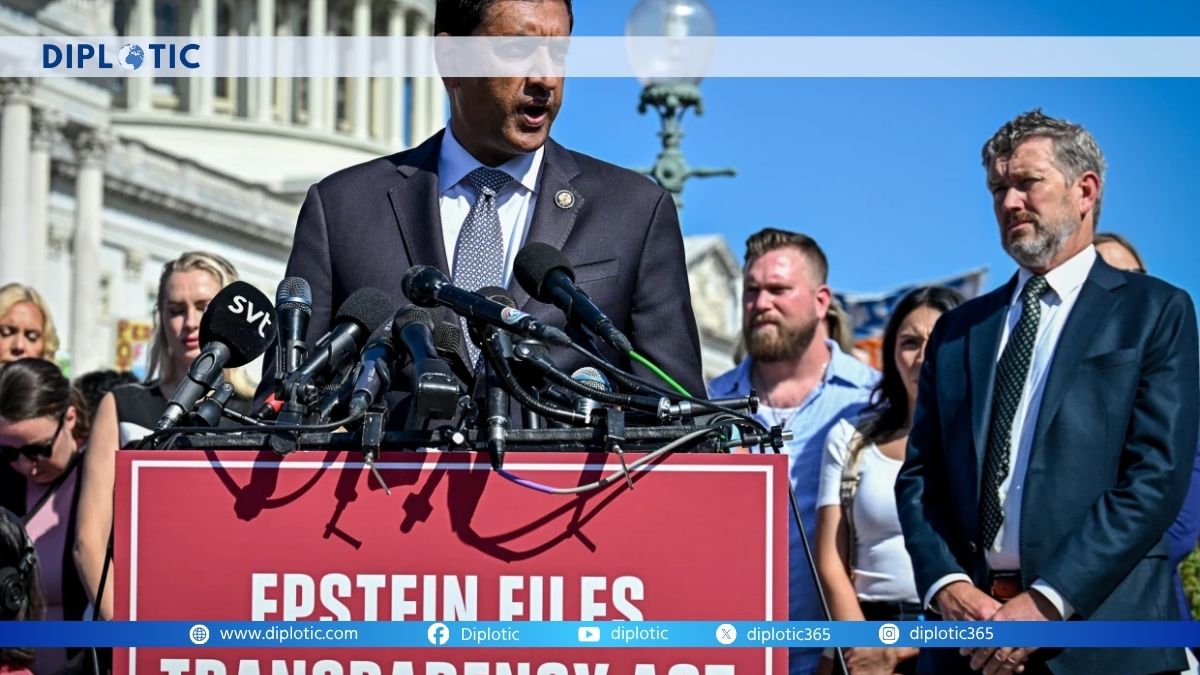
In late December 2025, the U.S. Department of Justice released another large set of documents related to the investigations into Jeffrey Epstein, the convicted sex offender who died in 2019. This batch, the most substantial yet with nearly 30,000 pages, follows earlier releases and complies with a recent law requiring public disclosure. It includes emails, photos, subpoenas, and other records, many mentioning President Donald Trump. While adding details to known associations, the files contain no new accusations of wrongdoing against him. Officials quickly labeled some claims false. This overview examines key findings, context, and ongoing questions.
Why Are Investigators’ References to Co-Conspirators Drawing Attention?
One standout element is internal communications from 2019 discussing potential co-conspirators. FBI emails from July, shortly after Epstein’s arrest, mention “10 co-conspirators” and efforts to serve subpoenas. Some names remain redacted, but others like Ghislaine Maxwell and Les Wexner appear. Follow-up messages note contacts in various states and one “wealthy businessman in Ohio.”
Background shows these discussions occurred amid active probes, with memos referenced on possible charges post-Epstein’s death. Only Epstein and Maxwell faced charges ultimately. Related views suggest redactions protect privacy or ongoing matters, but critics question why more details stay hidden. Why the focus now? The term “co-conspirators” implies broader involvement at one point, fueling calls for full memos. No new prosecutions emerged, possibly due to insufficient evidence.
How Do the Files Detail Trump’s Past Ties to Epstein?
Trump’s name appears frequently, mostly in known contexts. A 2020 prosecutor email notes flight logs showing Trump on Epstein’s jet at least eight times in the 1990s, some with Maxwell and others, including a redacted 20-year-old. A 2021 subpoena sought Mar-a-Lago records for a redacted person, likely linked to an accuser who once worked there.
Photos and tips also surface, but many are clippings or unverified. Trump has denied wrongdoing and distanced himself long ago. Parallel insights: Earlier logs confirmed some flights; no criminal links alleged. Why more mentions here? This batch shifts from prior ones heavy on others. Officials stress some tips were pre-2020 election submissions, deemed unfounded.
What Emerged About a Controversial Letter?
The release included a handwritten note signed “J. Epstein” to Larry Nassar, another convicted abuser, with crude references to shared interests and “our president.” Postmarked after Epstein’s death, it raised doubts.
DOJ soon declared it fake, citing mismatched handwriting, wrong jail details, and timing. Background: FBI analyzed it years ago. Related angles: It fits patterns of hoaxes amid high interest. Why include it? Transparency efforts caught unauthenticated items.
Why Is the DOJ Facing Criticism Over Release Handling?
Lawmakers from both parties fault the process. Releases came piecemeal past deadlines, with heavy redactions beyond victim protection—hiding officials’ names and details. Some files briefly appeared then vanished.
Critics see selective timing or over-caution. DOJ cites legal care and victim privacy. Parallel points: Law requires reports on withholdings soon. Why controversies? High stakes and past mishandlings fuel distrust.
What Broader Questions Remain from These Disclosures?
The files add context to Epstein’s network and probes but leave gaps due to redactions and no new charges. Pressure mounts for unredacted versions and explanations on stalled co-conspirator efforts.
Linking past probes to now: Epstein’s case highlighted power imbalances; releases aim at accountability. Implications: Public scrutiny continues, balancing transparency with protections. Will full details emerge? Upcoming reports may clarify, as interest persists in understanding the full scope.




