

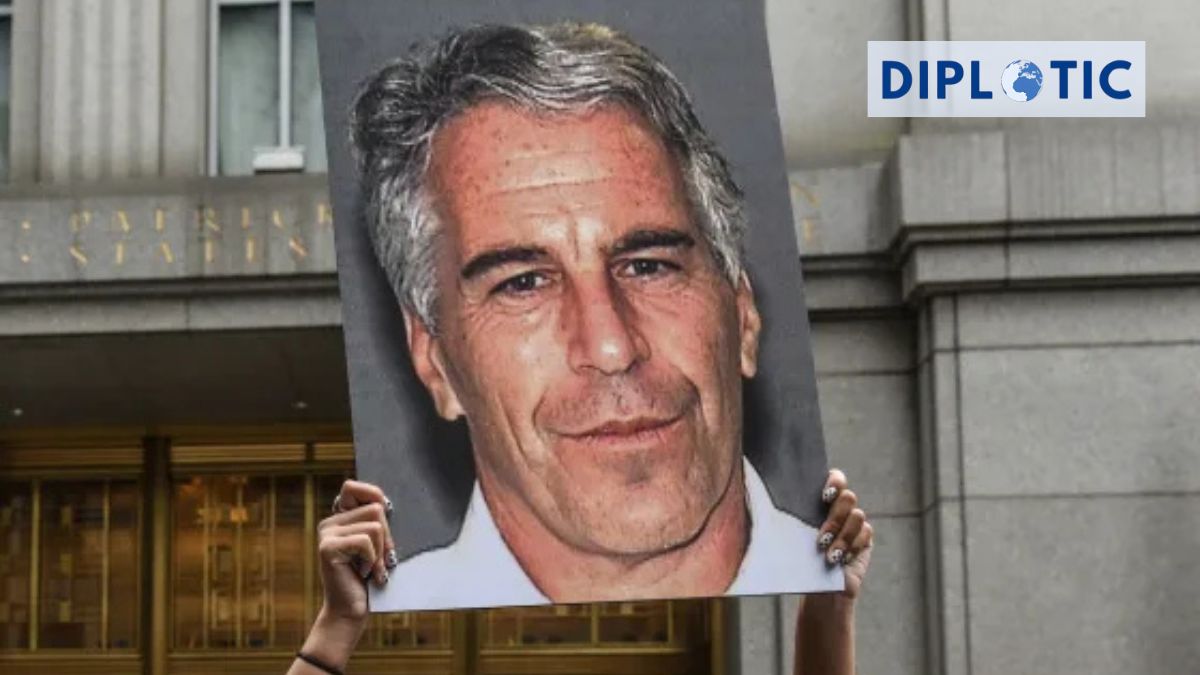
The Epstein case and the power networks surrounding it, exploring how institutional failures and elite protection allowed abuse to continue for years and what new disclosures may mean for accountability.
A case that refuses to disappear
Few criminal cases have left as many unanswered questions as the story of Jeffrey Epstein. Years after his 2019 death in federal custody, new document releases and court filings continue to raise doubts about how one man built a network of influence that crossed politics, finance, academia, and global diplomacy. Even now, investigators, journalists, and legal experts still ask how Epstein managed to operate for so long and why institutions that should have protected vulnerable people repeatedly failed.
The case endures because it exposes more than a single criminal. It reveals a system shaped by privilege, access, and unequal treatment under the law. Epstein’s wealth and connections did not form overnight. They were built over decades through strategic friendships, shared interests, and the willingness of powerful individuals to look away. Each new release of court documents adds new fragments of information that deepen public scrutiny.
At its core, the Epstein story is about how systems break down when elite networks become too tightly woven to challenge. It highlights how a small group of influential figures can hold outsized power over decisions, investigations, and narratives. That is why the case continues to draw global attention. It represents a test of transparency: whether the truth can emerge when it involves people with the resources to hide it.
How the network grew behind closed doors
Understanding Epstein’s rise requires looking past sensational headlines and focusing on the structure that enabled him. Epstein was not known for groundbreaking achievements, nor did he follow a typical path to influence. Instead, he built an identity anchored in social access. He entered wealthy circles in New York during the 1980s, later expanding into political and scientific communities.
The crucial element was not his personal success but the doors opened by association. Epstein positioned himself as a donor, a connector, and a facilitator. These roles earned him invitations to private events, meetings with public figures, and opportunities to manage money for high-net-worth clients. At the same time, his private activities went largely unchecked because very few people questioned the legitimacy of his wealth or his methods.
When allegations first surfaced in the mid-2000s, Epstein responded with aggressive legal strategies, public relations campaigns, and well-connected advisers. The now-infamous 2008 non-prosecution agreement, which allowed him to avoid significant prison time, revealed how powerful individuals can shape outcomes behind the scenes. Authorities later described the case as an example of how victims can be sidelined while defendants with resources receive extraordinary consideration.
This pattern continued into the 2010s. Even after renewed investigations, Epstein maintained access to elite circles. The real question is not only how he operated, but why so few institutions detected the red flags earlier. The answer lies in the structure of influence: when someone becomes a gateway to social or financial advantage, oversight weakens. In Epstein’s world, personal benefit often outweighed ethical responsibility.
New disclosures and the search for transparency
Recent releases of court records and case documents revived interest in the Epstein network, though many names and details remain sealed due to legal standards. While the documents do not prove wrongdoing by everyone mentioned, they provide insight into who interacted with Epstein, visited his homes, flew on his planes, or maintained professional or social ties.
These disclosures matter because they challenge the idea that Epstein was an isolated figure. Instead, he formed relationships across political parties, industries, and academic institutions. Many of these contacts now face questions about what they knew, how they met him, and whether they ignored warning signs. The public is not only searching for names—it is searching for patterns.
Transparency experts argue that releasing relevant information is essential for restoring trust. When cases involve wealthy or famous individuals, secrecy often leads to assumptions of protection. Without full disclosure, the public cannot assess whether justice has been applied equally.
However, legal boundaries still matter. Not all names in documents are tied to criminal activity, and due process must be respected. The challenge is balancing transparency with fairness. That balance becomes more complex when the central figure can no longer testify and when key witnesses remain reluctant to speak publicly.
Still, each new wave of files adds pressure to re-examine institutional failures: the role of prosecutors, the influence of high-profile lawyers, and the decisions made by officials who allowed Epstein to operate freely for so long. The documents raise a fundamental question about how power protects itself.
What the case reveals about the system
The Epstein case is no longer just about one man. It has become a lens for looking at structural corruption, weak accountability, and the vulnerabilities of legal systems when wealth intersects with political influence.
One lesson is clear: institutions do not always function as intended. Prosecutorial decisions can be shaped by external pressure. Internal oversight may be slow or ineffective. Social circles can shield individuals from consequences.
Another lesson is that public attention makes a difference. Renewed interest after 2018 led to reopened investigations, new arrests, and increased visibility for survivors. It showed how journalism, legal action, and public demand for accountability can challenge even the most powerful networks.
Today, the unanswered questions remain substantial. Who enabled Epstein? Who benefited from his connections? And how can similar failures be prevented in the future? These questions will define the next stage of reporting and investigation.
The broader implication is that systems only improve when failures are acknowledged. Epstein’s story shows how easily exploitation can hide behind wealth and prestige. It also shows that even when a central figure is gone, the truth continues to unfold. The search for accountability is far from finished, and its outcome will shape public trust for years to come.




