

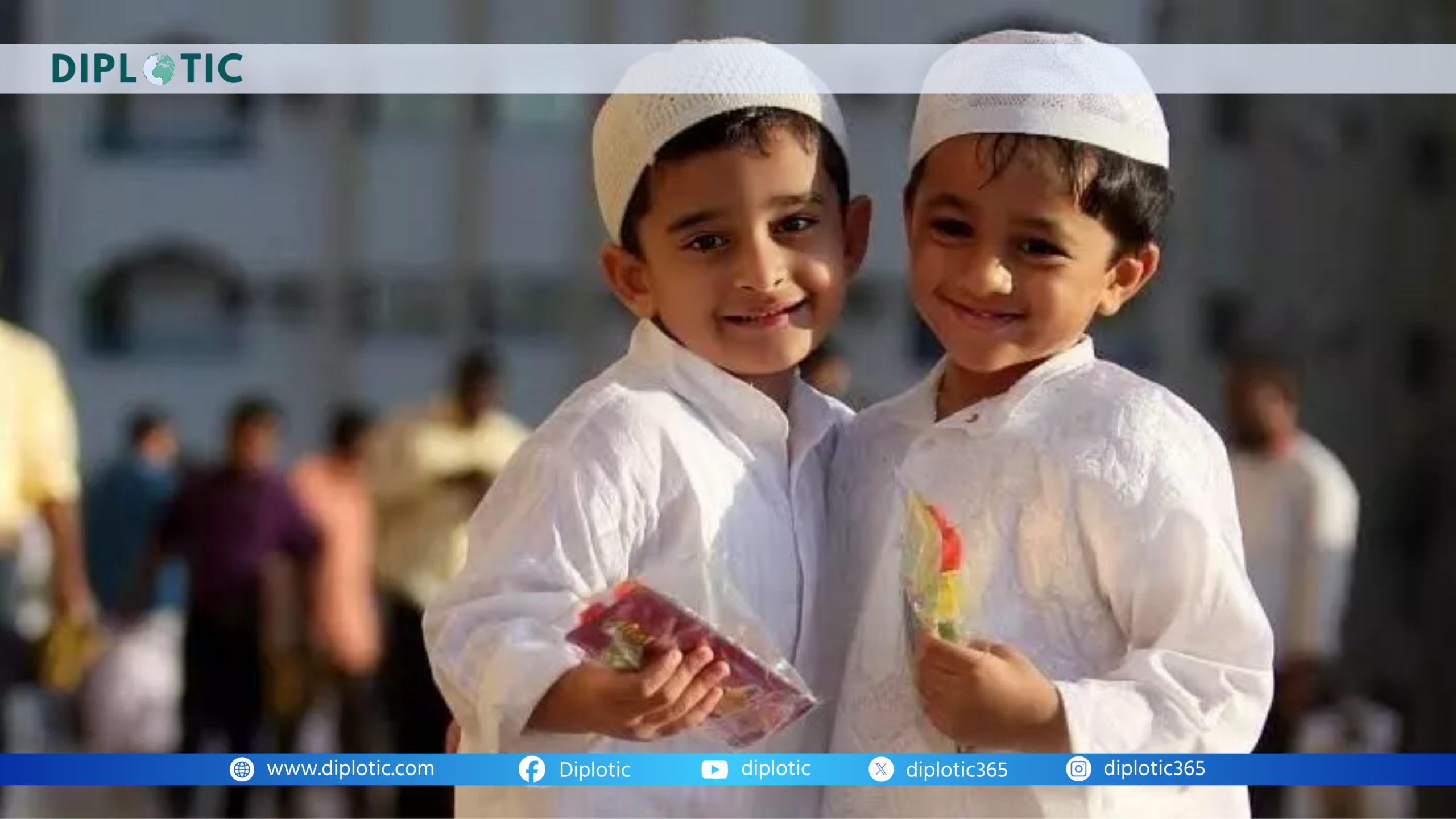
Eid brings joy and togetherness to more than one billion Muslims around the world. There are two main Eids each year. Eid-ul-Fitr marks the end of Ramadan, the month of fasting. Eid-ul-Adha links to the Hajj pilgrimage in Mecca. Families gather, share meals, pray, and give to those in need. Yet in many places, not everyone celebrates on the same day. Some mark Eid on a Sunday while others wait until Monday. This happens even within one city or country. The reason lies in how the start of each Islamic month is decided. It depends on seeing the new crescent moon, but people follow different rules and sources. These differences come from tradition, science, and local needs. They show both the beauty of a shared faith and the challenges of applying ancient practices in a modern, connected world.
How does the lunar calendar create shifts in Eid dates year after year?
Islam uses a lunar calendar based on the moon’s phases rather than the sun. The Gregorian calendar most of the world follows is solar, so its dates stay fixed to seasons. The Islamic calendar has 12 months that add up to about 354 days, shorter than the 365-day solar year. As a result, each Islamic date moves forward by 10 to 12 days on the solar calendar every year. This is why Ramadan and the Eids shift earlier over time. In one year, Eid-ul-Fitr might fall in spring, then move to winter a few years later.
Eid-ul-Fitr always begins on the first day of Shawwal, the month right after Ramadan. Eid-ul-Adha falls on the 10th day of Dhul-Hijjah, the final month. To know when these months start, Muslims look for the new crescent moon. This thin sliver appears shortly after the new moon, when the moon is invisible. The sighting confirms the new month has begun. Without a confirmed sighting, the current month continues one more day. This simple rule, rooted in the time of Prophet Muhammad, keeps the calendar tied to nature. It also means small differences in when or how the moon is seen can lead to a one-day gap. Over centuries, this system has worked well in communities that shared the same sky and methods. Today, with Muslims spread across time zones and climates, the same rule creates variety.
What different methods do people use to decide the start of the new month?
The core practice is to sight the crescent moon with the naked eye. Many scholars hold that this follows the Prophet’s example and keeps decisions grounded in direct observation. Yet views differ on where the sighting must happen and who can declare it valid.
One approach is local moon sighting. Each country or community relies on reports from its own area. If clouds block the view or no one sees the crescent, the month extends by a day. Groups like Moonsighting Australia follow this. They wait for local confirmation before announcing Eid. This method respects the sky above one’s own home and avoids depending on distant places.
Another view accepts a global sighting. If the moon is seen anywhere in the world, the new month begins for everyone. Many Muslims follow Saudi Arabia’s announcement, since the country hosts Mecca and its religious authorities declare dates based on sightings there. In places like Australia, some communities choose this path even if the moon is not visible locally. They see unity across the Muslim world as more important.
A third method uses astronomy. Countries like Turkey and some groups in Europe predict the moon’s birth with calculations. They figure out when the crescent will appear based on science, without needing to see it. This allows setting dates months or years ahead. It removes uncertainty from weather or human error. Critics say it moves away from the traditional eye sighting, while supporters argue it is more reliable in modern times.
These methods lead to real differences. In a multicultural country, one mosque might follow local sighting, another follows Saudi Arabia, and a third uses calculations. Families from different backgrounds often choose what matches their tradition or trusted leaders.
How do majority-Muslim countries handle Eid dates compared to places like Australia?
In countries where most people are Muslim, the government often takes charge. Saudi Arabia’s Supreme Court collects moon sighting reports and makes an official announcement. This sets the date for the whole nation. Public holidays, prayers, and celebrations align. Similar systems exist in Pakistan, Indonesia, Malaysia, and others. A single decision brings unity and avoids confusion.
In minority settings like Australia, the picture is more varied. Muslims come from many cultures—Arab, Turkish, African, South Asian, and more. Each group may prefer its own method or follow authorities from back home. A 2023 survey by ISRA Academy asked over 5,500 Australian Muslims how they chose Eid dates. Results showed clear patterns by community. Arab respondents split between local mosques, the Australian National Imams Council, and Moonsighting Australia. Turkish Muslims often followed Turkey’s Diyanet institution through local mosques. African communities leaned heavily toward Moonsighting Australia.
These choices reflect identity and trust. Newer arrivals might stick to their country of origin. Longer-settled families turn to local bodies. Over time, more people follow Australian groups, suggesting a move toward local decisions. Third- and fourth-generation Muslims, less tied to ancestral lands, may push this trend further.
What does this variety mean for Muslim communities and the future of Eid?
Different Eid dates can feel challenging. Families may miss gathering if cousins celebrate on separate days. Communities sometimes hold multiple prayers or events. Yet there are upsides. The variety shows active engagement. People research, discuss, and choose based on knowledge rather than habit. It builds trust in local leaders and institutions.
The trend in places like Australia points toward more unified local sightings. As communities grow roots, shared methods may emerge. At the same time, global connections keep Saudi or other announcements influential. Technology helps too—apps, live streams, and online reports make information easier to share.
In the end, these differences do not weaken the meaning of Eid. They highlight a faith that adapts while staying true to its roots. Whether decided by eye, calculation, local report, or global word, the goal remains the same: to welcome a new month with gratitude, prayer, and joy. As Muslims navigate tradition and modern life, the moon’s quiet appearance continues to guide them—sometimes on the same day, sometimes not, but always toward celebration and community.




